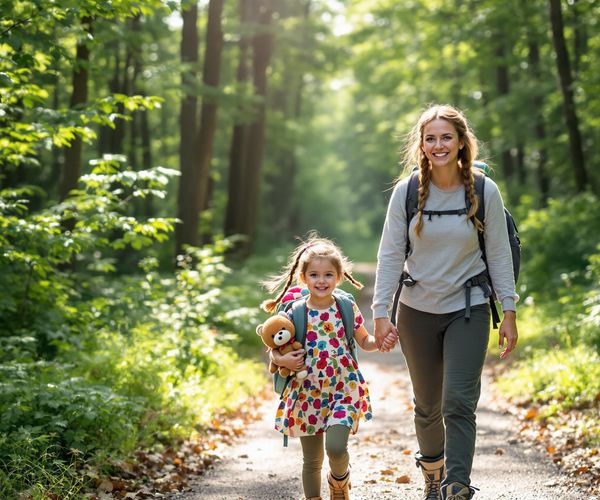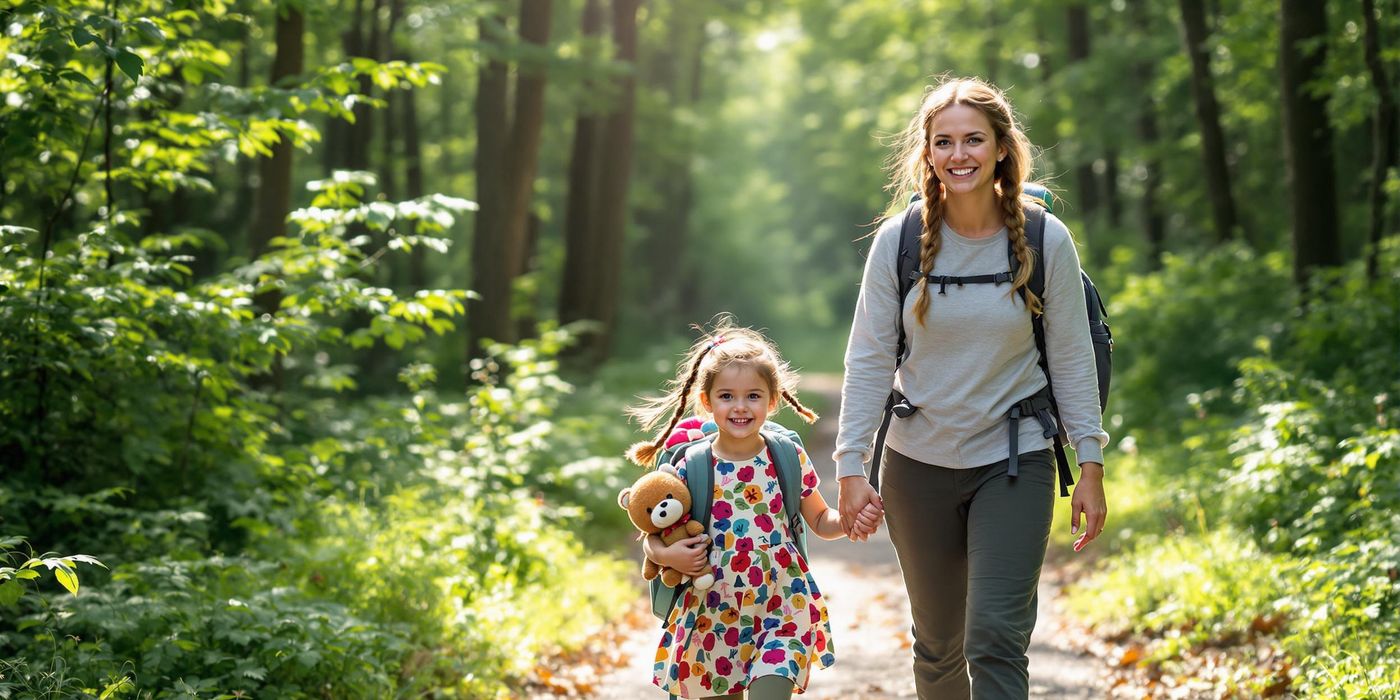
As a librarian, I spend a lot of time surrounded by books, but nothing beats escaping into the real-life stories written by nature itself. Here in Heidelberg, our family loves exploring the Odenwald forest. Hiking with my daughter Linnea has taught me so much about what makes a trail truly family-friendly. It's not just about the destination, but the journey – and how to make it enjoyable and safe for everyone involved. So, lace up those boots, and let's explore some tips for creating unforgettable hiking experiences with your little ones!
Choosing the Right Trail for Your Family
Selecting the perfect trail is the first step to a successful family hike. I've learned from experience that what works for adults might not always be ideal for children. When Linnea and I venture into the Odenwald, I always keep a few key factors in mind.
- Difficulty level: Opt for easy or moderate trails with gentle slopes and well-defined paths. Remember, the goal is to enjoy the experience, not to push anyone to their limits. Look for trails marked as “easy” or “family-friendly” on local maps or hiking websites.
- Distance: Choose shorter trails, especially if you're hiking with young children. A 1-3 mile hike is a great starting point. You can always increase the distance as your family's stamina improves.
- Elevation: Be mindful of the trail's elevation gain. Steep inclines can be tiring for little legs. Check the trail profile on hiking apps or websites to get an idea of the elevation changes.
- Terrain: Consider the type of terrain. Sandy or rugged trails can be more challenging. Look for trails with smooth, even surfaces that are easy to navigate.
- Amenities: Trails with picnic areas and restrooms are a definite plus, especially when hiking with kids. These amenities can make the experience more comfortable and convenient.
Essential Gear and Packing List
Packing the right gear is crucial for a safe and enjoyable hike. Over the years, I've refined our family's packing list to ensure we're prepared for anything the trail might throw our way.
- Comfortable hiking shoes or waterproof boots with good traction: Proper footwear is essential for preventing blisters and slips. Make sure everyone's shoes fit well and are broken in before the hike.
- Weather-appropriate clothing: Layers are key! Pack clothing that can be easily added or removed to adjust to changing weather conditions. Don't forget rain gear, hats, and sunglasses.
- Backpacks: Choose the right size and weight for each family member. Kids should carry their own small backpacks, but the weight should be no more than 15% of their body weight. This teaches them responsibility without overburdening them.
- Essentials to pack: Water, snacks, a first-aid kit, a map, sunscreen, and bug spray are must-haves. Pack plenty of water to stay hydrated and choose nutritious snacks to keep energy levels up.
- Extra clothing: Socks and gloves can make a big difference if the weather turns chilly. Consider hand warmers for extra warmth in colder months.
Safety First: Keeping Everyone Safe on the Trail
Safety is always our top priority when hiking with Linnea. Before we even leave home, I take several precautions to ensure a safe and worry-free adventure.
- Check the weather forecast before heading out: Avoid hiking in severe weather conditions. Be aware of potential hazards like thunderstorms or extreme heat.
- Inform someone of your hiking plans and expected return time: This is crucial in case of emergencies. Let a friend or family member know where you're going and when you expect to be back.
- Stay on marked trails and avoid shortcuts: Wandering off the trail can lead to getting lost or encountering dangerous terrain. Stick to designated paths and heed warning signs.
- Set clear boundaries and expectations with kids: Before the hike, discuss rules and boundaries with your children. Make sure they understand the importance of staying close and following instructions.
- Teach children what to do if they get lost (STOP: Stop, Think, Observe, Plan): This simple acronym can help children remember what to do if they become separated from the group. Practice this scenario with them before the hike.
- Carry a whistle for emergencies: A whistle can be used to signal for help if someone gets injured or lost. Teach children how to use it and when it's appropriate to do so.
- Dress children in bright clothing: Brightly colored clothing makes it easier to spot children in wooded areas.
Making Hiking Fun for Kids: Engaging Activities
Keeping kids entertained on the trail is essential for preventing boredom and meltdowns. I've found that incorporating fun activities can transform a simple hike into an exciting adventure.
- Turn the hike into a scavenger hunt or nature bingo: Create a list of items for kids to find along the trail, such as a specific type of leaf, a feather, or a smooth stone. Nature bingo cards can also be a fun way to engage their observation skills.
- Play 'I Spy' or other trail games: These classic games are a great way to pass the time and encourage kids to pay attention to their surroundings.
- Sing songs and make up stories: Let your imagination run wild! Sing familiar songs or create silly stories inspired by the scenery around you.
- Take photos and identify plants and animals: Bring a camera or use your phone to capture interesting sights along the trail. Use a field guide or a plant identification app to learn about the local flora and fauna.
- Let kids carry small toys or hiking sticks: A favorite toy or a sturdy hiking stick can provide comfort and entertainment for little ones.
- Incorporate educational elements by discussing local flora, fauna, and history: Turn the hike into a learning experience by sharing interesting facts about the local environment and history. This can spark curiosity and foster a deeper appreciation for nature.
Hiking Etiquette and Environmental Stewardship
Teaching children to respect nature is an important part of our family's hiking adventures. We believe in leaving no trace and preserving the environment for future generations.
- Teach children not to disturb wildlife or plants: Explain the importance of observing wildlife from a distance and not picking flowers or damaging plants.
- Pack out all trash and encourage others to do the same: Bring a trash bag and make sure to pack out everything you pack in. If you see trash left by others, pick it up as well.
- Stay on the trail to avoid damaging fragile ecosystems: Walking off the trail can damage delicate vegetation and disrupt wildlife habitats. Stick to designated paths to minimize your impact.
Tips for planning family-friendly hiking trips that cater to all ages, ensuring fun and safety. Discover how to select trails, pack essentials, and keep kids engaged.