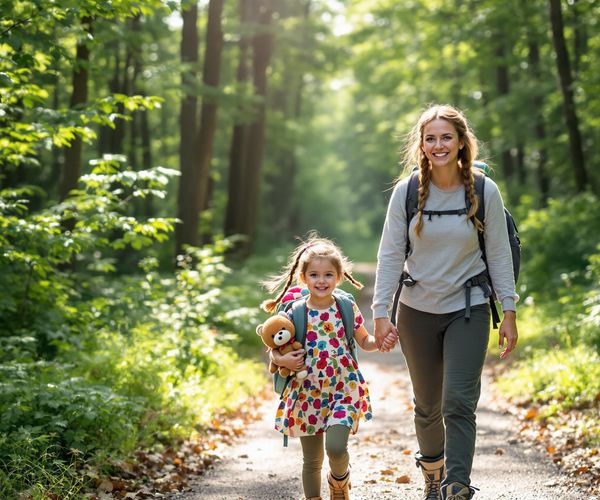
As a librarian at Heidelberg University and a mother, I've always felt a deep connection to both knowledge and the world around us. My upbringing in Sweden instilled in me a love for nature and a desire to protect it. Now, living in Germany with my husband Maximilian and our daughter Linnea, I strive to pass on these values through our family travels. This isn't just about seeing new places; it's about exploring them responsibly, ensuring our adventures leave a positive impact.
Embracing Sustainable Travel: A Family Affair
What does sustainable travel really mean, especially when you're traveling with little ones? For me, it's about making conscious choices that minimize our environmental footprint and support the communities we visit. It’s about showing Linnea, from a young age, that travel can be a force for good.
It's a balancing act, of course. We want to enjoy our vacations, experience new cultures, and create lasting memories. But we also want to be mindful of the impact we have. This means considering everything from how we get there to where we stay and what we do.
Why is it important to instill these values in children? Because they are the future stewards of our planet. By showing them how to travel sustainably, we're empowering them to make responsible choices throughout their lives. It's an investment in a better world for them and for generations to come.
Reducing Your Carbon Footprint: Transportation Tips for Families
Transportation is a major contributor to carbon emissions, so choosing eco-friendly options is crucial. When traveling within Europe, we often opt for trains. Germany's Deutsche Bahn is fantastic, and train travel is a wonderful way to see the countryside. The views are beautiful, and Linnea loves having the space to move around.
Buses are another great option, especially for longer distances. They're often more affordable than trains and offer a more sustainable alternative to flying. Car sharing is also becoming increasingly popular, and it's a great way to reduce your impact if you need a car at your destination.
Of course, sometimes flying is unavoidable. When we do fly, we try to choose direct flights whenever possible. Direct flights use less fuel than connecting flights, reducing our carbon footprint. We also participate in carbon offset programs. These programs invest in projects that reduce carbon emissions, such as renewable energy or reforestation.
Once we arrive at our destination, we rely on public transport as much as possible. Many cities have excellent bus and tram systems. Walking and cycling are also fantastic ways to explore a new place and get some exercise. In Heidelberg, we love cycling along the Neckar River!
Eco-Friendly Accommodation: Choosing Green Hotels and Lodges
Where we stay also has a significant impact. Look for accommodations with eco-certifications, such as the Green Key or the EU Ecolabel. These certifications indicate that the hotel or lodge has met certain environmental standards.
We once stayed at a wonderful eco-lodge in the Black Forest. They used renewable energy, had a comprehensive waste reduction program, and sourced their food locally. It was inspiring to see their commitment to sustainability.
Supporting locally-owned accommodations and guesthouses is another great way to travel sustainably. These businesses often have a smaller environmental footprint and contribute directly to the local economy.
Packing Light and Smart: Minimizing Waste on the Go
Packing light not only makes travel easier, but it also reduces fuel consumption. The lighter the plane, the less fuel it needs. Think carefully about what you really need to bring and leave unnecessary items at home.
We've also switched to eco-friendly travel products. Bamboo toothbrushes, solid shampoo bars, and reusable containers are all great alternatives to disposable items. I'm a big fan of Hydro Flask water bottles and Stasher bags for snacks.
Reducing single-use plastics is a constant goal. We always pack reusable water bottles, shopping bags, and utensils. It takes a little planning, but it makes a big difference.
Supporting Local Communities: Immersing in Culture Responsibly
One of the best parts of traveling is experiencing new cultures. But it's important to do so responsibly, supporting local economies and respecting local traditions. Shopping at local markets and dining at family-owned restaurants is a great way to give back to the community.
In Heidelberg, we love visiting the Wochenmarkt (farmers market) on Saturdays. It's a vibrant and bustling place, filled with local produce, cheeses, and breads. We always buy something to take home.
We also try to engage with local artisans and cultural events. Last summer, we attended a traditional German folk festival in a nearby village. It was a wonderful experience, and Linnea loved the music and dancing.
Booking tours led by local guides is another great way to support the community. They can offer insights into the local culture and history that you wouldn't get otherwise. Participating in community-based tourism activities, such as volunteering at a local school or helping with a conservation project, is also a rewarding experience.
Engaging in Eco-Friendly Activities: Nature and Wildlife Conservation
Nature-based activities are a fantastic way to connect with the environment and promote environmental awareness. Hiking, camping, and wildlife tours can all be done sustainably.
We recently participated in a clean-up event in the Odenwald forest. It was a great way to give back to the community and teach Linnea about the importance of protecting our natural spaces.
When observing wildlife, it's crucial to respect their natural habitats and avoid disturbing them. Keep a safe distance, don't feed the animals, and dispose of your waste properly.
Sustainable Eating: Choosing Local and Seasonal Food
Food production has a significant impact on the environment. Eating at local restaurants that source ingredients from local farms is a great way to reduce your footprint.
We also try to reduce food waste while traveling. Packing snacks in reusable containers and ordering appropriate portion sizes can help. It's also important to be mindful of the environmental costs associated with importing food. Choosing local and seasonal options is always the best choice.
Explore practical tips for traveling sustainably with your family, ensuring your adventures leave a positive impact on the environment and local communities.