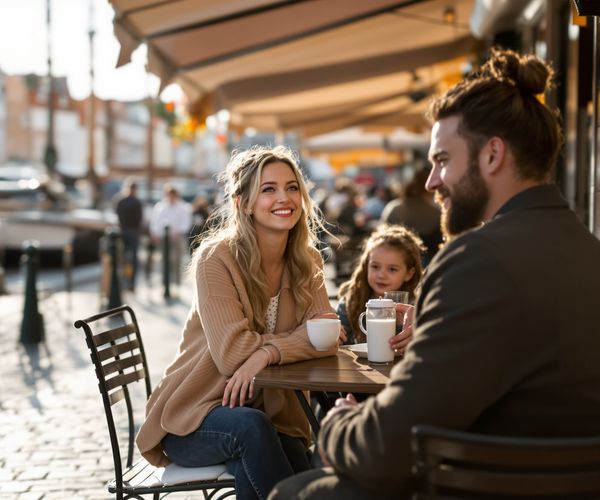
Heidelberg, with its charming cobblestone streets and the majestic castle overlooking the Neckar River, often feels like a place where time slows down. It’s a feeling I cherish, and it’s a feeling I try to replicate in my travels. For me, travel isn't about ticking off destinations on a list; it's about immersing myself in the local culture, connecting with the people, and savoring every moment. It's about embracing the art of slow travel.
Slowing Down to See More: What Slow Travel Means to Me
Slow travel, at its heart, is about quality over quantity. It's about choosing depth over breadth, connection over checklists. It's a conscious decision to trade the frantic pace of modern tourism for a more mindful and enriching experience. It's not just a way to travel; it's a way to be.
I remember a trip to the Swedish archipelago a few years ago. We decided to explore a single island, Grinda, instead of trying to hop between several. We rented a small cottage, spent our days hiking through the forests, swimming in the Baltic Sea, and chatting with the locals at the island's only bakery. We discovered hidden coves, learned about the island's history, and even tried our hand at traditional Swedish fishing. The joy wasn't in seeing a dozen different sights, but in truly experiencing one place. We weren't rushing; we were simply present.
Contrast this with a trip I took in my early twenties, backpacking through Europe. I was determined to see as many cities as possible in a limited amount of time. I rushed from museum to monument, barely stopping to breathe. I saw a lot, but I experienced very little. The memories are a blur of train stations and crowded tourist attractions. That trip taught me a valuable lesson: travel isn't about how much you see, but how deeply you connect.
Slow travel is a mindset. It's about being present in the moment, appreciating the simple things, and embracing the unexpected. It’s about allowing yourself to be surprised, to wander off the beaten path, and to truly connect with the world around you.
The Benefits of Taking Your Time: Why Slow Travel Matters
The benefits of slow travel are numerous and profound. For me, the most significant is the enhanced cultural immersion. When you slow down, you have the opportunity to truly connect with the local culture. You can spend time talking to the people, learning about their traditions, and experiencing their way of life. This is something that's simply not possible when you're rushing from one tourist attraction to another.
Slow travel is also incredibly relaxing. When you're not constantly on the go, you can actually enjoy your vacation. You have time to savor the food, appreciate the scenery, and simply relax. This can be especially beneficial for families, as it reduces stress and allows for a more enjoyable experience for everyone.
Speaking of families, slow travel can also create deeper connections with your travel companions. When you're not constantly rushing, you have more time to talk, laugh, and share experiences. This can be especially valuable for families with children, as it allows them to bond and create lasting memories together.
Finally, slow travel is also more sustainable. When you travel slowly, you're more likely to use local transportation, support local businesses, and be mindful of your impact on the environment. This is a way to travel that is both enriching and responsible.
Slow Travel with Little Ones: Making it Work for Families
I know what you're thinking: slow travel sounds lovely, but is it even possible with children? Traveling with kids can be challenging, but I believe that slow travel can actually alleviate some of the stress. The key is to plan your itinerary carefully, catering to your children's needs and interests, and incorporating plenty of downtime and flexibility.
When planning a slow travel itinerary with children, it's important to choose destinations that offer a variety of activities. Look for places with parks, museums, and cultural attractions that will appeal to kids. It's also important to factor in plenty of time for relaxation and play. Don't try to cram too much into each day; instead, focus on quality over quantity.
One of the greatest benefits of slow travel for children is the educational opportunities it provides. When you travel slowly, your children have the chance to learn about different cultures, languages, and ways of life. They can develop a sense of curiosity and empathy that will stay with them for the rest of their lives.
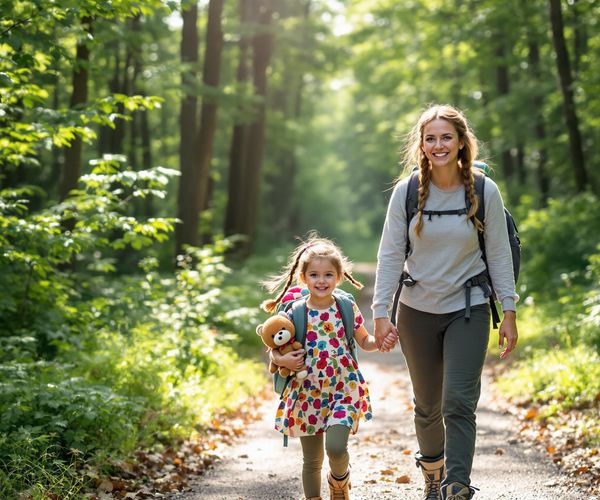
I remember a trip we took to the Black Forest with Linnea when she was four. We stayed in a small farmhouse, spent our days hiking in the woods, and visited local farms. Linnea loved learning about the animals, picking berries, and making bread. She still talks about that trip, and I know it had a profound impact on her development. She learned about nature, about food, and about the importance of community. More importantly, we created memories that we all cherish.
Embracing Cultural Immersion: Connecting with Local Life
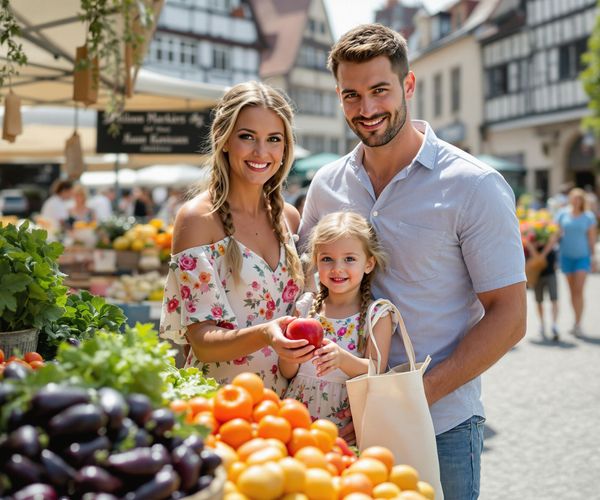
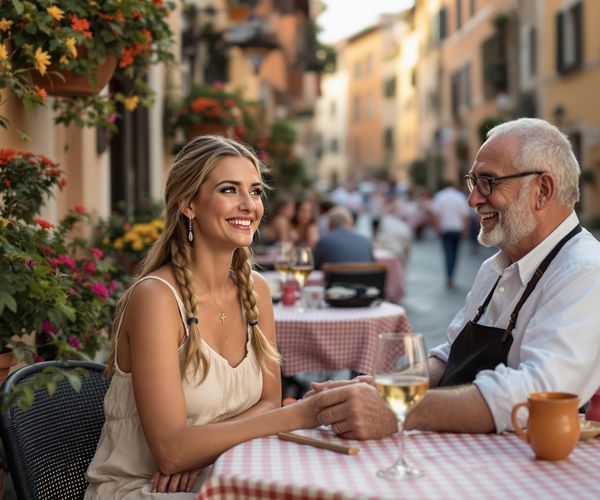
Cultural immersion is at the heart of slow travel. It's about going beyond the tourist attractions and truly connecting with the local culture. This can involve taking cooking classes, visiting local markets, attending cultural events, or simply striking up conversations with the people you meet along the way. These experiences enrich your travels in ways you can't imagine.
I'll never forget the time I took a cooking class in Tuscany. I learned how to make traditional pasta from scratch, using fresh, local ingredients. The experience was not only fun but also gave me a deeper appreciation for Italian culture and cuisine. I still make that pasta at home, and every time I do, I'm transported back to that sunny kitchen in Tuscany.
One of the best ways to connect with locals is to learn a few basic phrases in their language. Even a simple hello or thank you can go a long way in building rapport and showing respect. Locals are often more willing to open up to you if you make an effort to speak their language.
These small moments of connection are what make travel so meaningful. They remind us that we're all part of a global community and that we have more in common than we think.
Sustainable Steps: Traveling Responsibly and Respectfully
Slow travel naturally aligns with the principles of sustainable travel. By slowing down, we can reduce our environmental impact and support local communities. This means choosing eco-friendly accommodations, using public transportation, eating local food, and being mindful of our consumption habits.
When choosing accommodations, look for hotels or guesthouses that are committed to sustainability. These establishments often use renewable energy, conserve water, and recycle waste. They may also support local charities and initiatives.
Whenever possible, use public transportation instead of renting a car. This not only reduces your carbon footprint but also gives you a chance to experience the local culture. You can take buses, trains, trams, or even ferries to get around. It's a great way to see the country and meet new people.
I always try to pack light, bringing only what I need. This reduces the weight of my luggage, which in turn reduces the amount of fuel needed to transport it. I also bring my own reusable water bottle and shopping bag to avoid using disposable plastic. These small changes can make a big difference.
Traveling slowly is about more than just seeing the world; it's about respecting it. It's about being mindful of our impact on the environment and local communities. It's about traveling in a way that is both enriching and responsible.
Discover the joys of slow travel with Astrid as she shares personal anecdotes and tips for meaningful cultural immersion and sustainable practices.