Traveling with kids can feel like a Herculean task, but it doesn't have to be! As a librarian and a mom to the spirited Linnea, I've learned that with a little planning and a dash of flexibility, family trips can be incredibly enriching and fun for everyone. Join me as I share some personal tips and tricks I’ve picked up along the way to keep the adventure alive.
The Pre-Trip Excitement: Involving Kids in the Planning
One of the best ways to kick off a fantastic family adventure is by involving your children in the planning process right from the start. Even at a young age, kids can contribute meaningfully, which not only builds excitement but also gives them a sense of ownership over the trip. With Linnea, we started involving her in travel decisions since she was about three years old.
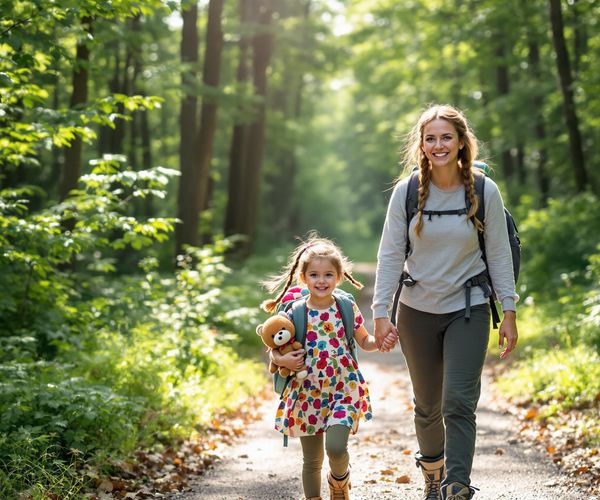
Age-appropriate tasks can include choosing destinations based on picture books or videos, selecting activities that sound appealing, or even helping to pack their own small backpacks. For our trip to the Black Forest last summer, Linnea helped choose which hiking trails we’d explore by looking at pictures of the different routes. Her enthusiasm was contagious! She also got to pick out a new water bottle and a small toy to bring along in her backpack, which made her feel like a true adventurer.
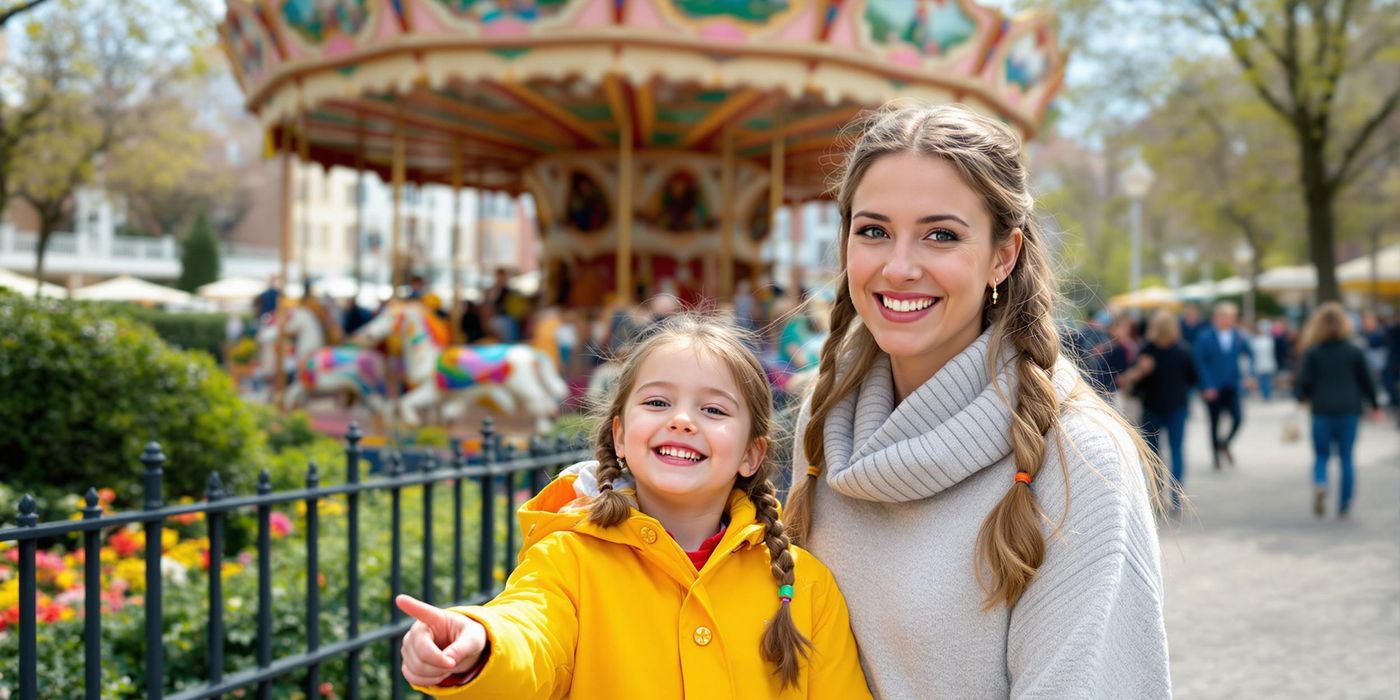
I remember one time when we were planning a trip to Copenhagen. I showed Linnea pictures of the Little Mermaid statue and Tivoli Gardens. She was so captivated by Tivoli that she insisted we spend an entire day there! While I had initially planned a more museum-focused itinerary, seeing her excitement and joy at the amusement park was worth every moment. Her input truly shaped our trip for the better, and we discovered hidden gems we might have otherwise missed. Involving her turned a potentially stressful planning process into a fun, collaborative experience.
Packing Smart: Minimizing Stress and Maximizing Fun
Packing for a family trip can be daunting, but with a few smart strategies, you can minimize stress and maximize the fun. Over the years, I’ve developed a system that works wonders for our family. The key is to be organized and efficient.
First and foremost, create checklists! I have a master checklist on my computer that I adapt for each trip. This ensures that we don't forget any essentials. Packing cubes are another game-changer. They help to keep everything organized and compressed, saving valuable space in your suitcase. I use different colored cubes for different categories of clothing (e.g., shirts, pants, underwear) and for each family member.
Choosing versatile clothing items is also crucial. Opt for clothes that can be mixed and matched to create multiple outfits. This reduces the amount of clothing you need to pack. Don’t forget to pack essential comfort items, such as a favorite blanket or toy. These can provide a sense of security and familiarity in new environments. Linnea always brings her little stuffed bear, Barnaby, on every trip. It helps her feel safe and secure, especially during long flights or car rides.
Packing for a city break is different from packing for an outdoor adventure. For city trips, I focus on comfortable walking shoes and stylish, weather-appropriate clothing. For outdoor adventures, I prioritize layers, waterproof gear, and sturdy hiking boots. When we went to the Alps last winter, I made sure to pack plenty of warm layers, including thermal underwear, fleece jackets, and waterproof outerwear. Having the right gear made all the difference in our enjoyment of the trip.
Engaging Activities: Turning Travel into a Learning Experience
Travel offers incredible opportunities for learning and growth, especially for children. With a little creativity, you can turn every trip into a fun and educational experience. One of my favorite ways to keep Linnea entertained during long journeys is with travel-themed games.
Before our road trip across Germany, I created a scavenger hunt with clues related to landmarks and attractions we would pass along the way. This kept her engaged and excited about the journey. Storytelling is another fantastic activity. We often make up stories together, taking turns adding sentences or paragraphs. This not only sparks creativity but also helps to pass the time.
Incorporating educational activities into your itinerary can also be incredibly rewarding. Visiting museums, historical sites, or nature reserves can provide valuable learning experiences. When we visited Rome, we made sure to visit the Colosseum and the Roman Forum. Before the trip, we read books about ancient Rome together, so Linnea had some context for what she was seeing. We also hired a local guide who was great at engaging kids, making the experience even more memorable.
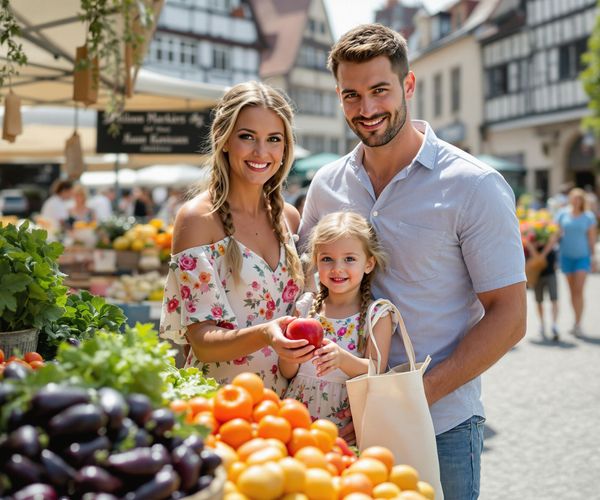
Learning basic phrases in the local language is another fun and educational activity. Before our trip to France, Linnea and I learned how to say “hello,” “thank you,” and “please” in French. She loved practicing her new language skills with the locals, and it made her feel more connected to the culture. Exploring local cuisine is another great way to immerse yourself in a new culture. We always make sure to try new foods and visit local markets. Linnea is surprisingly adventurous when it comes to food, and she loves trying new things. On our trip to Spain, she even tried (and loved!) paella with seafood.
Maintaining Routines: Balancing Adventure and Comfort
Maintaining familiar routines while traveling can be challenging, but it’s essential for helping children adjust to new environments and minimize stress. While adventure is exciting, a bit of routine can provide a sense of comfort and stability, especially for younger children. I've found that sticking to meal times and bedtimes as much as possible can make a huge difference in Linnea's overall mood and behavior.
Before a trip, I try to adjust Linnea's sleep schedule gradually to match the time zone of our destination. This helps to minimize jet lag. I also pack familiar snacks and meals to ensure she has access to foods she enjoys. During our recent trip to Italy, I packed her favorite Swedish crackers and cheese, which came in handy during long days of sightseeing.
Adapting routines to different travel situations requires flexibility and compromise. When we're staying in hotels, I try to recreate a familiar bedtime routine by reading Linnea her favorite stories and giving her a warm bath. If we're camping, we make sure to set up her sleeping bag and pillow in a cozy spot. The key is to create a sense of normalcy, no matter where we are.
Balancing adventure and comfort is an ongoing process. Some days, we prioritize exploring new places and trying new things. Other days, we focus on relaxation and downtime. It's important to listen to your child's needs and adjust your plans accordingly. I remember one time when we were in Paris, Linnea was feeling overwhelmed by all the sights and sounds. We decided to spend the afternoon relaxing in a park, playing games and eating ice cream. It was exactly what she needed, and she was much happier and more engaged for the rest of the trip.
Embracing the Unexpected: Turning Challenges into Opportunities
No matter how well you plan, unexpected challenges are inevitable when traveling with kids. Flight delays, lost luggage, or grumpy children are all part of the experience. The key is to navigate these challenges with patience and humor. I’ve learned that a positive attitude can make all the difference.
During a recent trip to London, our flight was delayed for several hours due to bad weather. Instead of getting frustrated, we used the time to explore the airport. We found a play area where Linnea could burn off some energy, and we discovered a hidden gem of a café with delicious pastries. What started as a stressful situation turned into a fun adventure.
Turning challenges into opportunities for learning and growth is another great strategy. If you encounter a rainy day, use it as an opportunity to visit a museum or cozy up with a good book. If you get lost, use it as an opportunity to explore a new neighborhood. Adaptability is key.
I remember one time when we were in Barcelona, and we accidentally took the wrong metro line. Instead of panicking, we decided to get off at the next stop and explore the area. We stumbled upon a charming little plaza with a local market and a beautiful church. It was a highlight of our trip that we never would have experienced if we hadn't gotten lost.
Over the years, I’ve learned that travel is not just about seeing new places. It’s about creating memories, building connections, and growing as a family. Embracing the unexpected and turning challenges into opportunities is all part of the adventure. And who knows, you might just discover something amazing along the way.
Practical advice for families on making travel enjoyable with young children. Tips on planning, activities, maintaining routines, and turning challenges into opportunities.