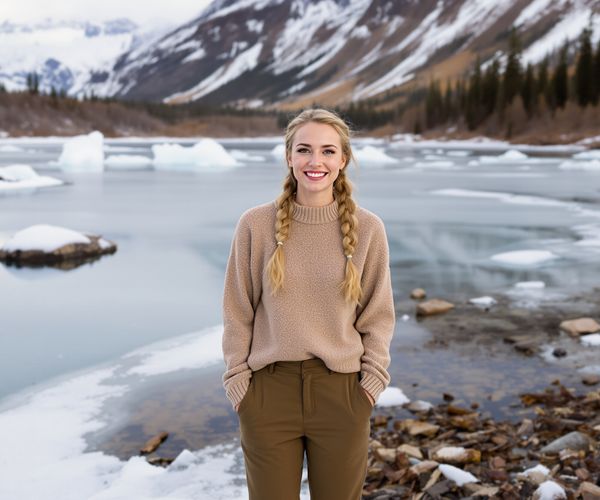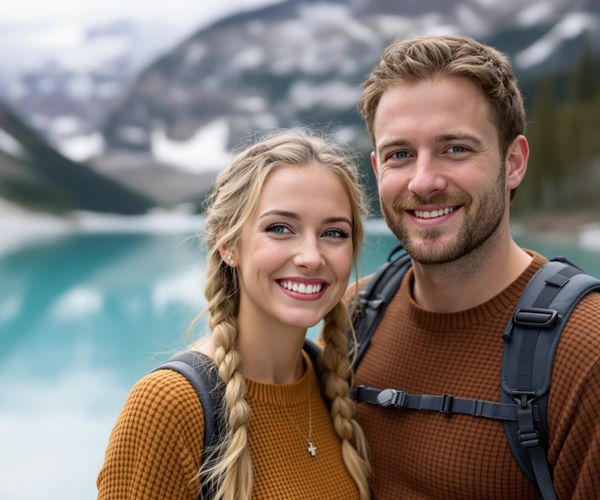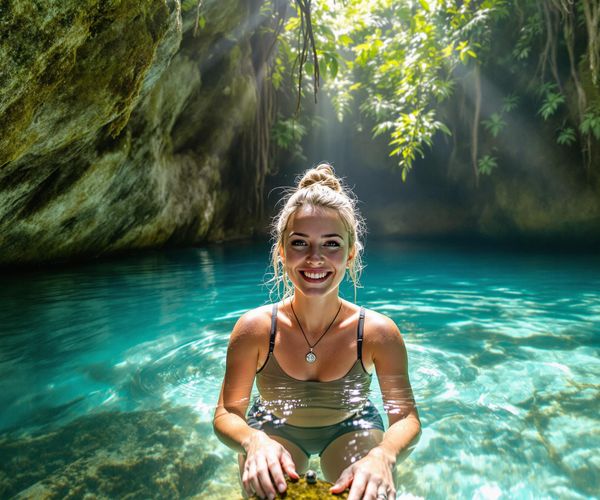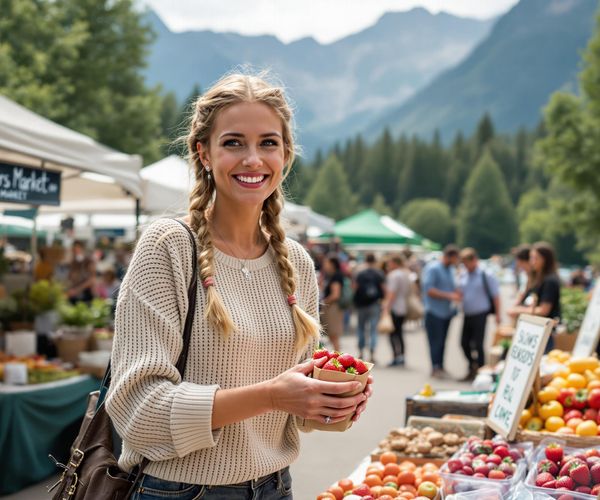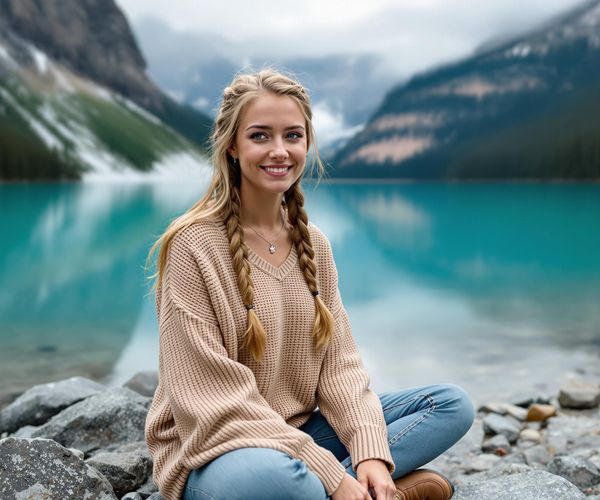
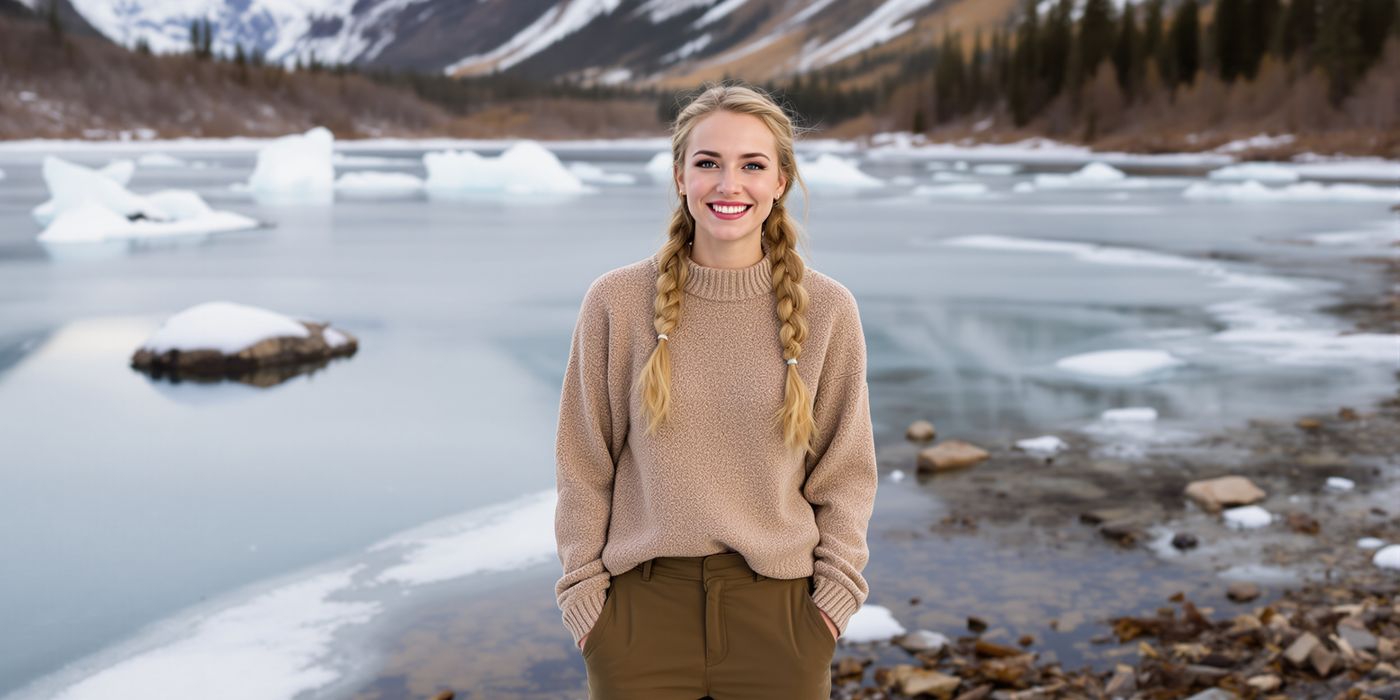
There's a certain magic in capturing a moment, a feeling, a place, and preserving it forever. As a wildlife photographer, I've always been drawn to documenting my travels, not just for myself, but to share the beauty and wonder of the world with others. Whether it's the rugged peaks of the Canadian Rockies or the serene fjords of my native Norway, every journey holds a story waiting to be told.
The Allure of Travel Documentation
Why do we feel compelled to document our travels? I believe it's more than just ticking off destinations on a list. It's about immersing ourselves in new cultures, connecting with nature, and creating lasting memories. Documenting your travels enhances the experience by forcing you to be more present, more observant. You start to notice the small details – the way the light filters through the trees, the sound of laughter in a bustling marketplace, the intricate patterns on a traditional textile. These are the moments that truly define a place, and by capturing them, you're not just preserving a memory, but also sharing a unique perspective with the world.
Sharing these memories is equally important. It allows you to connect with others who share your passion for travel, inspiring them to embark on their own adventures. It also creates a dialogue, fostering understanding and appreciation for different cultures and ways of life. And let's not forget the personal value of revisiting these documented experiences years later, reliving the joy and wonder of those moments.
Travel documentation connects you to the places you've visited in a profound way. It transforms you from a mere tourist into a storyteller, a custodian of memories, and a bridge between cultures.
Choosing Your Medium: A Palette of Options
The beauty of travel documentation lies in its versatility. There's no one-size-fits-all approach. The best medium is the one that resonates with you and allows you to express your unique voice. Here are a few options to consider:
- Travel journals: Capture your thoughts, feelings, and sensory details in a written narrative.
- Photography: Tell stories through visuals, capturing the essence of a place in a single frame.
- Videography: Create immersive travelogues that transport viewers to another world.
- Sketching and painting: Express your artistic impressions, capturing the beauty of a landscape or the character of a person with your own hands.
- Creating digital content: Share your experiences through blogs, vlogs, and social media, connecting with a global audience.
The Art of the Travel Journal
For me, the travel journal is a constant companion. It's where I pour out my thoughts, observations, and emotions, creating a personal record of my journey. When selecting a journal, consider whether you prefer the tactile feel of paper or the convenience of a digital device. A beautiful leather-bound notebook can be inspiring, while a tablet allows you to easily type and edit your entries on the go.
Don't be afraid to incorporate sketches, tickets, and other mementos into your journal. These small additions can add depth and personality to your entries, creating a richer tapestry of memories. Use writing prompts to spark your creativity and capture authentic experiences. What surprised you today? What did you learn? How did this place make you feel?
Most importantly, engage your senses. Describe the sights, sounds, smells, tastes, and textures of your surroundings. Adding these sensory details will transport you back to that moment in time, allowing you to relive the experience with vivid clarity.
Photography as Storytelling
As a wildlife photographer, I firmly believe that a picture is worth a thousand words. Photography is a powerful tool for storytelling, allowing you to capture the essence of a place and share it with the world. When it comes to gear, you don't need the most expensive equipment to take stunning photos. A good camera phone can be a great starting point, but if you're serious about travel photography, consider investing in a DSLR or mirrorless camera with interchangeable lenses.
Master the basic composition techniques, such as the rule of thirds, leading lines, and framing. These techniques will help you create visually appealing images that draw the viewer's eye and tell a compelling story. Focus on capturing the essence of a place through its people, landscapes, and details. Look for unique perspectives and experiment with different angles to create a sense of depth and intrigue.
Pay attention to the light. Natural light is your best friend, especially during the golden hour – the hour after sunrise and the hour before sunset. The warm, soft light during these times can transform an ordinary scene into something magical.
Crafting Compelling Travel Videos
Videography takes travel documentation to another level, creating immersive experiences that transport viewers to your destination. Before you start filming, plan your video with a shot list and storyboard. This will help you stay organized and ensure that you capture all the essential footage.
Invest in essential equipment, such as a good camera, microphone, and stabilizer. A decent camera will capture high-quality footage, while an external microphone will improve the audio quality. A stabilizer will help you create smooth, professional-looking videos, even when you're on the move.
Use diverse shots and perspectives to keep your video engaging. Include wide shots to establish the scene, close-ups to highlight details, and action shots to capture the energy of the moment. When editing your video, pay attention to pacing, music, and voiceovers. Use music to create emotion and set the tone, and add voiceovers to provide context and narration. Consider adding cinematic techniques like time-lapses or slow motion to enhance your storytelling.
Sharing Your Story: Platforms and Communities
Once you've documented your travels, it's time to share your story with the world. Choose the right platform based on your goals and target audience. Blogs are great for sharing detailed narratives and photos, while social media platforms like Instagram and TikTok are ideal for visual storytelling. Travel communities like Evendo offer a space to connect with fellow travelers and share your experiences.
Build an audience by creating engaging content and interacting with your followers. Respond to comments, ask questions, and share your knowledge and expertise. Use relevant hashtags and keywords to increase your visibility and reach a wider audience. If you're passionate about travel documentation, there are opportunities to monetize your stories through sponsorships, affiliate marketing, and selling your photos or videos.
Ethical Considerations in Travel Documentation
As travel documentarians, we have a responsibility to be ethical and respectful in our interactions with local cultures and traditions. Always obtain consent before photographing or filming people, and be mindful of cultural sensitivities. Avoid cultural appropriation and misrepresentation, and strive to promote responsible and sustainable tourism. By being mindful of our impact, we can ensure that our travel documentation contributes to a more positive and understanding world.
Documenting your travels enhances the experience. Explore creative ways to capture and share your journey through photography and storytelling.