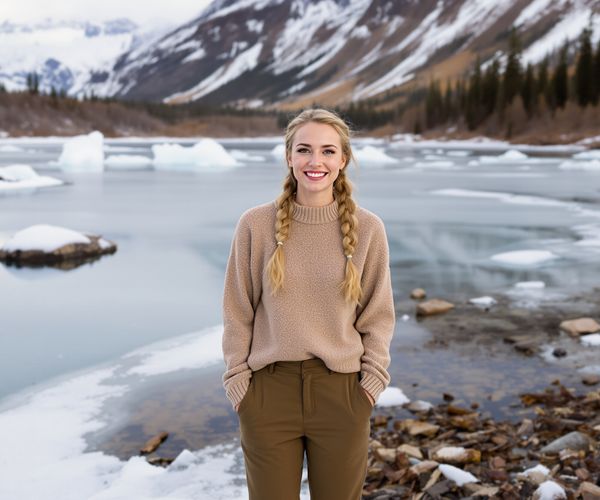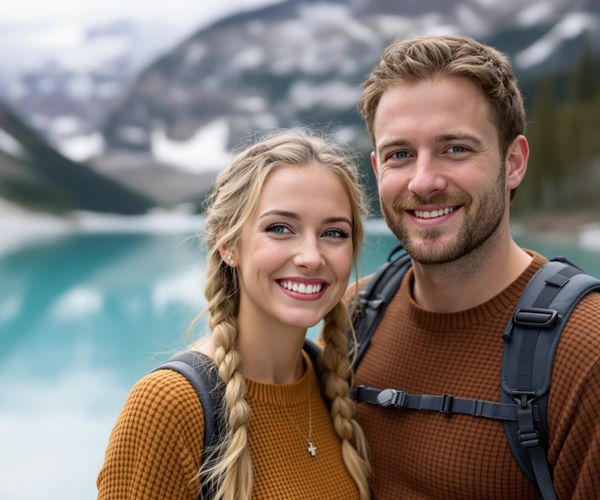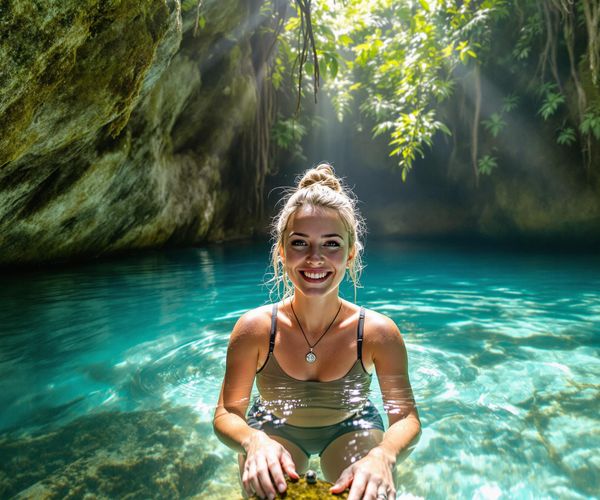

The crisp mountain air filled my lungs as I watched a herd of elk graze peacefully in the valley below. It was a scene I almost missed, rushing to the next photography spot on my list. That's when it hit me: I wasn't truly experiencing the place I was in. This realization sparked my journey into slow travel, a way to connect more deeply with the world around me. Join me as I share my insights on how to embrace this mindful approach to exploration.
The Essence of Slow Travel
Slow travel is more than just a leisurely vacation; it’s a conscious choice to immerse yourself in a destination, connecting with its culture, environment, and people at a deeper level. It's a stark contrast to conventional tourism, where the goal is often to tick off as many sights as possible in a limited time. The slow travel movement encourages us to shift our focus from quantity to quality, valuing authentic experiences over superficial encounters.
The philosophy behind slow travel stems from the ‘slow movement,’ which originated in Italy in the 1980s as a protest against fast food. It has since expanded to encompass various aspects of life, including travel. The core idea is to slow down, savor the moment, and appreciate the simple things. Instead of rushing from one attraction to another, slow travelers take their time, allowing themselves to be fully present in each experience.
I remember one particular trip to the Scottish Highlands with Liam. We were determined to see as many castles as possible, driving long hours and barely stopping to appreciate the stunning landscapes. Looking back, I realize we missed so much. We were so focused on the destination that we forgot to enjoy the journey. A slower pace would have allowed us to truly connect with the history, culture, and natural beauty of the Highlands.
Why Choose Slow Travel?
The benefits of slow travel extend far beyond a more relaxed pace. On a personal level, it reduces stress and enhances well-being. By slowing down, we allow ourselves to be more present, mindful, and appreciative of our surroundings. This can lead to a greater sense of peace and contentment.
Environmentally, slow travel is a more sustainable option. By choosing slower modes of transportation, such as trains, buses, cycling, or walking, we can significantly reduce our carbon footprint. We can also support sustainable practices by choosing eco-friendly accommodations and respecting the local environment.
Economically, slow travel can have a positive impact on local communities. By supporting small businesses, eating at local restaurants, and buying artisanal products, we can help boost the local economy and ensure that our tourism dollars benefit the people who live in the destination we are visiting.
Liam and I experienced this firsthand during a trip to Ireland to explore his heritage. Instead of staying in large chain hotels, we opted for cozy bed and breakfasts run by local families. We ate at traditional pubs, listened to local musicians, and learned about the history of the area from the people who lived there. It was a far more enriching experience than any guidebook could have provided.
Connecting with Nature on a Deeper Level
Slow travel provides unparalleled opportunities to connect with nature on a deeper level. When we slow down, we become more attuned to the subtle details of our surroundings. We notice the delicate wildflowers blooming along the trail, the intricate patterns in a bird’s song, and the way the light filters through the trees. This heightened awareness allows us to develop a more profound appreciation for the natural world.
It also opens doors for wildlife observation and conservation efforts. Instead of simply driving through a national park, slow travelers take the time to hike, camp, and observe the wildlife in their natural habitat. This can lead to a greater understanding of the challenges facing these animals and inspire us to support conservation efforts.
As a wildlife photographer, slow travel is essential to my work. I need time and patience to capture truly intimate moments with wildlife. For example, in Banff National Park, I spent days tracking a family of wolves, observing their behavior and waiting for the perfect light. It was a slow, deliberate process, but the resulting photographs were far more rewarding than anything I could have captured in a rush.
Another memorable experience was in Norway, photographing puffins on the island of Runde. I spent hours sitting on the cliffs, observing these fascinating birds and waiting for the perfect moment to capture their unique personalities. It was a humbling experience that reinforced my commitment to slow, mindful travel.
Immersing Yourself in Local Culture
One of the most rewarding aspects of slow travel is the opportunity to immerse yourself in local culture. This involves interacting with local communities, learning about their traditions, and respecting their way of life. It's about going beyond the tourist attractions and engaging with the authentic heart of a place.
Practical tips for engaging with locals include learning basic phrases in the local language, participating in local events, and respecting local customs. Even a simple gesture like saying “hello” in the local language can go a long way in building connections.
Trying local cuisine and supporting artisanal craftsmanship are also great ways to immerse yourself in local culture. Instead of eating at international chain restaurants, seek out family-run establishments that serve traditional dishes. Visit local markets and craft shops to support local artisans and learn about their craft.
I’ll never forget meeting Liam while backpacking through Europe. I was attempting to navigate the Dublin Bus system and looked hopelessly lost. He saw my confusion, and helped me find my way. That chance encounter led to a shared love for travel, and eventually, our marriage. Those spontaneous interactions with locals are the moments that truly enrich our travel experiences.
Practical Tips for Planning a Slow Travel Itinerary
Planning a slow travel itinerary requires a different approach than planning a conventional vacation. It’s about choosing destinations and accommodations that align with slow travel principles and allowing for flexibility and spontaneity.
When choosing destinations, consider smaller towns and rural areas that offer a more authentic experience. Look for accommodations that are locally owned and operated, such as guesthouses, farm stays, or eco-lodges. These types of accommodations often provide a more intimate and immersive experience than large chain hotels.
Transportation is another key consideration. Opt for slower modes of transportation, such as trains, buses, cycling, or walking, whenever possible. These options not only reduce your carbon footprint but also allow you to see more of the countryside and interact with locals.
Liam and I typically start by choosing a region that interests us, considering both my love for nature and his Irish heritage. We research local events, festivals, and cultural attractions, and then create a flexible itinerary that allows for spontaneity. We also rely on resources like local tourism websites, travel blogs, and guidebooks to find unique and off-the-beaten-path experiences.
Embracing the Unexpected
Perhaps the most important aspect of slow travel is embracing the unexpected. Unplanned moments and detours can often lead to the most memorable experiences. It’s about being open to new possibilities and allowing yourself to be surprised.
I’ve learned that some of my best photos come from unplanned moments or unexpected weather conditions. A sudden rainstorm can create dramatic lighting, while a chance encounter with a wild animal can lead to a once-in-a-lifetime photograph. It’s about being prepared to adapt to changing conditions and seeing “failures” as opportunities.
Travel is a journey of self-discovery and personal growth. By embracing the unexpected, we open ourselves up to new experiences, new perspectives, and new possibilities. Slow travel is not just about seeing the world; it’s about seeing ourselves in a new light.
Discover the art of slow travel and how it can enhance your travel experiences by allowing you to connect deeply with nature and culture.