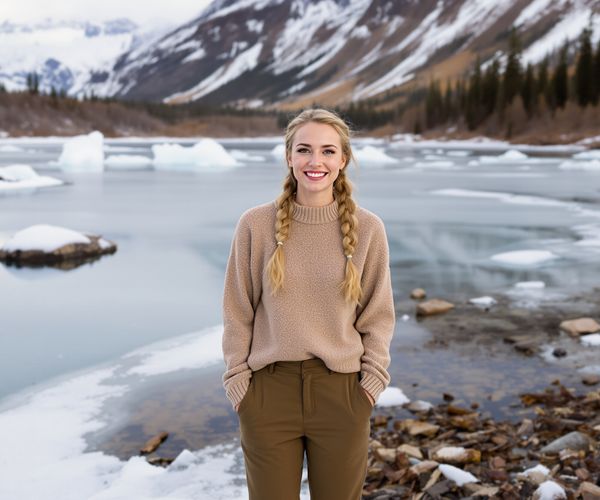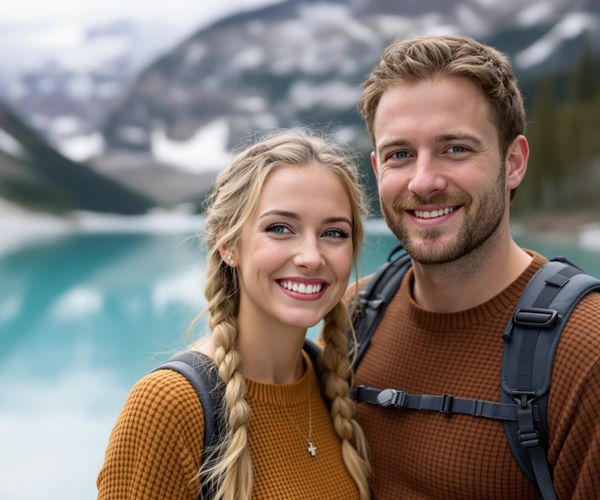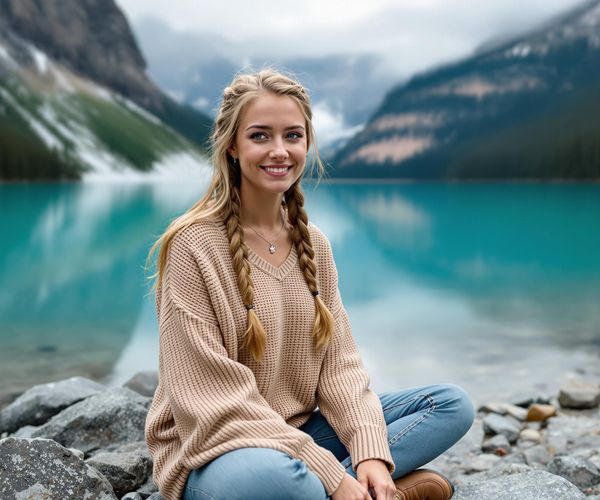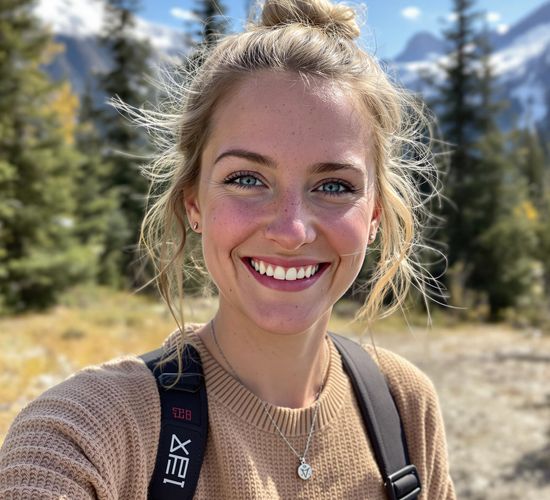

The crisp mountain air fills my lungs as I set off on another solo adventure here in the Canadian Rockies. There's nothing quite like the solitude and self-reliance of a solo hike, pushing my limits and connecting with nature on a deeply personal level. But as much as I cherish these moments, safety is always my top priority. Over the years, I've learned that thorough preparation and mindful practices are key to a successful and safe solo hiking experience. So, if you're dreaming of hitting the trails alone, let me share some essential tips to help you explore with confidence.
Planning and Preparation: Laying the Groundwork for a Safe Hike
Before even lacing up my boots, the planning phase begins. I dive deep into researching the trail. This isn't just about admiring pretty pictures; it's about understanding the nitty-gritty: the trail's difficulty, total distance, and elevation gain. I check recent trail reports for current conditions, potential hazards, and any closures. Knowing what to expect is half the battle.
Crucially, I always inform someone – usually Liam – of my detailed hiking plans. This includes my specific route, planned bailout points, and my expected return date. I also make sure they know what steps to take if I don't return on schedule. It might seem a bit much, but it provides peace of mind for both of us.
The weather forecast is another non-negotiable. Mountain weather can change in an instant, so I pay close attention to potential hazards like incoming storms or the risk of flash floods. Being prepared for the worst-case scenario is always a good idea.
I meticulously plan my route, considering daily mileage, potential campsites, and reliable water sources. I also identify bailout points, access roads, and possible evacuation routes in case things go sideways. Finally, I ensure I have all the necessary permits or reservations well in advance, respecting the rules and regulations of the area.
Essential Gear: Packing for Self-Sufficiency
My backpack is my lifeline on the trail, so I pack it with meticulous care. Navigation tools are paramount. While I love using a traditional map and compass, I also rely on a GPS device and a smartphone app with offline maps. Technology can fail, so knowing how to navigate the old-fashioned way is crucial.
Communication is key, especially when hiking solo. I carry my cell phone, but I also invest in a satellite messenger like my Garmin inReach. It allows me to send messages and, if necessary, trigger an SOS signal, even when I'm far beyond cell service.
A comprehensive first-aid kit is a must-have, stocked with bandages, antiseptic wipes, pain relievers, and any personal medications I might need. I also include an emergency shelter, like a lightweight space blanket or tarp, to protect myself from the elements if I get caught out in the open.
Sun protection is crucial, even on cloudy days. I always pack sunglasses, sunscreen, and a wide-brimmed hat. I also carry extra food and water. High-energy snacks like nuts and dried fruit are great for keeping my energy levels up, and I always bring a water filter or purification tablets to ensure I have access to safe drinking water.
A headlamp or flashlight with extra batteries is essential for navigating in the dark, and a multi-tool or knife is invaluable for various tasks, from repairing gear to preparing food.
On the Trail: Staying Aware and Making Smart Decisions
Once I'm on the trail, staying vigilant is my mantra. I pay close attention to my surroundings, scanning the ground for obstacles, keeping an eye out for other hikers or wildlife, and listening to the sounds of nature. It's about being fully present in the moment.
I make a point of staying on marked trails, avoiding the temptation to stray off-path, which can lead to getting lost or injured. I continuously monitor weather conditions, being aware of any changes that could signal an approaching storm or other hazards. If the weather takes a turn for the worse, I'm prepared to adjust my plans or even turn back.
Conserving energy is important, especially on longer hikes. I pace myself, taking frequent breaks to rest and refuel. I listen to my body and don't push myself too hard. Most importantly, I trust my instincts. If something doesn't feel right – a sense of unease, a nagging injury – I don't hesitate to turn back. It's always better to be safe than sorry.
Wildlife Encounters: Respecting Nature's Inhabitants
Living in Banff, I'm acutely aware of the potential for wildlife encounters. Before any hike, I research the local wildlife, learning about the animals that inhabit the area and how to react if I encounter them. Making noise while hiking is a simple but effective way to avoid surprising animals. I often sing or talk to myself, letting them know I'm approaching.
I always keep a safe distance from wildlife, never approaching or feeding them. It's crucial to respect their space and avoid altering their natural behaviors. I store my food properly in bear-resistant containers to avoid attracting animals to my campsite. And, when hiking in bear country, I always carry bear spray and know how to use it effectively.
Emergency Situations: Staying Calm and Taking Action
Even with the best planning, emergencies can happen. In such situations, staying calm is the first and most important step. I take a deep breath and assess the situation, evaluating the nature and severity of the emergency.
If someone is injured, I administer first aid to the best of my ability. Then, I signal for help using a whistle (three short blasts is the universal signal for distress), my satellite communication device, or a personal locator beacon.
If it's safe to do so, I try to navigate back to my starting point by retracing my steps. However, if I'm lost or unsure of my direction, I stay put, conserving energy and waiting for help to arrive. It's always easier for rescuers to find someone who stays in one place.
Leveraging Technology: Apps and Devices for Enhanced Safety
Technology has revolutionized hiking safety. I use a variety of hiking apps like AllTrails, Gaia GPS, and Komoot to plan my routes, navigate on the trail, and track my progress. Cairn is another great app, specifically designed for safety, providing information on cell coverage and allowing you to share your location with emergency contacts.
I always download offline maps for areas with limited or no cell service. GPS devices are invaluable for accurate navigation, and satellite communicators like Garmin inReach, Zoleo, and SPOT devices provide a lifeline for messaging and SOS in remote areas.
Solo hiking is an incredibly rewarding experience, but it requires a responsible and safety-conscious approach. By following these tips, you can empower yourself to explore the wilderness with confidence, knowing that you're prepared for whatever challenges may come your way. Happy trails!
Essential safety tips for solo hikers looking to explore nature and adventure independently.