Gear Up: Essential Equipment for Wildlife Photography
Choosing the right gear is the first step in your wildlife photography journey. In 2026, camera technology has advanced significantly, offering incredible options for capturing stunning images. For camera bodies, I recommend considering models with excellent autofocus systems, high burst speeds, and impressive low-light performance. These features are crucial for capturing fast-moving animals in various lighting conditions. Some great options include full-frame mirrorless cameras, which offer exceptional image quality and advanced features.
When it comes to lenses, telephoto lenses are your best friends. A range of 200-600mm is ideal for capturing distant subjects without disturbing them. Zoom lenses offer flexibility, allowing you to adjust your focal length quickly as the animal moves. Image stabilization is another essential feature, helping to reduce blur caused by camera shake, especially when shooting handheld. Don't forget accessories like sturdy tripods or monopods for added stability, especially when using heavy telephoto lenses. A good camera bag is also essential for protecting your gear while you're on the move. I also always carry protective gear like rain covers to protect my equipment from the elements.
Mastering Techniques: Settings and Focus
Understanding camera settings is crucial for capturing sharp, well-exposed wildlife photos. Fast shutter speeds are essential for freezing motion, especially when photographing birds in flight or running mammals. I typically use a shutter speed of 1/250s or faster, depending on the animal's speed. Aperture settings play a significant role in subject isolation and creating beautiful bokeh (the blurry background effect). I often shoot with a wide aperture, such as f/2.8 to f/5.6, to blur the background and make the subject stand out.
ISO settings determine your camera's sensitivity to light. In low-light conditions, you'll need to increase your ISO to brighten the image. However, be mindful of noise, which can degrade image quality at high ISO levels. Experiment to find the highest ISO setting your camera can handle without producing excessive noise. Focus modes are also critical for capturing sharp images. Continuous autofocus (AI-Servo or AF-C) is ideal for tracking moving animals, as it constantly adjusts the focus as the subject moves. Lastly, understanding light is key. The golden hour (the hour after sunrise and the hour before sunset) offers soft, warm light that is perfect for wildlife photography. Backlighting can create dramatic silhouettes, while overcast days provide even, diffused light that reduces harsh shadows.
Ethical Considerations: Respecting Wildlife
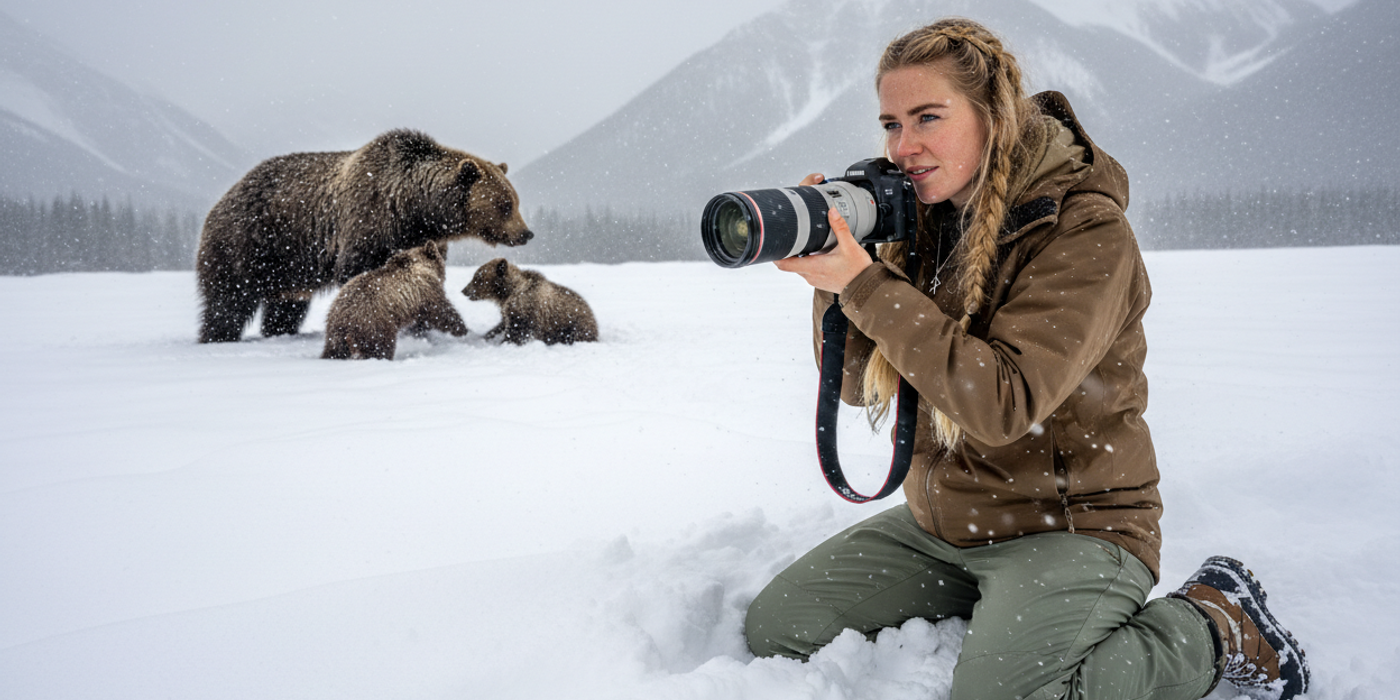
As wildlife photographers, we have a responsibility to protect the animals we photograph. Maintaining a safe distance is crucial. Telephoto lenses allow us to capture intimate portraits without disturbing the animals. It's important to minimize our impact on their natural behavior. Avoid making loud noises or sudden movements that could scare them. Always adhere to local guidelines and park regulations, which are designed to protect wildlife and their habitats. The ethics of baiting and manipulating wildlife for photographs are widely debated in the photography community. Personally, I believe it's essential to avoid any practices that could harm or stress the animals. Authenticity is key.
The Art of Observation and Patience
Patience and observation are perhaps the most important skills for wildlife photography. Spend time observing your subjects to learn their routines and interactions. This will help you anticipate key moments and capture unique behaviors. I remember once spending three days tracking a family of grizzly bears in the Canadian Rockies. I learned their feeding patterns, their interactions with each other, and their favorite spots to rest. On the third day, I was finally able to capture a series of images of the mother bear playing with her cubs in a meadow. It was a magical moment that I wouldn't have been able to capture without patience and careful observation. Working with local guides can also provide invaluable insights into animal behavior and habitat.
Wildlife in Varied Environments: Forest, Mountain, Arctic
Different environments present unique challenges and opportunities for wildlife photography. In forests, low light and dense foliage can make it difficult to capture clear images. Use a wide aperture and high ISO to compensate for the lack of light. Look for openings in the trees where sunlight can penetrate, creating dramatic lighting effects. Mountain wildlife photography presents challenges such as altitude and unpredictable weather conditions. Be prepared for sudden changes in weather and dress in layers to stay warm and dry. When photographing in the Arctic, you'll need to deal with extreme cold and snowy landscapes. Protect your gear from the cold by using insulated camera bags and hand warmers. Capturing animals in snowy landscapes requires careful attention to exposure to avoid underexposing the subject. Yellowstone National Park and Lake Clark National Park are great locations to visit.
Explore the essentials of wildlife photography: techniques, ethical considerations, and capturing authentic moments in diverse environments. Astrid Nilsen shares her expertise.