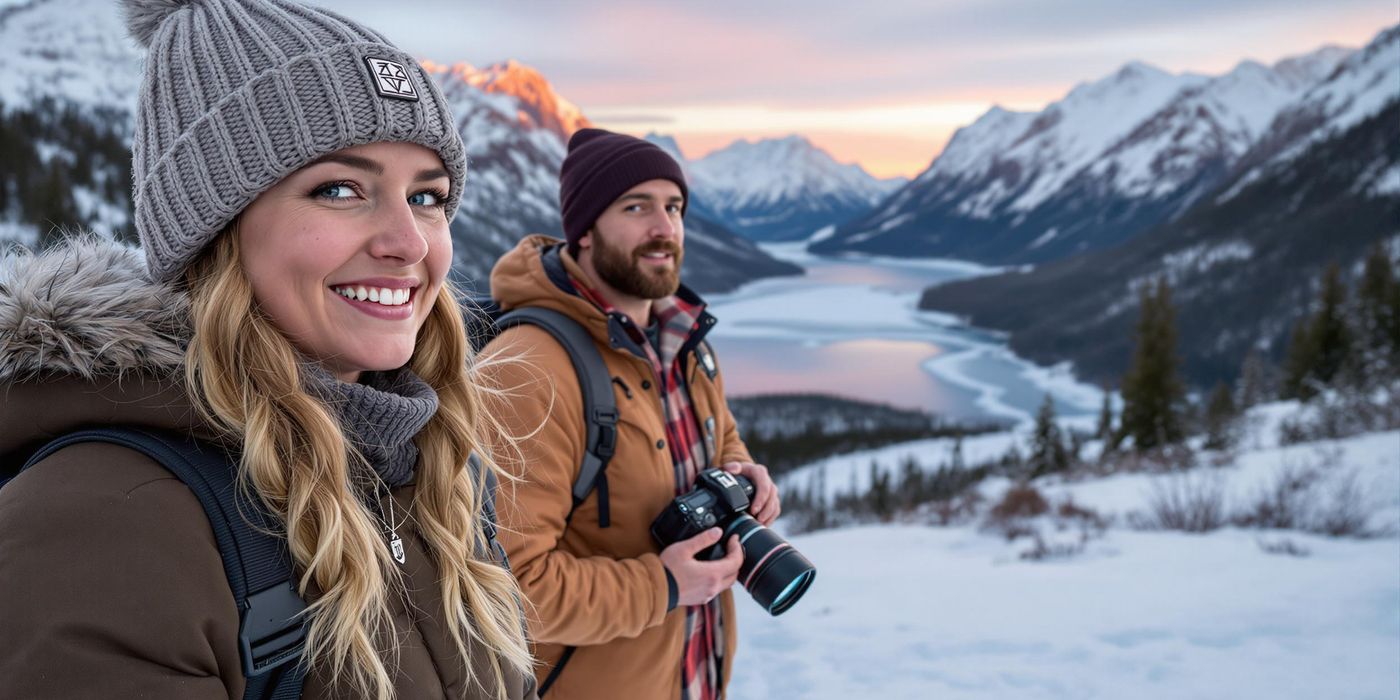
The crisp mountain air fills my lungs as I set out before dawn, the Canadian Rockies painted in hues of pre-sunrise light. For me, wildlife photography isn't just about capturing a stunning image; it's about connecting with nature in a respectful and responsible way. It's a privilege to witness these creatures in their natural habitat, and it's our duty to ensure our presence doesn't harm them or their homes.
Introduction: More Than Just a Snapshot
In today's world, where everyone has a camera in their pocket, wildlife photography has exploded in popularity. While this increased interest can raise awareness and appreciation for the natural world, it also brings a greater risk of irresponsible practices. We've all seen the photos of animals being crowded, baited, or otherwise disturbed for the sake of a 'perfect' shot. These actions can have serious consequences, disrupting natural behaviors, stressing animals, and even damaging fragile habitats.
Responsible wildlife photography is about finding the balance between capturing incredible images and ensuring the well-being of our subjects. It’s about understanding that the animal’s needs come first, always. This guide will walk you through the core principles of ethical wildlife photography, from choosing the right gear to sharing your work in a way that promotes conservation.
Ethical Considerations: Putting Wildlife First
Ethical considerations are the bedrock of responsible wildlife photography. Here are some key principles to keep in mind:
- Maintaining a safe distance: The closer you get, the more likely you are to disturb an animal. Observe them from a respectful distance, using binoculars or a telephoto lens to get a closer view. What constitutes a 'safe' distance varies depending on the species and the environment, so always err on the side of caution.
- Avoiding baiting and artificial attractants: Using food, calls, or other lures to attract animals might seem like a shortcut to a great photo, but it can have harmful consequences. It can alter their natural feeding behaviors, make them dependent on humans, and even put them at risk of predation or disease.
- Respecting nesting and breeding seasons: Animals are particularly vulnerable during nesting and breeding seasons. Minimize your disturbance by avoiding these areas altogether or observing from a greater distance. Be especially careful not to approach or photograph nests or young animals.
- Minimizing habitat impact: Stick to marked trails, avoid trampling vegetation, and be mindful of your impact on the environment. Even seemingly small actions can have a cumulative effect on sensitive ecosystems.
Gear Up Responsibly: Choosing the Right Equipment
The equipment you choose can also play a role in responsible wildlife photography:
- Telephoto lenses: Long lenses are essential for capturing close-up shots without getting too close to the animals. Invest in a quality telephoto lens that allows you to maintain a respectful distance.
- Camera settings for low-impact photography: Use silent shutter modes to minimize noise and avoid startling wildlife. Reduce flash use as it can be disorienting and disruptive, especially to nocturnal animals. If flash is necessary, use it sparingly and consider using a diffuser to soften the light.
- The role of camouflage and natural colors: Wearing clothing that blends in with the environment can help you avoid startling wildlife. Opt for earthy tones and avoid bright colors or patterns.
- Considerations for drones: Drones can provide unique perspectives on wildlife, but they can also be highly disruptive. Check local regulations and obtain necessary permits before using a drone. Maintain a safe distance from animals and avoid flying directly overhead. Be mindful of noise levels and avoid sensitive areas.
Best Practices in the Field: Minimizing Your Footprint
Once you're in the field, follow these best practices to minimize your impact:
- Researching your subject: Before heading out, learn as much as you can about the animal you plan to photograph. Understanding their behavior, habitat, and conservation status will help you make informed decisions and avoid causing harm.
- Observing from a distance: Use binoculars or spotting scopes to observe animals from afar before approaching with your camera. This will give you a better understanding of their behavior and allow you to assess the situation without disturbing them.
- Being aware of your surroundings: Pay attention to the animal's body language and behavior. If they show signs of stress, such as pacing, vocalizing, or fleeing, back off immediately. Respect their space and allow them to go about their natural activities.
- Leaving no trace: Pack out all trash, stay on designated trails, and avoid disturbing vegetation or other natural features. Leave the environment as you found it, or even better, leave it cleaner than you found it.
- Understanding local regulations: Be aware of and comply with all park rules and regulations. These regulations are in place to protect wildlife and their habitats, so it's important to respect them.
Techniques for Ethical Wildlife Interaction: Capturing Authentic Moments
Ethical wildlife photography is about capturing authentic moments without manipulating the scene:
- Patience and observation: The best wildlife photos often come from patience and observation. Wait for natural behaviors to unfold rather than trying to force a shot. Sometimes, the most rewarding experiences come from simply observing and appreciating the animal's presence.
- Using natural light: Natural light is almost always the best option for wildlife photography. It's less disruptive than flash and creates more natural-looking images. Experiment with different angles and times of day to find the best light for your subject.
- Storytelling through images: Use your images to tell the animal's story and promote conservation. Capture images that convey their personality, their struggles, and their importance to the ecosystem.
- Focusing on behavior: Prioritize capturing images of animals engaging in natural behaviors rather than staged or posed shots. These images are more authentic and provide a valuable glimpse into the animal's life.
Sharing Your Work Responsibly: Promoting Conservation
Your images have the power to inspire and educate others. Here's how to share your work responsibly:
- Using your platform to educate: Share information about the animals you photograph and the importance of conservation. Educate your audience about the challenges they face and the steps they can take to help.
- Supporting conservation organizations: Donate a portion of your profits to organizations working to protect wildlife and their habitats. Support their efforts through fundraising, volunteering, or advocacy.
- Being transparent about your methods: Be open about your techniques and ethical considerations. Share your experiences and lessons learned to help others become more responsible wildlife photographers.
- Inspiring others to be responsible: Use your photography to inspire others to appreciate and protect wildlife. Show them the beauty and wonder of the natural world and encourage them to become advocates for conservation.
A comprehensive guide to responsible wildlife photography, emphasizing ethical considerations, equipment tips, and best practices for interacting with animals in their natural habitats.