As an Ivorian immigrant living in Canada, I've always believed that food is more than just sustenance; it's a passport to understanding cultures. My journey has been seasoned with incredible culinary experiences, and I'm excited to share how you too can use food as a gateway to explore the world.
The Power of Food in Cultural Understanding
Food is a universal language that transcends borders. It's a window into the history, traditions, and values of a community. Think about it: a simple dish can tell you so much about a region's climate, agriculture, and even its social structure. For me, food has been a powerful tool for connecting with different cultures. Growing up in Aboisso, Cote d'Ivoire, food was always at the center of our family gatherings. Each meal was a celebration of our heritage, a time to share stories and strengthen bonds. When I moved to Canada, I quickly realized that food could also be a bridge to new cultures. Sharing Ivorian dishes with my Canadian friends and family became a way to introduce them to my roots and create meaningful connections.
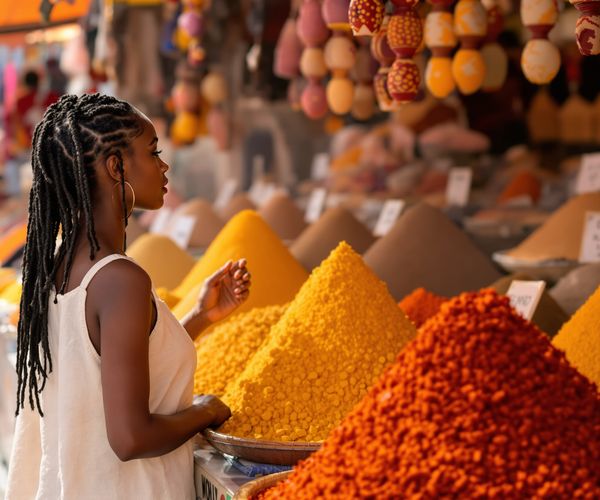
I remember one particular experience in Marrakech, Morocco. Wandering through the bustling souks, the aroma of spices led me to a small, family-run stall. The owner, a kind woman with warm eyes, invited me to try her tagine. As I savored the rich flavors of the slow-cooked stew, she shared stories about her family and the history of the dish. In that moment, I felt a profound connection to Moroccan culture, a connection that went beyond the typical tourist experience.
Discovering Local Food Scenes: A Traveler's Toolkit
These days, travel is evolving. It's less about ticking off landmarks and more about immersive experiences. People are craving hyper-local food adventures, eager to delve into the unique regional cuisines that make each place special. Sustainability and cultural sensitivity are also becoming increasingly important, shaping the way we explore the world through its food.
So, how do you uncover these hidden culinary gems? Start by doing your research. Look beyond the typical tourist traps and seek out local food blogs, forums, and social media groups. Ask locals for their recommendations – they're often the best source of insider information. Don't be afraid to venture off the beaten path and explore the smaller towns and villages, where you're more likely to find authentic, home-cooked meals.
Street Food Tours: A Delicious Dive into Local Life
Street food tours are one of my favorite ways to experience a culture's everyday flavors. They offer a unique glimpse into the local way of life, allowing you to sample a variety of dishes while interacting with the vendors and other food lovers. The energy is infectious, the food is often incredibly affordable, and you're guaranteed to discover new and exciting flavors.
One of my most memorable street food experiences was in Bangkok, Thailand. The vibrant night markets were a sensory overload, filled with the sizzle of woks, the fragrant aromas of spices, and the chatter of locals and tourists alike. I sampled everything from Pad Thai to mango sticky rice, each bite bursting with flavor. But it wasn't just the food that made the experience so special; it was the sense of community, the shared joy of discovering new tastes, and the feeling of being fully immersed in Thai culture.
Don't shy away from trying local snacks and everyday eats. These are the flavors that truly define a culture. Whether it's a crispy arepa in Colombia, a savory banh mi in Vietnam, or a spicy jerk chicken in Jamaica, these simple dishes offer a taste of the local soul.
Immersive Cooking Classes: Learning Through Hands-On Experience
Taking a cooking class is another fantastic way to learn about local cuisine and culinary techniques. It's a hands-on experience that allows you to connect with the ingredients, learn from local chefs, and gain a deeper understanding of the cultural significance of food. Plus, you get to take home new skills and recipes that you can share with your friends and family.
I'll never forget the cooking class I took in Tuscany, Italy. We learned how to make fresh pasta from scratch, using locally sourced ingredients. The chef shared stories about his family's culinary traditions, and we all laughed and bonded over our shared love of food. By the end of the class, I felt like I had not only learned how to cook Italian food but also gained a deeper appreciation for Italian culture.
I've noticed a rise in culinary travel retreats that focus on healing and mindfulness. These retreats offer a unique opportunity to connect with yourself and others through the power of food. They often incorporate meditation, yoga, and other wellness practices, creating a holistic experience that nourishes both the body and the soul.
Dining with Locals: Creating Meaningful Connections
One of the most rewarding travel experiences is dining with locals. It's an opportunity to step outside of the tourist bubble and gain a deeper understanding of their culture and traditions. Sharing a meal with a local family or community group can be a truly transformative experience, creating lasting memories and forging meaningful connections.
There are many ways to find opportunities to dine with locals. Homestay programs are a great option, as they often include meals with the host family. Community-organized meals and storytelling suppers are also becoming increasingly popular, offering a chance to connect with locals and learn about their lives over a shared meal. Look for community tables in restaurants. These are communal dining spaces designed to bring people together and encourage conversation.
Sustainable Culinary Tourism: Eating Responsibly
As we explore the world through its food, it's important to be mindful of our impact on the environment and local communities. Sustainable tourism practices are essential for preserving the cultural and natural resources that make these culinary experiences so special.
Support local producers and restaurants that prioritize locally sourced ingredients. This helps to reduce your carbon footprint and supports the local economy. Choose restaurants that use sustainable fishing practices and avoid those that serve endangered species. Be mindful of food waste and try to minimize your consumption. Respect local customs and traditions, and be open to trying new things.
I'm excited to see the rise of regenerative culinary travel experiences. These experiences go beyond sustainability, aiming to restore and enhance the environment and local communities. They often involve working with local farmers and producers to promote sustainable agriculture practices and support biodiversity.
Explore the world's cultures through their cuisines with tips on street food, cooking classes, and dining with locals, enhanced by personal stories.