There's a certain magic to local markets, isn't there? It's more than just shopping; it's an immersion into the heart of a place, a chance to taste its flavors, hear its stories, and feel its rhythm. From the vibrant chaos to the quiet corners, markets offer a glimpse into the soul of a community. As someone who has wandered through countless markets across continents, from my childhood home in Aboisso, Cote d'Ivoire, to my current life in Kingston, Canada, I've learned that these spaces are more than just places of commerce; they're living, breathing tapestries of culture.
The Allure of Local Markets
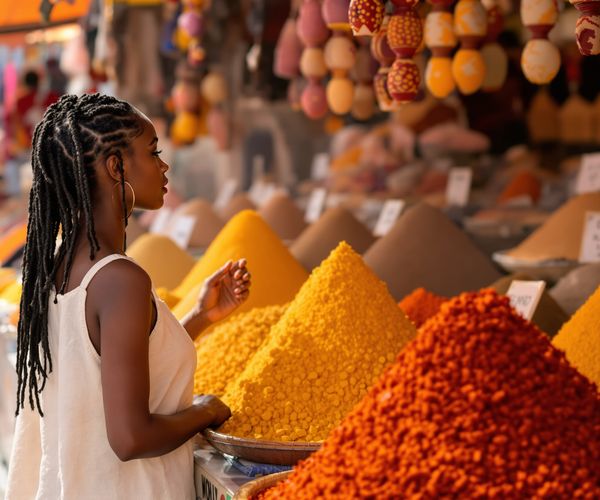
What is it about local markets that captivates us so? Perhaps it's the stark contrast to the sterile, predictable environment of modern supermarkets and shopping malls. In a market, you're not just a consumer; you're a participant in a vibrant, age-old tradition. The air buzzes with energy, a symphony of sounds – vendors calling out their wares, the chatter of locals catching up, the rhythmic chopping of produce. Colors explode before your eyes – the bright hues of fruits and vegetables, the intricate patterns of textiles, the dazzling array of handcrafted goods. And the smells! Aromatic spices, freshly baked bread, the earthy scent of the soil clinging to newly harvested crops – it's a feast for the senses.
I remember wandering through the markets of Abidjan with my grandmother, the air thick with the scent of grilled plantains and the vibrant colors of wax-print fabrics. She knew every vendor, every stall, and every story behind the goods on display. It wasn't just about buying food; it was about connecting with the community, sharing news, and preserving traditions. These experiences shaped my understanding of markets as vital social hubs, places where culture is not just observed but actively lived and breathed.
Kingston and Aboisso: A Tale of Two Markets
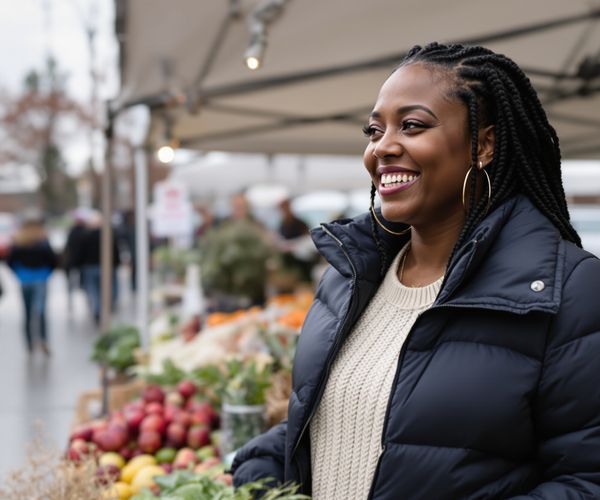
My journey has taken me from the bustling markets of Cote d'Ivoire to the more subdued, but equally charming, Kingston Public Market in Ontario. The contrast is striking, yet the underlying essence remains the same: a gathering place for community, commerce, and connection.
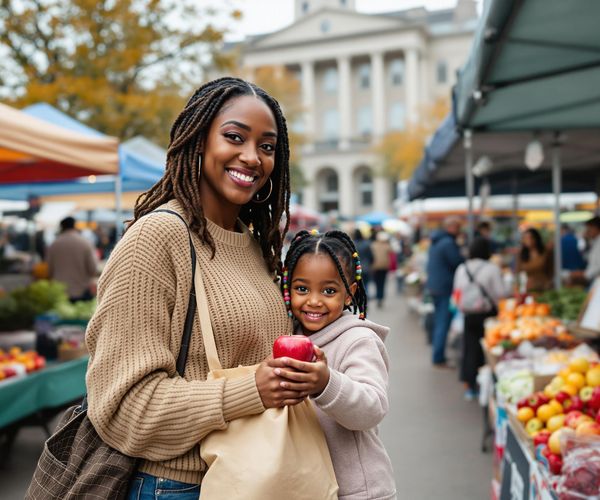
The Kingston Public Market, one of the oldest in Canada, boasts a rich history dating back to 1801. Here, local farmers, artisans, and food vendors gather to showcase their products. You'll find everything from fresh produce and homemade baked goods to handcrafted jewelry and artwork. While the scale and atmosphere may differ from the markets of Aboisso and Abidjan, the sense of community is palpable. It's a place where you can chat with the farmer who grew your vegetables, learn about the artist who created your favorite piece of jewelry, and feel a genuine connection to the people and products around you.
In Aboisso and Abidjan, the markets are a whirlwind of activity. Imagine stalls overflowing with colorful fruits like mangoes, pineapples, and avocados, alongside heaps of yams, plantains, and cassava. You'll find vendors selling traditional Ivorian dishes like attiéké (fermented cassava couscous) and alloco (fried plantains), the air thick with the aroma of spices and grilling meats. These markets are not just places to buy food; they're cultural institutions, reflecting the traditions, flavors, and spirit of Cote d'Ivoire.
Navigating Market Etiquette
Venturing into a local market can be an exciting adventure, but it's important to do so with respect and sensitivity. Here are a few tips to help you navigate market etiquette:
- Learn a few basic local phrases: A simple hello, thank you, and how much? in the local language can go a long way in building rapport with vendors.
- Observe local customs: Pay attention to how locals dress and behave, and try to follow suit. In some cultures, it may be considered disrespectful to wear revealing clothing or take photographs without permission.
- Be mindful of personal space: In crowded markets, it's important to be aware of your surroundings and avoid bumping into people or blocking pathways.
- Ask before touching: Always ask permission before touching produce or other goods on display.
The Art of Bartering
Bartering is a common practice in many local markets, but it's important to approach it with respect and a sense of fairness. Here are a few tips for successful bartering:
- Do your research: Before you start bartering, research the average prices for the goods you're interested in. This will give you a good starting point for negotiations.
- Be friendly and respectful: Bartering should be a friendly exchange, not a confrontation. Smile, make eye contact, and be polite, even if you don't agree on a price.
- Start low, but be reasonable: Begin with an offer that is lower than what you're willing to pay, but not so low that it's insulting. Be prepared to negotiate and meet the vendor somewhere in the middle.
- Know when to walk away: If you can't reach an agreement on a price, be prepared to walk away. Sometimes, this is the best way to get the vendor to reconsider their offer.
Remember, bartering is not about trying to get the lowest possible price; it's about finding a fair price that both you and the vendor are happy with.
Beyond the Souvenirs: Cultural Significance
Local markets are more than just places to buy souvenirs; they're vital cultural hubs that play a significant role in preserving local traditions and supporting local economies. They serve as social gathering places where people come together to connect, share stories, and celebrate their culture. In many communities, markets are also important centers for preserving traditional crafts, culinary practices, and agricultural techniques.
By supporting local markets, you're not just buying goods; you're investing in the community, helping to preserve its cultural heritage, and empowering local artisans and entrepreneurs.
Responsible Market Tourism
As travelers, we have a responsibility to be mindful of the impact our tourism has on local communities. Here are a few ways to practice responsible market tourism:
- Support local artisans and businesses: Choose to buy goods from local artisans and businesses rather than large corporations. This helps to support the local economy and preserve traditional crafts.
- Be mindful of your environmental impact: Avoid using single-use plastics and dispose of your trash properly. Consider bringing your own reusable shopping bag.
- Respect local customs and traditions: Dress appropriately, ask permission before taking photographs, and be mindful of your behavior. Remember that you are a guest in their community.
- Learn about the local culture: Take the time to learn about the local culture and traditions. This will help you to appreciate the market experience on a deeper level.
Exploring local markets is a rewarding and enriching experience that allows you to connect with the heart and soul of a community. By following these tips, you can ensure that your market adventures are both enjoyable and responsible.
Explore the unique charm of local markets, contrasting them with conventional shopping. Experience the cultural soul of communities through Aya's global market adventures.