Hola, wanderers! Carmen here, ready to chat about something super close to my heart: cultural etiquette. As a Spaniard living in Germany, I've learned firsthand how important it is to tread respectfully when exploring new corners of our beautiful world. It's not just about seeing the sights; it's about understanding and appreciating the people and traditions that make each place unique. So, grab a café con leche (or a Kaffee, if you prefer!), and let's dive in.
Why Cultural Etiquette Matters
Imagine visiting someone's home. You wouldn't barge in with muddy shoes and start rearranging the furniture, would you? Well, traveling to a new country is similar. It's entering a new ‘home,’ a new cultural space. Respecting local customs and traditions is paramount. It's about showing that you value the people and their way of life.
Cultural sensitivity isn't just a nice-to-have; it enhances the whole travel experience. When you're open and respectful, locals are more likely to welcome you, share their stories, and offer genuine hospitality. It creates a positive cycle of interaction and understanding. Plus, it makes for far more interesting travel stories than just ticking off landmarks!
Ignoring cultural norms, on the other hand, can lead to misunderstandings, offense, or even unintentional disrespect. Trust me, you don't want to be that tourist who unknowingly insults a local tradition. It can create awkward situations and leave a negative impression, not just for you, but for other travelers as well.
Research Before You Go: Preparation is Key
Alright, so how do we avoid those cultural faux pas? The answer is simple: research! Before you even pack your suitcase, dedicate some time to learning about the cultural norms, traditions, and etiquette of your destination. Think of it as preparing for an important exam, only much more fun!
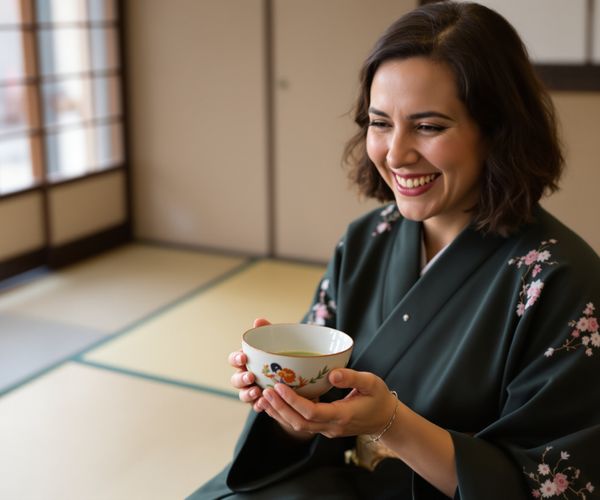
There are tons of resources available. Online guides and travel blogs are a great starting point. Don't underestimate the power of a good old-fashioned guidebook either! Documentaries and even well-made travel vlogs can also offer valuable insights. For example, if I'm planning a trip to Japan, I'll devour anything I can find about Japanese tea ceremonies or the art of bowing.
Understanding cultural nuances can significantly minimize the chances of unintentional offenses. Knowing when to tip, how to greet someone, or what topics to avoid in conversation can make all the difference. It shows that you've made an effort to understand and respect their culture.
Also, I always recommend checking the social media channels of local institutions like museums, libraries, or art galleries. They often share fascinating insights into local culture and current events. And don't forget to follow local writers, artists, and other creatives! They offer a unique perspective on their culture and can provide valuable tips and recommendations.
The Power of Language: Speaking the Local Tongue
Okay, I know learning a new language can seem daunting, but even a few basic phrases can go a long way. Learning to say hello ('hola' in Spanish, 'hallo' in German!), please, thank you, and excuse me in the local language is an absolute must.
Beyond the practicalities, attempting to speak the local language shows respect and fosters positive connections. Locals appreciate the effort, even if your pronunciation isn't perfect. It opens doors to conversations and experiences you might otherwise miss.
There are so many fantastic resources for language learning these days. Language courses, apps like Duolingo, and phrasebooks are all great options. Even just watching foreign films with subtitles can help you pick up some basic vocabulary and pronunciation.
And honestly, accuracy is often secondary to the effort. People generally appreciate that you're trying! I've found that even my most mangled attempts at speaking a new language have been met with smiles and encouragement. It can inspire people to be more helpful and engaged, which is always a bonus!
Decoding Social Cues and Customs
Beyond language, being aware of social cues and customs is crucial. This includes everything from greetings and gestures to body language and dining etiquette. What might be perfectly acceptable in one culture could be considered rude or offensive in another.
For example, in some cultures, direct eye contact is seen as a sign of respect, while in others, it's considered aggressive. Dining etiquette varies widely too. In some countries, it's rude to start eating before everyone else is served, while in others, it's perfectly acceptable. Gift-giving customs also differ significantly. Knowing what types of gifts are appropriate and how to present them can save you from embarrassment.
One of the best ways to learn about social cues and customs is to simply observe the locals. Watch how they interact with each other, how they dress, and how they behave in different situations. Follow their lead and try to adapt your behavior accordingly. It's like being a cultural chameleon!
Regarding dress codes, it's always best to err on the side of modesty, especially when visiting religious sites or conservative areas. Researching local customs around modesty is also important. Regarding religion, be aware of religious practices and customs, such as prayer times and dietary restrictions. Avoid eating, drinking, or smoking in public during fasting periods, and be respectful of religious symbols and rituals.
Finally, be aware of taboos and sensitive topics. What might be a harmless joke in one culture could be deeply offensive in another. Avoid discussing politics, religion, or personal matters unless you know the person well and are confident that it's appropriate.
Navigating Sacred Spaces with Reverence
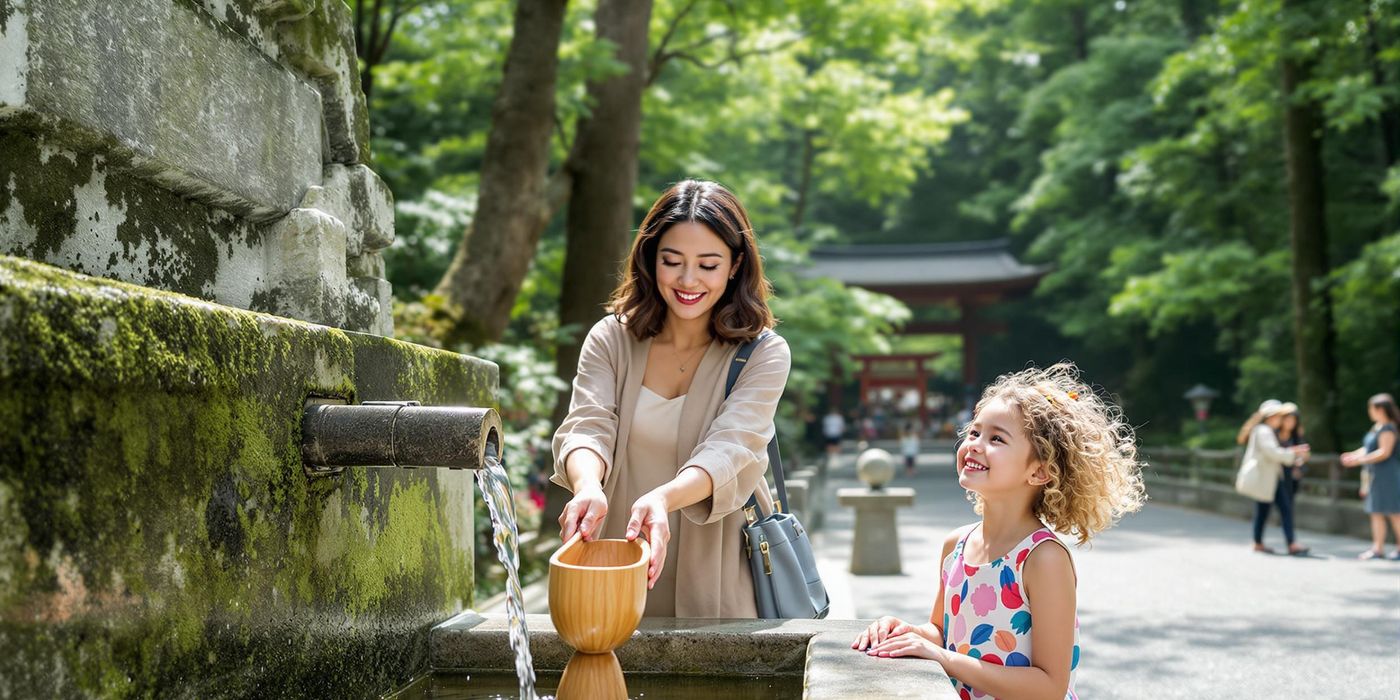
Visiting sacred places is often a highlight of any trip, but it's essential to approach these sites with the utmost respect. Whether it's a grand cathedral, a serene temple, or a humble shrine, remember that these are places of worship and spiritual significance.
Before entering a religious site, take the time to learn about any specific guidelines or requirements. This might include dressing modestly, removing your shoes, covering your head, or refraining from speaking loudly. Follow these guidelines carefully and be mindful of your behavior at all times.
Be especially mindful of religious customs and traditions. Avoid interrupting prayer times, and be respectful of any dietary restrictions or other observances. If you're unsure about something, it's always best to ask a local or a site official for guidance.
Also, be very careful about taking photos. Some religious sites prohibit photography altogether, while others may have restrictions on when and where you can take pictures. Always ask for permission before taking photos, and never use flash photography, as it can be disruptive and disrespectful.
One last thing: be aware of local customs regarding the use of your left hand. In some cultures, the left hand is considered unclean and should not be used for interacting with others or handling objects. Always use your right hand for these purposes, or both hands if you're offering something heavy.
Learn the importance of cultural etiquette when traveling and how to navigate new destinations with respect and sensitivity. Tips on researching norms, language, and customs.