Hello, fellow travelers! Carmen here, ready to share some insights gleaned from my years of globetrotting – often with my wonderful, if sometimes bewildered, family in tow. As a Spaniard living in Germany, I've learned a thing or two about navigating cultural differences. It's not always easy, but it's always enriching. So, pack your bags (metaphorically, for now) and let's explore the art of traveling with an open mind.
The Essence of Open-Minded Travel
What does it really mean to be open-minded when you travel? For me, it's about shedding preconceived notions and embracing the unknown with curiosity. It’s about recognizing that the way we do things at home isn't the only – or even necessarily the best – way. It's about understanding that every culture has its own unique history, values, and customs that have shaped its people and their way of life.
I remember our first trip to Japan. We were so used to boisterous greetings and hearty handshakes that the reserved bows initially felt a bit distant. But as we learned more about Japanese culture, we realized that the bow was a sign of deep respect and consideration. It was a beautiful lesson in understanding that different doesn't mean inferior; it simply means different.
Research and Preparation: Your Cultural Compass
Before you even set foot in a new country, do your homework! A little pre-trip research can go a long way in preparing you for cultural differences. Read travel blogs, consult guidebooks, and explore cultural websites. Understanding basic customs, traditions, and etiquette can help you avoid unintentional offense and show respect for your host culture.
And don't underestimate the power of language! Learning a few basic phrases in the local language can make a world of difference. Even a simple “hello,” “thank you,” or “excuse me” can open doors and show that you're making an effort to connect with the local people. I always try to learn at least a few phrases – even if my pronunciation is atrocious! The locals always appreciate the effort, and it often leads to delightful conversations.
Observation and Immersion: Learning from Locals
Once you arrive, become an observer. Pay attention to how locals interact with each other, how they dress, and how they behave in public spaces. Notice the unspoken rules and social cues that govern their interactions. This is especially important when it comes to things like personal space, eye contact, and physical touch.
Don't be afraid to strike up conversations with locals! Ask them about their lives, their culture, and their perspectives. Be genuinely interested in what they have to say, and listen with an open heart. You'll be amazed at what you can learn from a simple conversation. I once spent an afternoon chatting with a Berber nomad in Morocco, and his stories gave me a completely new understanding of the country and its people.
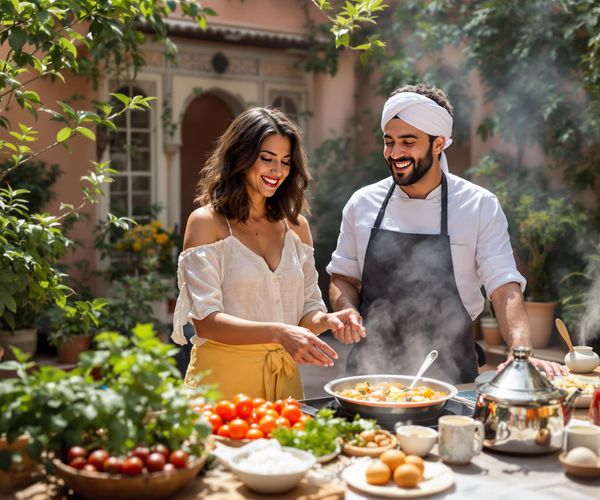
And if you have the opportunity, participate in local traditions and festivals. Immerse yourself in the culture and experience it firsthand. Whether it's learning to cook a traditional dish, dancing to local music, or celebrating a religious holiday, these experiences will give you a deeper appreciation for the richness and diversity of human culture.
Adapting to Unfamiliar Norms: Flexibility is Key
Let's face it: encountering unfamiliar customs and social norms can be challenging. You might find yourself in situations where you're not sure what to do or how to behave. That's okay! The key is to be flexible and adaptable. Be willing to step outside your comfort zone and try new things. And don't be afraid to make mistakes. We all do it!
I remember one particularly awkward moment in China when I accidentally used the wrong chopsticks to serve food to my host. It was a major faux pas, and I was mortified! But my host was gracious and understanding, and we all had a good laugh about it. It was a reminder that cultural misunderstandings happen, and it's important to be able to laugh at yourself and learn from your mistakes.
Adapting to different dining etiquette, dress codes, and communication styles can also be challenging. In some cultures, it's considered rude to eat with your left hand, while in others, it's impolite to show the soles of your feet. Do your research and be mindful of these differences. And when in doubt, observe what the locals are doing and follow their lead.
Avoiding Cultural Missteps: Sensitivity in Action
Of course, even with the best intentions, cultural missteps can happen. It's important to be aware of common cultural misunderstandings and faux pas that travelers should avoid. For example, in some cultures, certain gestures or hand signals can be offensive. In others, certain topics of conversation may be taboo.
It's also important to be respectful when taking photographs. Always seek permission before taking pictures of people, especially in more traditional communities. And be mindful of religious sites and sacred objects. Avoid taking photos that could be considered disrespectful or intrusive.
I always try to be extra sensitive when interacting with people from different cultures. I avoid making assumptions or generalizations, and I try to be mindful of my own biases and prejudices. It's not always easy, but it's important to be aware of our own cultural baggage and how it might affect our interactions with others.
Embracing Diversity: The Beauty of Cultural Differences
Ultimately, traveling with an open mind is about embracing diversity and celebrating the beauty of cultural differences. It's about recognizing that our world is a rich tapestry of cultures, each with its own unique traditions, values, and perspectives.
Don't be afraid to step outside your comfort zone and try new things. Sample the local cuisine, attend a traditional dance performance, or visit a local market. These experiences will broaden your horizons and give you a deeper appreciation for the richness and diversity of human culture.
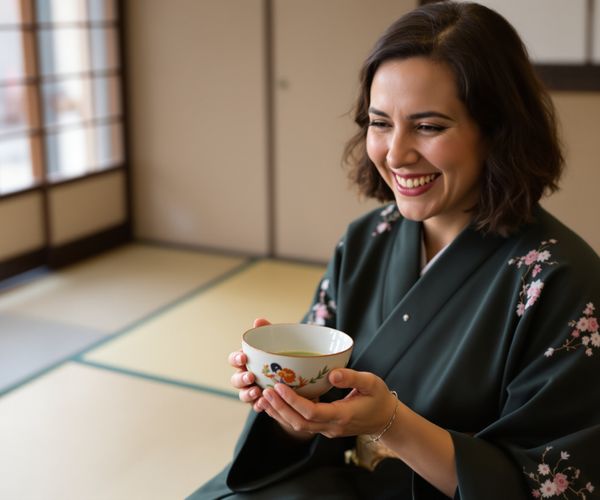
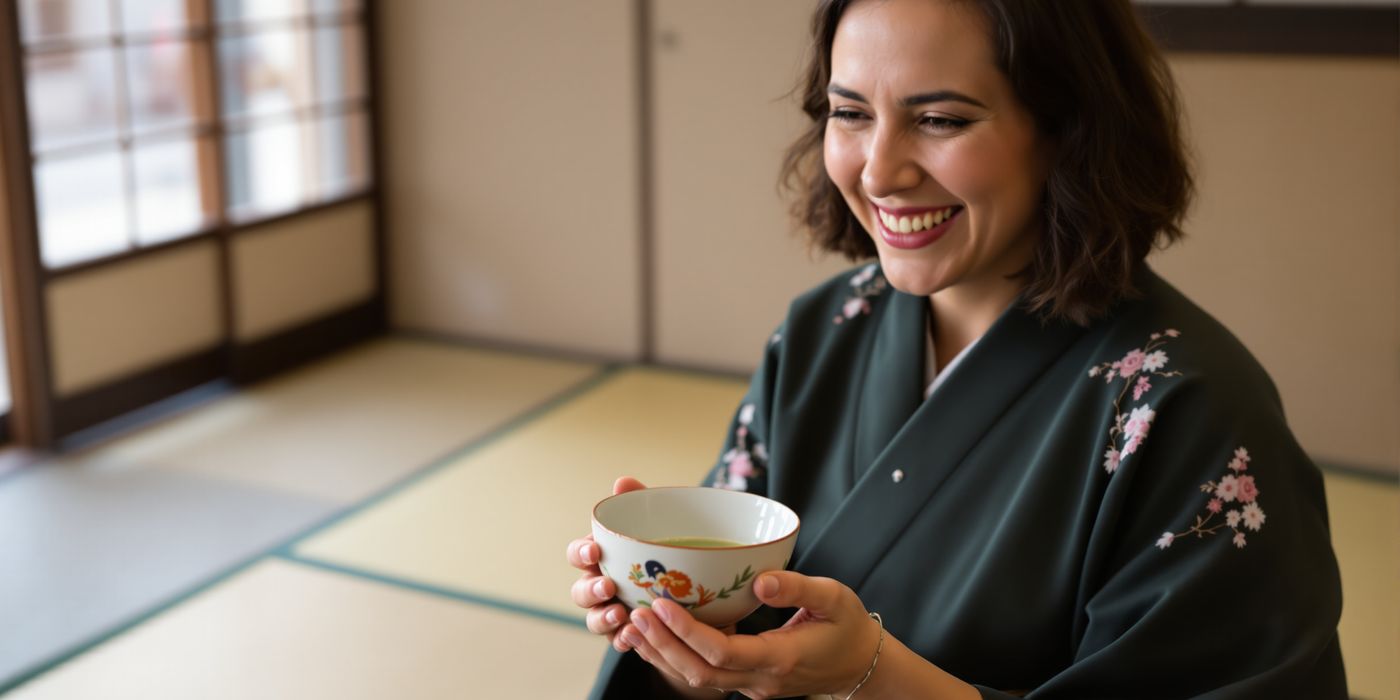
I'll never forget the time we stumbled upon a traditional tea ceremony in Kyoto, Japan. We were invited to participate, and it was an incredibly moving experience. The ceremony was steeped in tradition and symbolism, and it gave us a glimpse into the heart of Japanese culture. It was a reminder that some of the most rewarding travel experiences are the ones that we don't plan.
Family Travel and Cultural Immersion: A Shared Journey
Traveling with children can be a wonderful way to introduce them to different cultures and broaden their horizons. Involving children in cultural immersion experiences can help them develop empathy, understanding, and respect for others.
Look for family-friendly activities that promote cultural understanding, such as cooking classes, language lessons, or visits to local museums and historical sites. And don't be afraid to answer your children's questions about cultural differences. Use these moments as opportunities to teach them about the world and its people.
Sofia, my daughter, is always full of questions when we travel. She's curious about everything, from the food to the clothing to the customs. I try to answer her questions honestly and thoughtfully, and I encourage her to ask questions and explore the world around her. I believe that travel is one of the best ways to educate children and help them become global citizens.
Responsible Tourism: Leaving a Positive Footprint
Finally, it's important to be a responsible tourist and to respect the environment and local communities. Support local businesses and artisans, and try to minimize your negative impact on the environment. Be mindful of your water and energy consumption, and avoid purchasing souvenirs made from endangered species or other unsustainable materials.
I always try to buy locally made products when I travel. It's a great way to support the local economy and to bring home unique souvenirs that remind me of my travels. I also try to be mindful of my environmental impact by using public transportation, avoiding single-use plastics, and respecting local customs and traditions.
Traveling with an open mind is not just about having a more enriching travel experience; it's also about contributing to a more understanding and tolerant world. By embracing cultural differences and respecting local communities, we can all help to create a more positive and sustainable future for travel.
So, go forth and explore! Embrace the unknown, learn from the locals, and celebrate the beauty of cultural diversity. The world is waiting for you with open arms!
Carmen Fernandez shares her insights on navigating cultural differences with an open mind, emphasizing the enriching aspects of cultural diversity in travel.