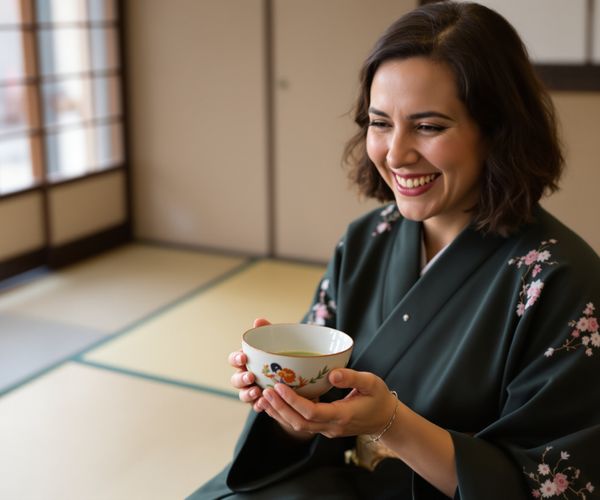
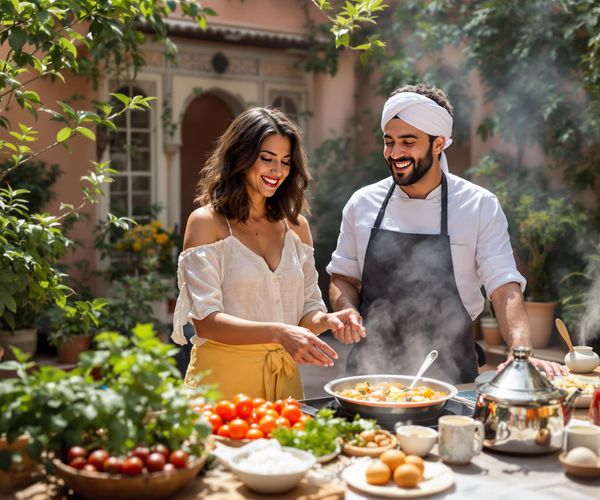
Hola, fellow travelers! Carmen here, ready to whisk you away on a culinary adventure. As a Spaniard living in Germany, I've learned that food is so much more than sustenance; it's a passport to understanding a culture's soul. Join me as we explore how to dive into local cuisines like seasoned pros, uncovering hidden flavors and stories along the way.
I truly believe that one of the best ways to experience a new place is through its food. Forget the tourist traps; let's get real, let's get local, and let's get eating!
The Essence of Culinary Travel
Food is the ultimate cultural ambassador. It speaks volumes about a region's history, its people, and their traditions. Think about it: a simple paella in Valencia tells a story of sun-drenched rice fields and the sea's bounty. A hearty Sauerbraten in the Rhineland whispers tales of generations perfecting the art of marinating beef. Each bite is a lesson in history, a brushstroke in the vibrant painting of local identity.
I remember once, while visiting a small village near Teruel, my hometown, I stumbled upon a tiny, family-run restaurant. The owner, a woman named Elena, insisted I try her Abuela's (grandmother's) recipe for gazpacho. As I savored the cool, refreshing soup, bursting with the flavors of ripe tomatoes and peppers, Elena shared stories of her grandmother, who had learned the recipe during the Spanish Civil War, using whatever ingredients she could find. That gazpacho wasn't just a meal; it was a connection to the past, a testament to resilience, and a reminder that even in the darkest of times, food can bring people together.
Finding Authentic Local Eateries
Tired of the same old tourist menus? Let's ditch the predictable and discover the real culinary heart of a place. The key is to venture beyond the well-trodden paths and seek out the eateries where locals gather. Forget the glossy brochures; your best allies are the people who live and breathe the local culture.
First, do your homework. Before you even pack your bags, dive into local blogs, online forums, and social media groups. Look for recommendations from locals – they know the hidden gems that no guidebook will ever reveal. Don't be afraid to ask for advice! Hotel staff, taxi drivers, and even the friendly barista at your neighborhood coffee shop can point you in the right direction.
In Spain, I always look for bars with jamón hanging from the ceiling and lively chatter spilling out onto the street. In Germany, I seek out Brauhäuser (breweries) with long wooden tables and the aroma of freshly brewed beer and hearty fare. These are the places where you'll find authentic flavors and genuine local atmosphere.
One of my favorite memories is discovering a tiny tapas bar in Seville, tucked away in a maze of narrow streets. The owner, a jovial man named Antonio, greeted us with a warm smile and a plate of his famous gambas al ajillo (garlic shrimp). The shrimp were so fresh and flavorful, and the atmosphere was so convivial, that we ended up spending the entire evening there, chatting with locals and savoring every bite. In Bonn, I found a small restaurant that serves Halve Hahn, a traditional dish that is simple, yet delicious. It's these experiences that truly enrich your travels.
Navigating Local Markets Like a Seasoned Traveler
Local markets are a feast for the senses, a vibrant tapestry of colors, sounds, and smells. They're also a fantastic place to immerse yourself in the local culture and discover unique ingredients that you won't find anywhere else.
When you visit a local market, don't just be a passive observer. Engage with the vendors, ask questions about their produce, and don't be afraid to try something new. Bargaining is often expected, but always do so respectfully and with a smile. Remember, you're not just buying food; you're supporting local farmers and artisans.
In Spain, I love visiting the Mercado Central in Valencia, a stunning Art Nouveau building filled with stalls overflowing with fresh seafood, ripe fruits, and aromatic spices. In Germany, I enjoy exploring the local Wochenmarkt (weekly market) in Bonn, where I can find everything from freshly baked bread to locally grown vegetables.
I once tried bargaining for saffron at a market in Valencia, and the vendor, a wizened old woman with a twinkle in her eye, ended up giving me a small bag for free, along with a recipe for paella. It's these small interactions that make traveling so special.
Participating in Cooking Classes and Workshops
Want to take your culinary journey to the next level? Then roll up your sleeves and get cooking! Participating in a local cooking class or workshop is a fantastic way to learn about the culinary techniques and traditions of a region firsthand.
Cooking classes not only teach you how to prepare local dishes but also provide insights into the cultural significance of the ingredients and cooking methods. You'll learn about the history of the food, the stories behind the recipes, and the importance of sharing meals with family and friends.
I once took a paella-making class in Valencia, and it was an absolute blast. I learned how to properly prepare the rice, how to select the freshest seafood, and how to create the perfect socarrat (the crispy crust at the bottom of the pan). More importantly, I learned about the importance of paella in Valencian culture and the tradition of sharing it with loved ones.
Understanding the History and Cultural Context of Local Dishes
Food is more than just fuel; it's a story waiting to be told. Understanding the history and cultural context of a dish can significantly enhance your dining experience and deepen your appreciation for the local culture.
Take, for example, the German dish Sauerbraten. This hearty marinated beef stew has roots that stretch back to Roman times, when meat was preserved in vinegar to make it last longer. Over the centuries, the recipe evolved, incorporating local ingredients and reflecting the changing tastes of the region. Knowing this history adds another layer of appreciation to every bite.
Similarly, the Spanish dish gazpacho has a fascinating history. Originally a simple peasant dish made with stale bread, water, and olive oil, it evolved over time with the addition of tomatoes and peppers, becoming the refreshing summer soup we know and love today. Understanding its humble origins makes it even more satisfying to savor.
Decoding Menus and Ordering Like a Local
Navigating a menu in a foreign language can be daunting, but it's also an opportunity to discover new and exciting dishes. Don't be afraid to ask for help! Most restaurants are happy to explain their menu and recommend local specialties.
Look for dishes that feature local ingredients and seasonal produce. These are often the freshest and most flavorful options. Pay attention to the descriptions of the dishes and try to decipher any unfamiliar terms. A quick search on your phone can often provide helpful clues.
In Spain, look for dishes like paella, tapas, and jamón ibérico. In Germany, try Sauerbraten, Schnitzel, and Currywurst. And don't forget to ask about the local beer or wine!
Food Etiquette and Customs
Respecting local food etiquette and customs is essential for a positive and enriching culinary experience. Dining practices vary widely across cultures, and it's important to be aware of these differences to avoid unintentionally causing offense.
In some cultures, it's customary to eat with your hands, while in others, it's considered impolite. In some countries, it's expected to leave a tip, while in others, it's not. In some cultures, it's considered rude to refuse food offered by your host, while in others, it's perfectly acceptable.
Before you travel, do some research on the local food etiquette and customs. Pay attention to how locals behave in restaurants and try to follow their lead. And most importantly, be respectful and appreciative of the local culture.
For instance, in Spain, it's common to share tapas with your friends and family, and it's considered polite to offer a taste of your dish to others. In Germany, it's customary to make eye contact when clinking glasses and to say Prost! (Cheers!).
So, there you have it – my guide to experiencing local cuisine like a pro. Remember, food is more than just sustenance; it's a window into a culture's soul. Embrace the adventure, be open to new experiences, and don't be afraid to try something new. ¡Buen provecho! Guten Appetit!
Explore how to delve into local cuisines during your travels, with tips on finding authentic food experiences and understanding culinary traditions.