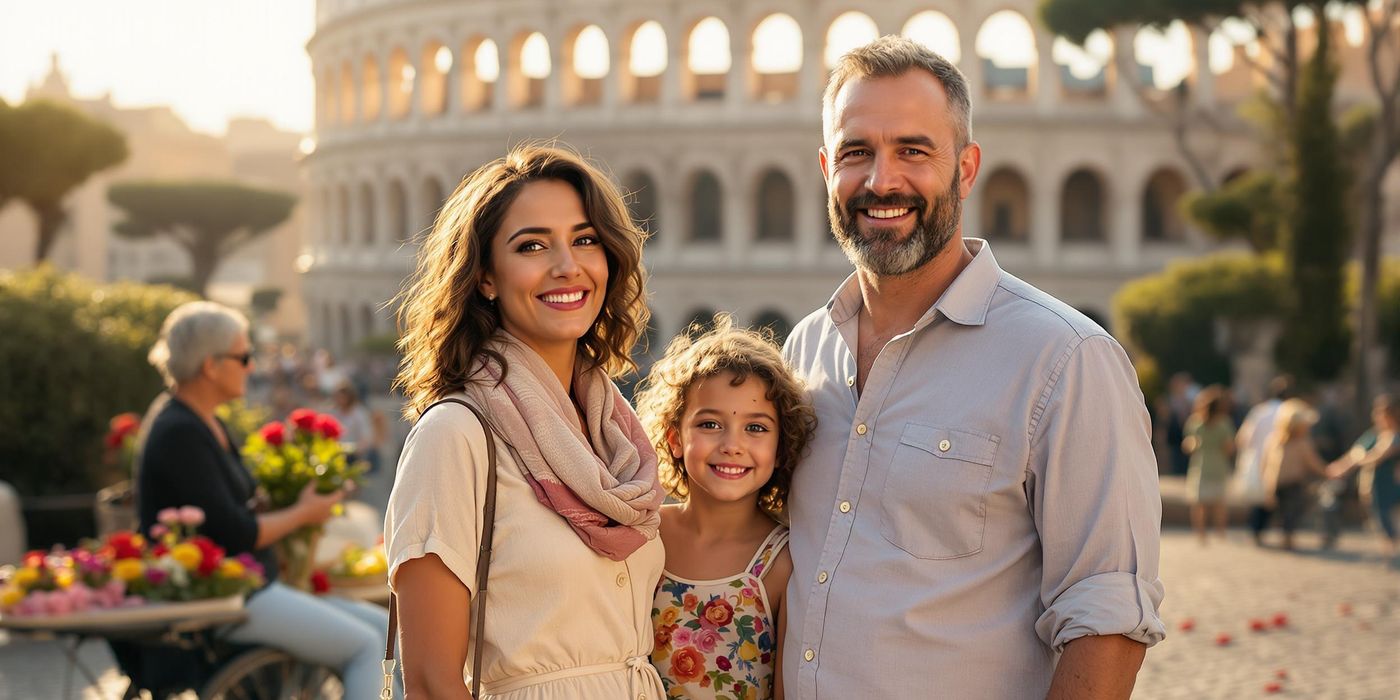
Hello fellow travelers! Carmen here, your friendly neighborhood librarian and photography enthusiast. When I'm not surrounded by dusty tomes and historical documents, you can find me exploring the world with my family, camera in hand, ready to capture the essence of each unique place. Today, I want to share some of my favorite tips for taking stunning travel photographs, blending my love for storytelling with practical photography advice.
The Librarian's Eye: Seeing Stories in Every Scene
My background as a librarian definitely shapes how I approach travel photography. It's not just about snapping pretty pictures; it's about understanding the story behind a place. Before I even pack my bags, I dive into research. I want to know the history, the culture, the local legends. This knowledge informs what I choose to photograph and how I frame each shot.
For example, when we visited Rome last year, I didn't just want to photograph the Colosseum. I wanted to understand its significance, the gladiatorial contests, the political power it represented. Reading about it beforehand allowed me to capture images that hopefully conveyed more than just the building's grandeur, but also its historical weight.
Finding the narrative is key. Look for details that tell a story – a weathered door, a street performer's expressive face, an elderly woman selling flowers. These are the elements that bring a place to life and make your photographs truly memorable.
Mastering Composition: Framing Your Travel Tales
Once you have a story in mind, it's time to think about composition. Here are a few simple techniques that can make a big difference:
- Rule of Thirds: Imagine dividing your frame into nine equal parts with two horizontal and two vertical lines. Place your subject at one of the intersections or along one of the lines for a more balanced and visually appealing composition.
- Leading Lines: Use lines – roads, rivers, fences – to draw the viewer's eye into the scene. They create depth and guide the viewer on a visual journey.
- Symmetry and Patterns: Look for symmetrical compositions in architecture or repeating patterns in nature. They can create striking and visually satisfying images.
- Angles and Perspectives: Don't be afraid to experiment with different angles. Get down low, climb up high, or shoot from an unusual perspective to add dynamism and interest to your photographs.
The Dance of Light: Capturing the Mood of a Place
Light is everything in photography. It can transform an ordinary scene into something magical. Here's what I've learned about harnessing the power of light:
- Natural Light: Pay attention to the quality of natural light. Soft, diffused light is generally more flattering than harsh, direct sunlight.
- Golden Hour: The hour after sunrise and the hour before sunset are known as the golden hours. During these times, the light is warm, soft, and golden, creating beautiful, flattering light for portraits and landscapes.
- Midday Light: Harsh midday light can be challenging. Try to find shade or use a diffuser to soften the light. You can also use this light to your advantage by capturing high-contrast scenes with strong shadows.
- Low Light and Night Photography: Don't be afraid to shoot in low light or at night. Use a tripod to keep your camera steady and experiment with long exposures to capture the movement of light.
People in Places: Photographing Culture with Respect
Photographing people can be one of the most rewarding aspects of travel photography, but it's important to do it with respect and sensitivity.
- Respect and Authenticity: Always be respectful of the local culture and customs. Ask for permission before photographing someone, especially in more traditional communities.
- Candid Moments: Look for candid moments that reflect genuine emotions and interactions. These are often the most compelling and authentic photographs.
- Blending In: Try to blend in with the environment to avoid disrupting natural scenes. Dress appropriately and be mindful of your body language.
- Cultural Sensitivities: Be aware of cultural sensitivities. Some people may not want to be photographed for religious or cultural reasons. Always respect their wishes.
Gear and Gadgets: Essential Tools for Travel Photography
You don't need the most expensive equipment to take great travel photographs. However, having the right gear can make a difference.
- Camera and Lenses: Choose a camera that suits your needs and budget. A mirrorless camera or a DSLR with interchangeable lenses is a good option for travel photography. A zoom lens is versatile and allows you to capture a variety of subjects.
- Zoom Lens: A zoom lens, such as an 18-200mm or 24-120mm, is a great choice for travel photography because it allows you to capture a wide range of subjects without having to change lenses constantly.
- Lightweight Travel Tripod: A lightweight travel tripod is essential for low-light conditions and self-portraits. Look for one that is compact and easy to carry.
- Other Accessories: Other useful accessories include filters (such as a polarizing filter to reduce glare and a neutral density filter to control exposure), extra batteries, and memory cards.
Practical advice on capturing memorable travel photographs, emphasizing storytelling and historical context.