In a world that glorifies speed and efficiency, the concept of slow travel offers a refreshing alternative. It's about savoring each moment, connecting deeply with the places you visit, and embracing the unexpected detours along the way. As a librarian with a penchant for history and a love for cultural immersion, I've discovered that slow travel isn't just a way to see the world; it's a way to experience it.
Discovering the Essence of Slow Travel
Slow travel is a mindset, a conscious decision to prioritize quality over quantity. It's a departure from the whirlwind tours that cram multiple cities into a single week, leaving you with a blur of landmarks and a sense of exhaustion. Instead, it's about choosing a destination, or perhaps just a region, and delving into its heart and soul.
It's about shifting your focus from ticking off famous sites to fostering genuine connections with the people and the culture. It's about taking the time to wander through local markets, learn a few basic phrases in the local language, and share a meal with a family who welcomes you into their home. It's about mindful exploration, where you fully engage your senses and allow yourself to be present in the moment.
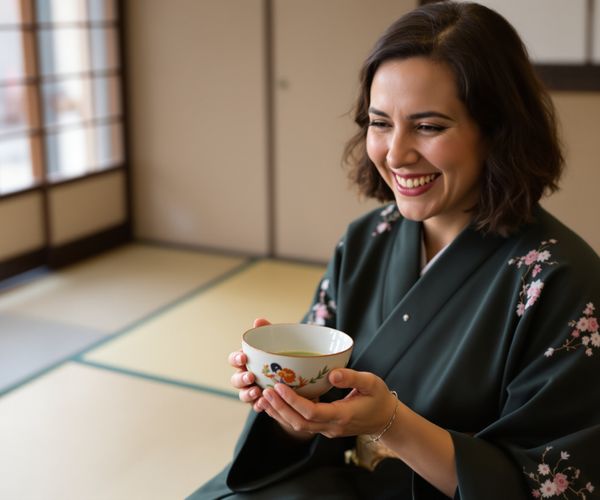
I remember a transformative slow travel experience I had in my homeland, Spain. I spent a week in Teruel, a small city in Aragon, known for its Mudéjar architecture and its vibrant ceramics tradition. Instead of rushing through the sights, I dedicated my time to connecting with local artisans. I visited their workshops, learned about their craft, and even tried my hand at pottery. Those interactions, those shared moments of creativity and connection, are what truly made the trip unforgettable.
The Allure of Extended Stays: Bonn as a Case Study
One of the key elements of slow travel is spending more time in a single location. Instead of flitting from city to city, consider settling down in one place for a week, a month, or even longer. This allows you to truly immerse yourself in the local culture, to discover the hidden gems that lie beyond the tourist trail, and to develop a deeper appreciation for the rhythms of daily life.
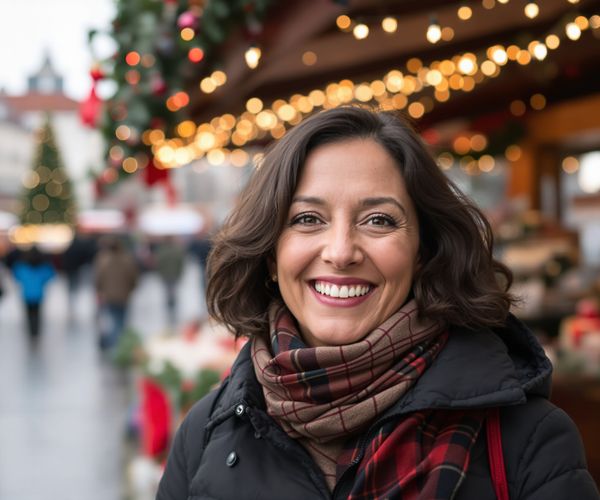
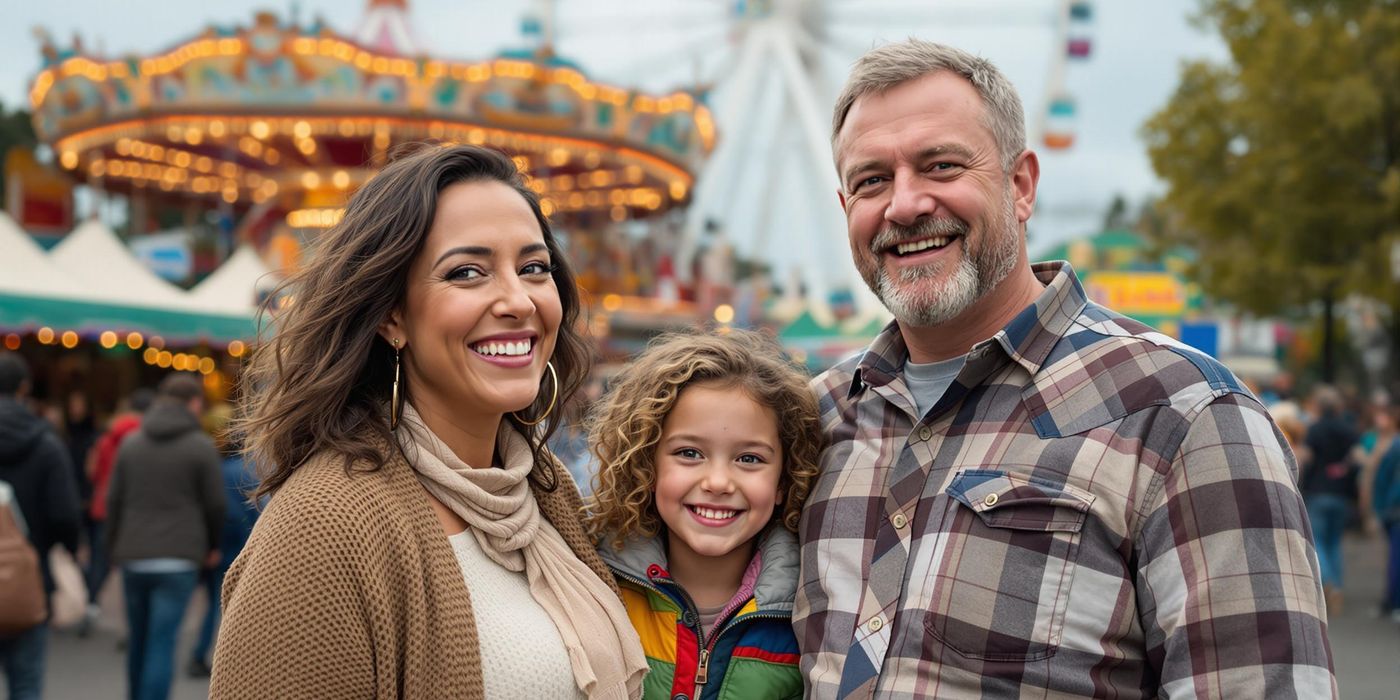
My family and I have made Bonn, Germany our home for several years now, and even though it's not my birth place, exploring it over an extended period has allowed me to uncover its many layers. I've discovered charming cafes tucked away on cobblestone streets, learned the best spots for a picnic along the Rhine, and even become a regular at the local farmers market. I've had the time to learn about the local traditions, like the Pützchens Markt, a vibrant fair that takes place every September. The experience is so much fun, with exhilarating rides and local delicacies. It's these experiences, these small moments of connection, that make a place feel like home.
Unveiling the Advantages: Why Choose Slow Travel?
The benefits of slow travel are numerous and far-reaching. It reduces stress, enhances well-being, and fosters deeper connections with people and places. When you're not rushing from one sight to the next, you have more time to relax, to breathe, and to simply be present in the moment. This can lead to a greater sense of calm and contentment, as well as a deeper appreciation for the beauty that surrounds you.
Slow travel also promotes sustainability and supports local economies. By choosing locally owned accommodations, eating at local restaurants, and buying souvenirs from local artisans, you're directly contributing to the well-being of the community. You're also reducing your carbon footprint by traveling less frequently and relying on public transportation or other eco-friendly modes of transport.
For me, slow travel has enriched my life in countless ways. It has broadened my perspectives, deepened my understanding of different cultures, and allowed me to forge meaningful connections with people from all walks of life. I've discovered local markets and shops in Bonn, each with its own unique story to tell. These experiences have not only made me a more informed and compassionate traveler but also a more engaged and appreciative citizen of the world.
Crafting Your Slow Travel Itinerary: A Step-by-Step Guide
Planning a slow travel itinerary requires a different approach than planning a traditional vacation. It's about embracing flexibility, spontaneity, and the possibility of the unplanned adventure. Start by choosing a destination that intrigues you, whether it's a region known for its natural beauty, a city with a rich history, or a town with a vibrant cultural scene.
Next, research accommodations that foster local interactions, such as guesthouses, homestays, or apartments in residential neighborhoods. These types of accommodations often provide a more authentic and immersive experience than hotels, and they allow you to connect with locals on a more personal level.
When planning our family trips, I always try to incorporate Sofia's interests into the itinerary. For example, when we visited the Black Forest, we made sure to spend time at the Titi See lake, where she could swim and play. It's about finding a balance between cultural immersion and family-friendly activities.
Engaging with Locals: Building Meaningful Connections
One of the most rewarding aspects of slow travel is the opportunity to connect with locals and foster authentic interactions. This can be as simple as striking up a conversation with a shopkeeper, asking for directions from a passerby, or sharing a meal with a family who invites you into their home.
Learning a few basic phrases in the local language can go a long way in building rapport and showing respect for the local culture. Even if you only know how to say hello, thank you, and please, your efforts will be appreciated.
Participating in local events, workshops, and cultural activities is another great way to connect with locals and learn about their traditions. Attend a cooking class, take a pottery workshop, or volunteer at a local charity. These experiences will not only enrich your understanding of the culture but also provide opportunities to meet like-minded people.
From my experience, a respectful attitude is key. In Spain, I always made sure to greet people with a warm Hola and a smile. In Germany, I learned to appreciate the importance of punctuality and directness. There are also many resources available for meeting locals and expats. Couchsurfing is a great platform for finding free accommodation and connecting with locals who are willing to share their homes and their knowledge. Meetup.com is another useful resource for finding local groups and events that align with your interests. Facebook Expat groups can also be a valuable source of information and support.
Savoring the Journey: Embracing the Unexpected
Finally, remember to embrace the unexpected and be open to serendipitous encounters. Some of the most memorable travel experiences arise from spontaneous decisions and unplanned detours. Be willing to change your plans, to get lost in a new city, and to say yes to new opportunities.
I recall a time when I was hiking in the Siebengebirge mountains near Bonn. I had planned to follow a specific trail, but I accidentally took a wrong turn. Instead of getting frustrated, I decided to embrace the detour. I ended up stumbling upon a hidden waterfall, a sight that I would have never seen if I had stuck to my original plan. It was a reminder that sometimes, the best experiences are the ones we don't plan.
Slow travel is about savoring each moment and appreciating the beauty of the present. It's about slowing down, connecting deeply, and allowing yourself to be transformed by the experience. So, the next time you plan a trip, consider embracing the art of slow travel. You might just discover a whole new way of seeing the world.
Discover the art of slow travel: connect deeply, embrace the unexpected, and savor each moment. Learn how to plan enriching, sustainable journeys.