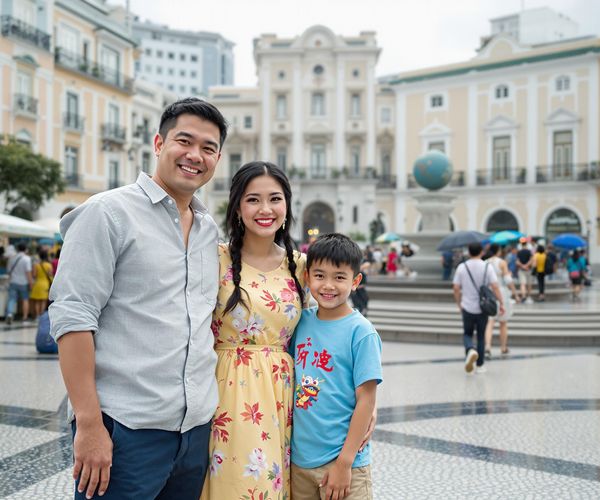
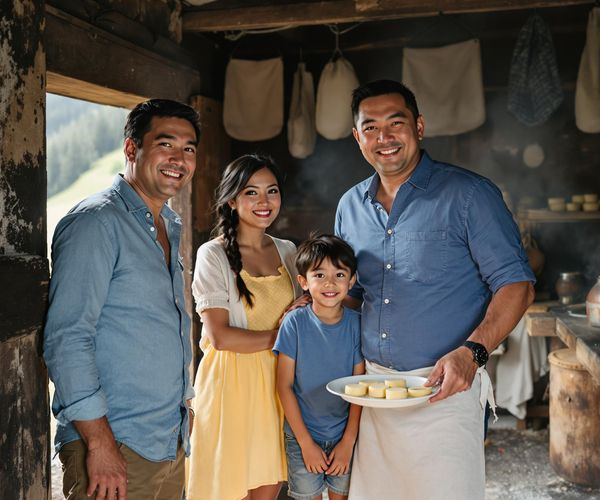
From the bustling street food stalls of Macau to the Michelin-starred restaurants of Zurich, my life has been a delicious journey of cultural discovery. As a financial analyst specializing in Asian markets, I spend my days crunching numbers, but my true passion lies in exploring the world, one bite at a time. Join me as I share my insights on how culinary arts can transform your travels into unforgettable cultural experiences.
The Growing Appetite for Culinary Travel
It's no secret that culinary travel is booming. What was once a niche interest has become a mainstream phenomenon, with foodies flocking to destinations near and far in search of unique gastronomic adventures. Tourism is increasingly driven by the desire to experience authentic culinary offerings, particularly among younger generations who see food as a vital part of their travel experience.
Reports indicate a significant upswing in culinary tourism, with travelers spending a considerable portion of their budgets on food-related activities. This surge in interest has not only fueled the growth of food tours and cooking classes but has also prompted destinations to highlight their culinary heritage as a key attraction.
Unlocking Culture Through Cuisine
Food is more than just sustenance; it's a powerful lens through which we can understand a culture's history, traditions, and values. Each dish tells a story, reflecting the unique environment and the people who have shaped it over generations.
The concept of 'terroir,' often associated with wine, also applies to food. The local ingredients, influenced by the climate, soil, and geography, impart a distinct character to regional cuisine. For example, the creamy polenta of Northern Italy is inextricably linked to the region's cornfields, while the fiery curries of Thailand owe their intensity to the locally grown chilies. These aren't just ingredients; they're expressions of the land itself.
Consider the significance of dim sum in Cantonese culture. More than just a meal, it's a social ritual, a time for families and friends to gather and connect over steaming baskets of dumplings and tea. Or think about the importance of cheese in Swiss culture, each variety representing a different region and its unique traditions. These culinary traditions are woven into the fabric of daily life, offering a taste of the destination's soul.
Finding Authentic Culinary Experiences
In a world saturated with tourist traps, seeking out authentic culinary experiences requires a bit of effort and a willingness to venture off the beaten path. The best meals are often found in unassuming, family-run restaurants where recipes have been passed down through generations.
Before you go, do your research. Local food blogs and travel guides can be invaluable resources, providing insider tips on hidden gems and local favorites. Don't hesitate to ask locals for recommendations; they're usually more than happy to share their favorite spots. Look for places where locals dine – that's always a good sign.
The Joy of Cooking Classes Abroad
Taking a cooking class while traveling is one of the most rewarding ways to immerse yourself in a new culture. It's a hands-on experience that goes beyond simply tasting the food; you'll learn about the ingredients, techniques, and traditions that make each dish unique.
Cooking classes offer a deeper connection to the local culture, allowing you to interact with chefs and fellow food enthusiasts. You'll gain a newfound appreciation for the effort and artistry that goes into creating authentic cuisine. Plus, you'll acquire new skills and recipes to bring home, allowing you to recreate your travel experiences in your own kitchen.
When choosing a cooking class, look for reputable schools that focus on local cuisine and use fresh, seasonal ingredients. Read reviews and ask about the instructor's experience and teaching style. A good cooking class should be both informative and fun, providing a memorable and enriching cultural experience.
Food Tours: A Guided Gastronomic Adventure
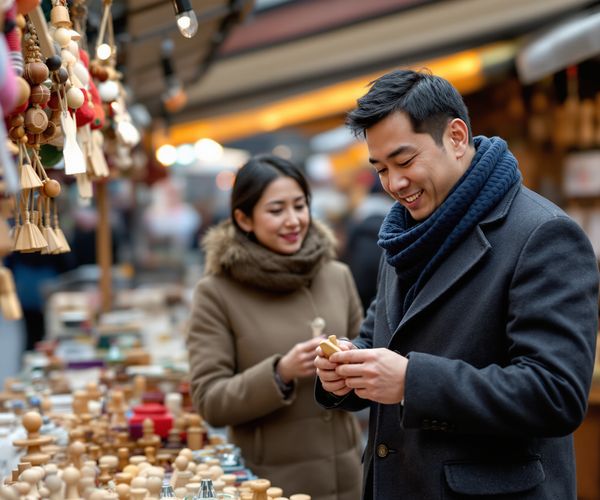
Food tours are a fantastic way to explore a destination's culinary scene with the guidance of a knowledgeable local. These tours provide access to hidden gems and local favorites that you might not discover on your own.
From street food tours that introduce you to the vibrant flavors of local markets to market tours that showcase the region's fresh produce, there's a food tour for every palate and interest. Themed culinary walks can focus on specific dishes or culinary traditions, offering a deeper dive into the destination's gastronomic heritage.
Savoring Local Ingredients: From Market to Table
One of the most rewarding aspects of culinary travel is the opportunity to appreciate local ingredients and seasonal produce. Visiting local markets and interacting with farmers and producers provides a unique glimpse into the region's agricultural practices and culinary traditions.
Understanding the origin of ingredients enhances the culinary experience, allowing you to appreciate the connection between the land and the food on your plate. When you savor a perfectly ripe tomato or a fragrant herb, you're tasting the essence of the region.
Sustainability in Culinary Travel
As culinary travel becomes more popular, it's essential to consider the environmental and social impact of our choices. Sustainable culinary practices and responsible dining are gaining traction, with travelers seeking out restaurants and businesses that prioritize local sourcing, zero-waste initiatives, and ethical practices.
Supporting local farmers, reducing food waste, and choosing restaurants that treat their employees fairly are all ways to minimize your environmental impact and contribute to the well-being of the communities you visit. By making conscious choices, you can ensure that your culinary adventures are both delicious and sustainable.
Personal Anecdotes: Culinary Adventures Around the World
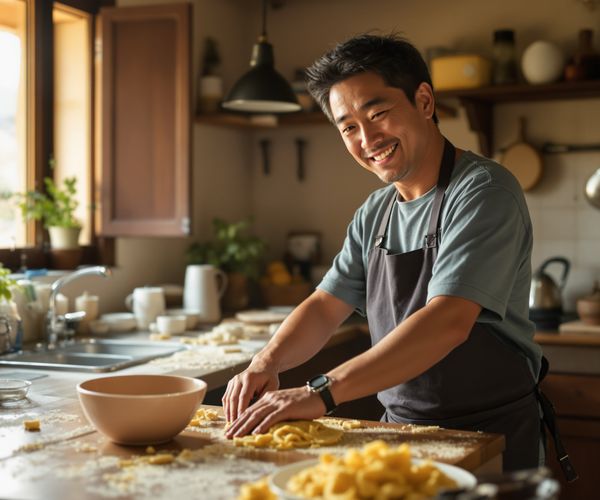
My culinary adventures have taken me to some incredible places, each experience leaving a lasting impression. One of my most memorable cooking classes was in a small village in Tuscany, where I learned to make pasta from scratch with a Nonna who had been doing it for over 60 years. The simplicity of the ingredients and the passion of the cook made it an unforgettable experience.
In Kyoto, I joined a food tour that led me through hidden alleyways and traditional tea houses, where I sampled delicate sweets and learned about the art of Japanese cuisine. And in Mexico City, I discovered the vibrant world of street food, from savory tacos al pastor to sweet churros dipped in chocolate.
These experiences have not only broadened my palate but have also deepened my understanding of different cultures and traditions. Food has the power to connect us, to bridge cultural divides, and to create lasting memories. So, the next time you travel, be sure to explore the culinary arts – you might just discover a whole new world.
Explore how culinary arts deepen cultural experiences while traveling, offering a unique taste of each destination. Discover authentic food adventures now!