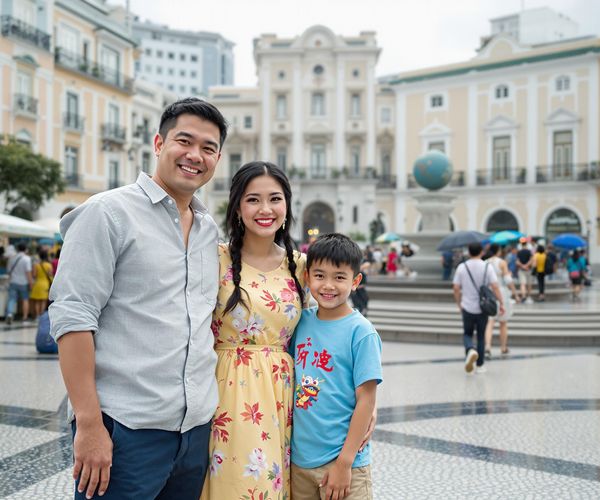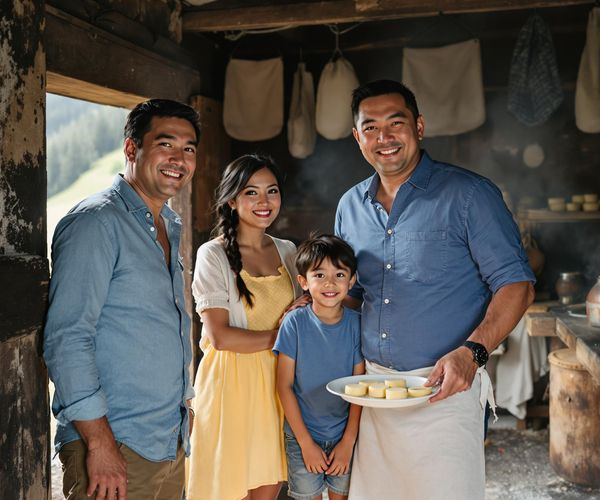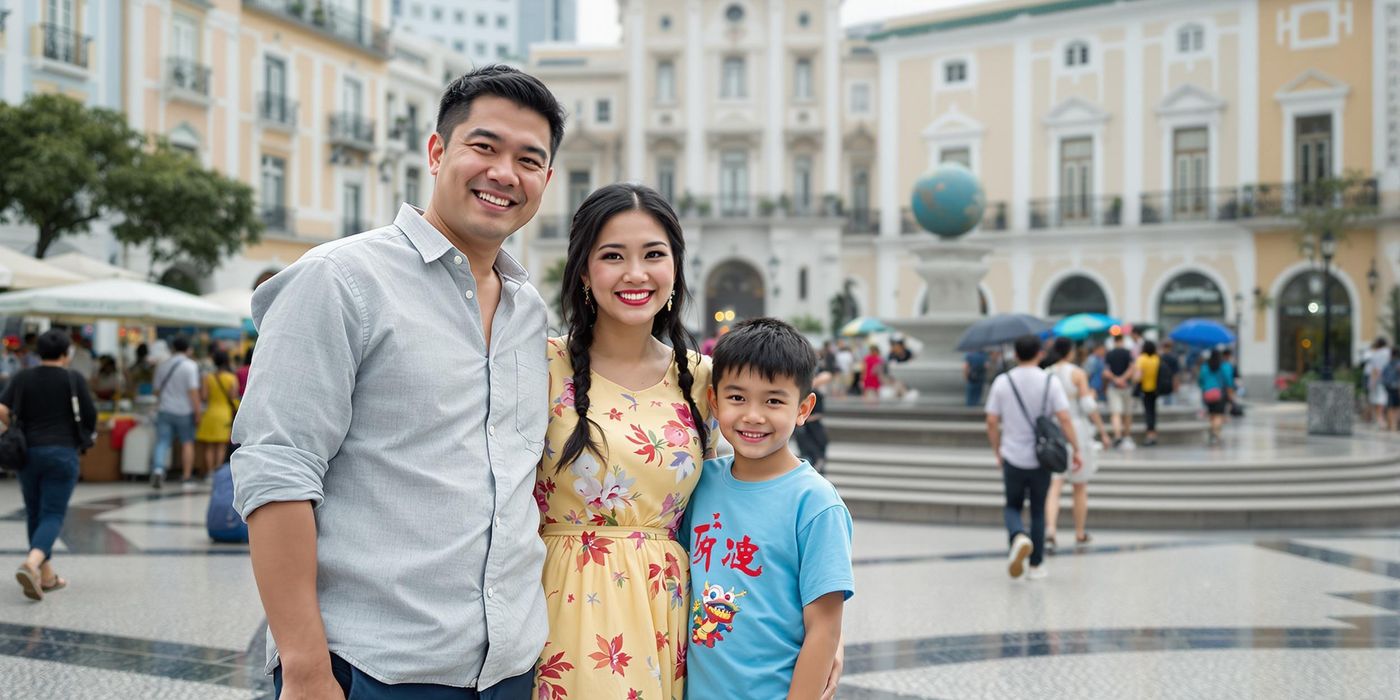
From the vibrant Senado Square in Macau to the serene landscapes of Switzerland, my journey has instilled in me a deep appreciation for cultural diversity. There's no better way to immerse yourself in a new culture than by attending its festivals. They're a kaleidoscope of traditions, colors, and flavors. But to truly experience a festival, you need to participate like a local. Here's my guide to navigating cultural festivals with respect and enthusiasm.
Understanding the Cultural Significance
Before you even pack your bags, do your homework. Cultural festivals are more than just lively events; they are living embodiments of a community's history, values, and beliefs. Research the festival's origins, its purpose, and the traditions that shape it. For example, understanding the significance of the Dragon Boat Festival in Chinese culture, with its roots in commemorating the patriotic poet Qu Yuan, adds layers of depth to the experience.
Delve into the cultural values the festival represents. Is it a celebration of harvest, a religious observance, or a historical commemoration? Knowing this will provide context for the rituals, performances, and customs you'll encounter. Festivals play a crucial role in preserving cultural heritage, passing down traditions from one generation to the next, and fostering a sense of community engagement. Look at the Carnival in Rio de Janeiro, it is not only a party, but also a display of Afro-Brazilian heritage and artistry.
Respecting Local Customs and Etiquette
Every culture has its own set of unspoken rules, and festivals are no exception. Being mindful of local customs and etiquette is paramount to showing respect and ensuring a positive experience for everyone involved.
- Dress codes vary widely. Some festivals may require modest attire, while others embrace elaborate costumes. Research beforehand to ensure you're dressed appropriately.
- Greetings and gestures also differ. A bow, a handshake, or a kiss on the cheek – knowing the appropriate greeting can go a long way in making a good impression.
- Be aware of personal space. What is considered an acceptable distance in one culture may be seen as intrusive in another.
- Photography etiquette is crucial. Always ask permission before taking someone's picture, and be mindful of cultural sensitivities regarding photography in certain locations or situations. Avoid intrusive shots that may disrupt the event or offend participants.
- Familiarize yourself with general rules. Some festivals may have specific rules regarding alcohol consumption, noise levels, or participation in certain activities. Adhering to these rules demonstrates respect for the community and its traditions.
Engaging with Locals Respectfully
One of the most rewarding aspects of attending a cultural festival is the opportunity to connect with locals. However, it's essential to approach these interactions with respect and sensitivity.
- Learning a few basic phrases in the local language, such as hello, thank you, and excuse me, shows that you're making an effort to connect with the community.
- Participate in festival activities with genuine interest. Whether it's learning a traditional dance, trying a local delicacy, or joining a parade, your enthusiasm will be appreciated.
- Avoid cultural stereotypes and misconceptions. Approach each interaction with an open mind and a willingness to learn.
- Show appreciation for local hospitality. A simple thank you or a small gift can go a long way in expressing your gratitude for the warmth and generosity you've received.
Capturing the Essence Through Photography & Writing
Documenting your experiences through photography and writing can be a wonderful way to preserve memories and share your insights with others. However, it's important to do so in a way that is respectful and mindful of the cultural context.
- When photographing vibrant cultural events, focus on capturing the energy and emotion of the moment. Look for interesting details, such as the intricate patterns on a traditional costume or the expressions on people's faces.
- Pay attention to lighting conditions. Early morning and late afternoon often provide the most flattering light for outdoor photography.
- In your writing, document your personal reflections and experiences. What did you learn? How did the festival make you feel? Sharing your unique perspective can help others appreciate the cultural significance of the event.
Supporting the Local Community
Attending a cultural festival is an opportunity to support the local community and contribute to its economic well-being.
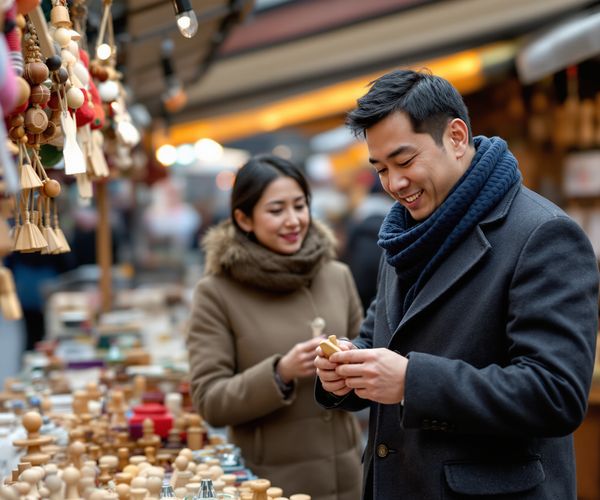
- Purchase local products and crafts. Souvenirs made by local artisans not only make great mementos but also help support their livelihoods.
- Respect traditional food and cuisine. Trying local dishes is a delicious way to experience the culture and support local farmers and vendors.
- Engage with local businesses and vendors. Choose locally owned restaurants, hotels, and tour operators to ensure that your money stays within the community.
- Consider volunteering and participating in community initiatives. Many festivals offer opportunities to volunteer your time and skills, allowing you to give back to the community in a meaningful way.
Learn how to attend and enjoy cultural festivals around the world, gaining unique insights and memorable experiences.