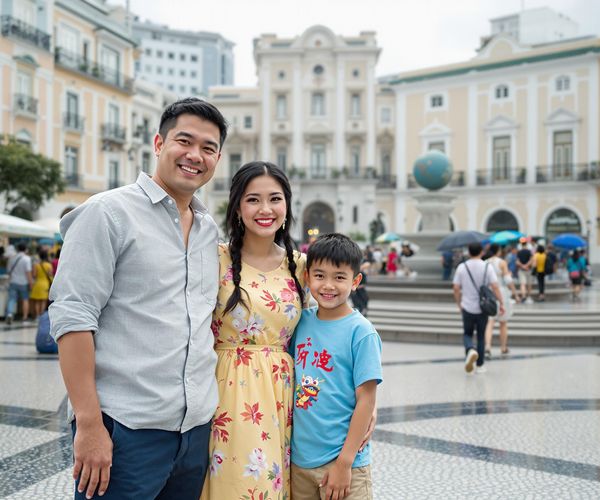
As someone who grew up in the vibrant, culturally rich city of Macau and now calls Zurich home, I've always been fascinated by the power of travel to broaden our horizons and deepen our understanding of the world. But travel, in my opinion, is more than just ticking off famous landmarks; it's about truly immersing yourself in the local culture, connecting with people, and experiencing life as they do. Over the years, I've developed a few techniques that have helped me move beyond superficial tourism and create authentic, meaningful travel experiences. I'm excited to share these with you, in the hope that they inspire your own culturally immersive adventures.
The Essence of Cultural Immersion
What exactly is cultural immersion? It's more than just visiting a place; it's about actively engaging with the local way of life. It's about moving beyond the tourist traps and seeking out genuine experiences that offer insights into the history, values, and traditions of a community. Think of it as trading your tourist lens for a local's perspective.
The difference between superficial tourism and genuine cultural engagement is vast. The former often involves passively observing from a distance, snapping photos of iconic sights without truly connecting with the place or its people. Cultural immersion, on the other hand, is about active participation. It's about trying new foods, learning a few phrases in the local language, attending cultural events, and striking up conversations with residents.
The benefits of cultural immersion are profound. It fosters personal growth by challenging your assumptions and expanding your worldview. It cultivates empathy and understanding by exposing you to different perspectives and ways of life. And it creates lasting memories that go far beyond the typical tourist snapshots.
Language as a Gateway
In my experience, one of the most effective ways to unlock a culture is through language. Even learning a few basic phrases can make a world of difference in how you connect with locals. It shows respect for their culture and a willingness to engage on their terms.
Before traveling to a new destination, I always try to learn some essential phrases like hello, thank you, please, excuse me, and how much does it cost?. These simple phrases can open doors and create opportunities for meaningful interactions.
Living in Switzerland, I've seen firsthand how language skills enhance interactions. While many Swiss people speak English, making an effort to speak Swiss German, even just a little, is always appreciated. I remember once struggling to order a coffee in a small village café. After butchering a few Swiss German phrases, the barista chuckled and patiently helped me, even sharing a local pastry recipe. That brief exchange turned into a delightful conversation about Swiss culture and traditions, something that wouldn't have happened if I hadn't tried to speak the local language. Similarly, when traveling in Asia, using even basic Mandarin or Cantonese phrases bridges the gap and shows respect.
Engaging with Locals
Connecting with locals is at the heart of cultural immersion. It's about stepping outside your comfort zone and initiating conversations with people who live and breathe the culture you're exploring.
One simple strategy is to strike up conversations with people you encounter in your daily travels – the barista at the coffee shop, the vendor at the market, or the person sitting next to you on the train. Ask them about their lives, their work, their favorite things to do in the area. Most people are happy to share their experiences and offer recommendations.
Remember to approach these interactions with respect, curiosity, and active listening. Be genuinely interested in what people have to say, and be mindful of cultural differences in communication styles. It also helps to do some research on local customs beforehand to avoid unintentional offense.
Finding local groups and communities, both online and offline, can also be a great way to connect with people. Look for language exchange groups, cultural organizations, or social clubs that cater to your interests. Attending local events and workshops is another excellent way to meet people who share your passions.
Culinary Adventures
Food is a universal language, and exploring local cuisine is a delicious way to immerse yourself in a culture. It's about more than just eating; it's about understanding the history, traditions, and values that shape a community's culinary identity.
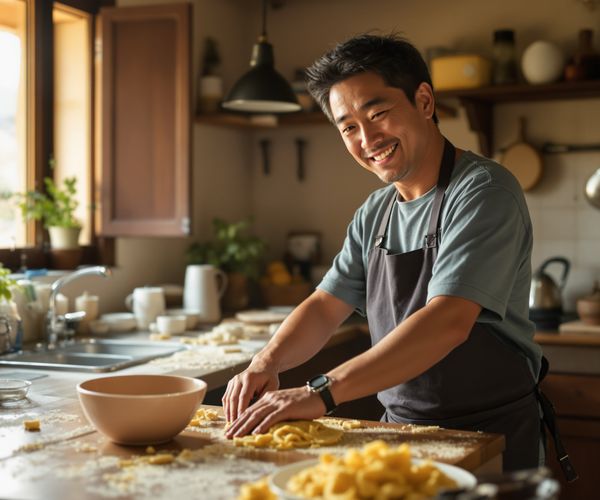
Consider taking a food tour to sample a variety of local specialties and learn about the ingredients and techniques used to prepare them. Sign up for a cooking class to learn how to make traditional dishes yourself. And be sure to dine at local restaurants, away from the tourist crowds, to experience authentic flavors and atmospheres.
I'll never forget a memorable culinary experience I had in Thailand. I stumbled upon a small, family-run restaurant tucked away in a quiet alley. The owner, a cheerful woman named Aoy, welcomed me with open arms and insisted on teaching me how to make her famous Pad See Ew. As we cooked together, she shared stories about her family, her village, and the importance of food in Thai culture. It was a truly immersive and unforgettable experience.
Participating in Cultural Festivals and Events
Cultural festivals and events offer a vibrant and immersive way to experience local traditions and values. These celebrations showcase the unique customs, music, dance, and art of a community, providing a window into its soul.
Before traveling, do some research to find out if there are any festivals or events taking place during your visit. Local tourism websites, community calendars, and social media groups are great resources for finding information.
Some specific festivals around the world that offer unique cultural experiences include Songkran in Thailand, the water festival that celebrates the Thai New Year, and Holi in India, the vibrant festival of colors that marks the arrival of spring. These festivals are not just spectacles to watch; they're opportunities to participate in local traditions and connect with people on a deeper level.
Respecting Local Customs and Etiquette
Understanding and respecting local customs and etiquette is crucial for responsible and culturally sensitive travel. It shows that you value the local culture and are willing to adapt to its norms.
Before traveling to a new destination, take the time to research local customs and traditions. Learn about appropriate dress codes, greetings, dining etiquette, and other social norms. Be aware of any religious or cultural sensitivities, and avoid behaviors that could be considered offensive.
I remember once accidentally causing offense in Japan by sticking my chopsticks upright in a bowl of rice. I later learned that this is a practice reserved for funerals and is considered very disrespectful. Fortunately, my Japanese hosts were understanding and politely explained the custom to me. This experience taught me the importance of being mindful of local customs and being willing to learn from my mistakes.
Supporting Local Communities
Responsible tourism is about more than just avoiding harm; it's about actively supporting local communities and contributing to their well-being. One of the best ways to do this is by supporting local businesses and artisans.
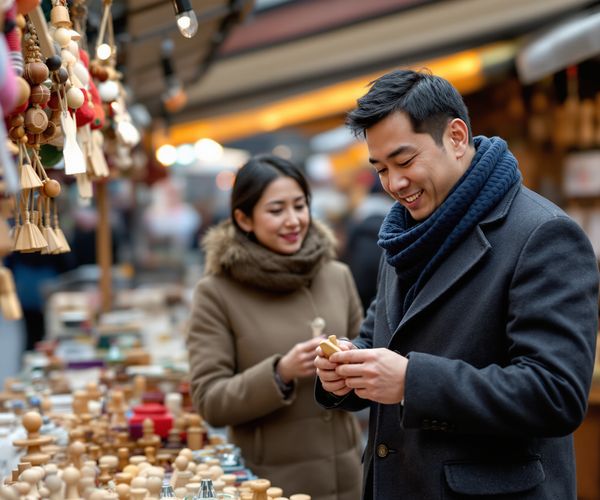
Instead of buying souvenirs from large chain stores, seek out local markets and artisan shops where you can purchase handcrafted goods directly from the makers. This not only supports local economies but also helps preserve traditional crafts and skills.
Choose accommodations that are locally owned and operated, and opt for tour operators that prioritize sustainable and ethical practices. Look for initiatives that benefit local communities, such as community-based tourism projects or conservation efforts.
By making conscious choices about how you spend your money, you can have a positive impact on the places you visit and help ensure that tourism benefits local communities.
Learn how to immerse yourself in local cultures during your travels, gaining genuine insights and memorable experiences. Discover the role of language learning and local interaction.