Hey fellow travelers! Chi Leong here, and if there's one thing I've learned from my adventures around the globe, it's that food is more than just sustenance—it's a window into the soul of a place. From the bustling night markets of Macau to the cozy fondue restaurants in Zurich, I've always sought out authentic culinary experiences. And I'm here to share my secrets on how you too can savor the world like a pro!
Embrace Culinary Travel: A Personal Reflection
I'll never forget the time I stumbled upon a tiny, family-run restaurant in Kyoto, Japan. Tucked away in a quiet alley, it was a world away from the touristy spots. The aroma of simmering dashi filled the air as I stepped inside. I didn't speak much Japanese, and the owners didn't speak much English, but we communicated through smiles and gestures. They served me the most incredible bowl of ramen I've ever had – simple, yet bursting with flavor. It wasn't just the food; it was the warmth of the people, the cozy atmosphere, and the feeling of being welcomed into their world. That's when I truly understood the power of food to connect us to different cultures and create unforgettable memories. Food is more than just what we eat; it's a cultural artifact, a historical record, and a way to understand the values and traditions of a place.
Pre-Trip Culinary Research: Laying the Groundwork
Before I even book my flights, I dive deep into the culinary scene of my destination. Research is key! I start with food blogs and travel guides to get a sense of the must-try dishes and local specialties. Websites dedicated to culinary travel are goldmines of information, offering insights into regional cuisines, traditional cooking methods, and the best places to sample local fare. Social media is also a fantastic resource. I follow local foodies and chefs on Instagram and TikTok to see what they're cooking up. Don't forget to look into local food events and festivals happening during your trip. These events are a fantastic way to sample a wide variety of dishes and immerse yourself in the local food culture. Understanding what to expect and what ingredients are commonly used will enrich your experience and ensure you don't miss out on any culinary gems.
Engaging with Locals: The Inside Scoop
My favorite way to discover hidden culinary gems is by asking the locals. Hotel staff, taxi drivers, market vendors – they're all treasure troves of information. Don't be afraid to strike up a conversation and ask for their recommendations. Be polite and genuine in your approach. Ask questions like, Which is your favorite local restaurant? or What dish should I absolutely try while I'm here?. Learning a few basic local phrases related to food can go a long way in showing respect and building rapport. A simple thank you or please in the local language can make a big difference. Locals often know the best spots that are off the beaten path, places that tourists rarely find. Their insights can lead you to the most authentic and delicious culinary experiences.
Navigating Local Markets: A Sensory Adventure
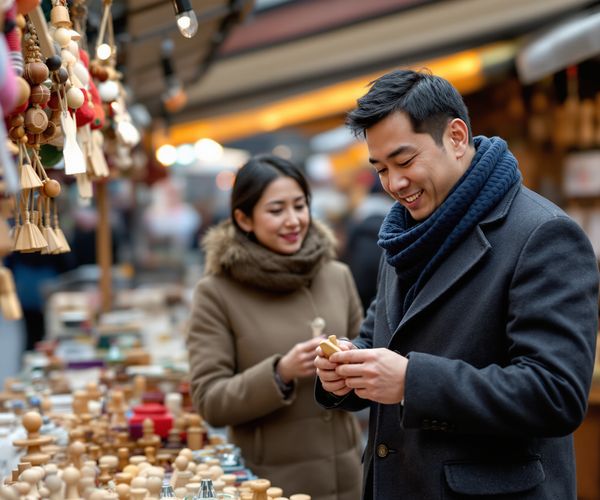
Stepping into a local market is like entering another world. The vibrant colors of fresh produce, the tantalizing aromas of spices and street food, the lively chatter of vendors and shoppers – it's a feast for the senses. Local markets offer a unique opportunity to sample regional specialties, interact with local producers, and experience the authentic flavors of the destination. Don't be afraid to try new things! Sample exotic fruits, taste local cheeses, and savor traditional snacks. Ask vendors about the ingredients and preparation methods. Bargaining is often expected in markets, but do so respectfully and with a smile. Visiting markets is a must for any culinary traveler. It's where you'll find the most authentic and genuine local foods, and it's an experience that will stay with you long after you leave.
Venturing off the Beaten Path: Beyond Tourist Hotspots
While popular tourist restaurants can be tempting, the real culinary adventures often lie off the beaten path. Avoid the crowded tourist traps and venture into residential neighborhoods. Look for small, family-run eateries that cater to locals. Restaurants near universities, hospitals, or transportation hubs are often a good bet, as they tend to offer affordable and authentic meals. Check local media for restaurant reviews and recommendations. Local newspapers, magazines, and websites often feature hidden gems that are popular with residents. Exploring these less-traveled areas can lead to some truly unforgettable culinary discoveries. You'll experience the local culture in a more authentic way, and you'll likely find some of the best food at a fraction of the price.
Family-Friendly Culinary Exploration: Engaging Children
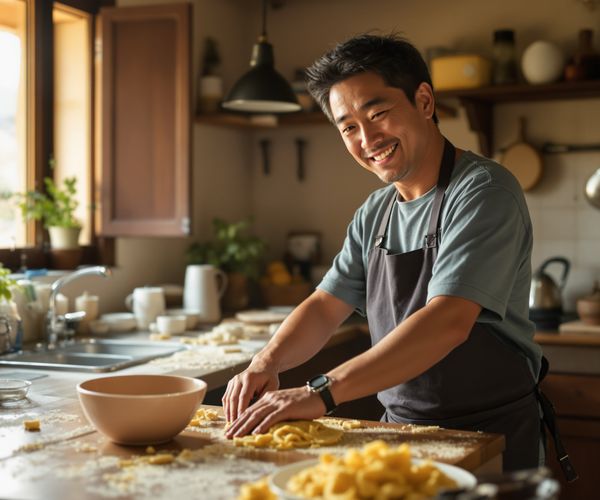
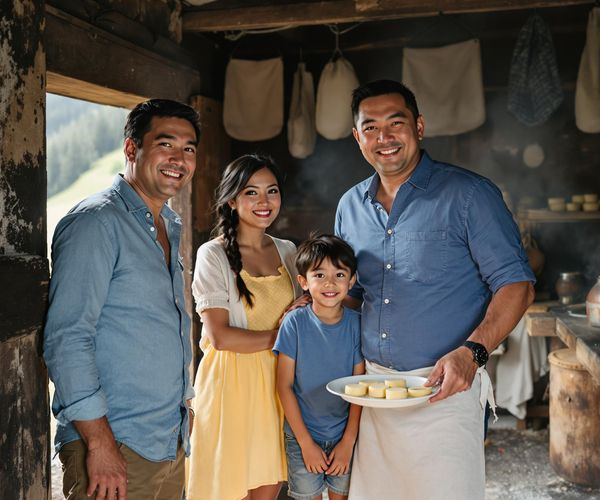
Culinary exploration can be a fantastic family activity. It's a fun and educational way to introduce children to new cultures and flavors. Consider joining a kid-friendly food tour or cooking class. These activities are designed to be engaging and interactive, making learning about food fun for kids. Involve children in grocery shopping and meal preparation. Let them choose ingredients, help with simple tasks, and learn about different foods. Be patient with picky eaters and introduce new flavors gradually. Offer small portions of new dishes and encourage them to try at least a bite. Make it a game! Family-friendly foodie destinations include places like Italy, France, and Spain, where children are often welcomed and encouraged to participate in culinary activities.
Documenting Your Culinary Journey: Capturing the Flavors
Don't forget to document your culinary experiences! Take photos of the dishes you try, the markets you visit, and the people you meet. Keep a food journal to record your impressions, ingredients, and preparation methods. Write down the names of the dishes in the local language. Documenting your culinary journey will not only help you remember your experiences, but it will also allow you to share them with others. You can create a travel blog, post photos on social media, or simply share your stories with friends and family. By documenting your culinary adventures, you'll not only preserve your memories but also inspire others to explore the world through food.
Discover the world through its cuisine! Learn how to find authentic local flavors, engage with locals, explore markets, and make culinary travel a family adventure.