As someone who grew up in Macau, a city brimming with a unique blend of cultures, I've always been drawn to the art of capturing moments. Now living in Zurich, I find photography to be the perfect companion for my travels, both near and far. It's not just about taking pictures; it's about preserving memories, immersing myself in different cultures, and telling stories through visuals. Whether you're a complete novice or just looking to brush up on your skills, these photography tips will help you elevate your travel experience.
Embarking on Your Visual Journey: Why Photography Matters
Photography is more than just pointing and shooting; it's about capturing the essence of a place and time. It allows us to preserve travel memories in a tangible way, creating a visual diary that we can revisit for years to come. For me, photography has become an integral part of my travel experience. It encourages me to slow down, observe my surroundings more closely, and truly appreciate the details that might otherwise go unnoticed.
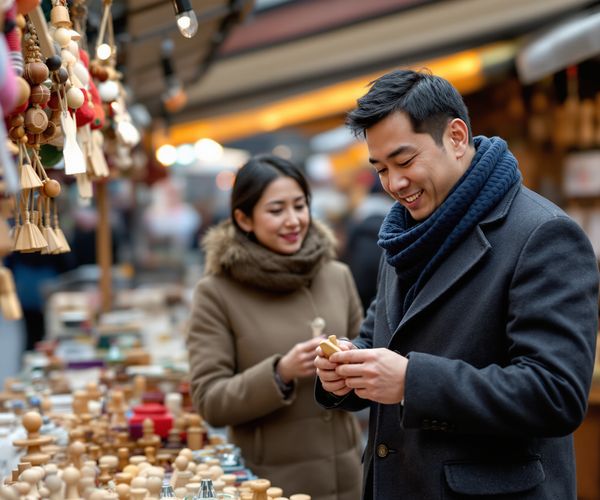
Photography enhances cultural immersion by encouraging interaction with locals and providing a deeper understanding of different traditions. For example, when I visited a small village in the Swiss Alps, photographing the local artisans at work allowed me to connect with them on a personal level and learn about their craft. These interactions enriched my experience far beyond what I could have gained simply as a tourist.
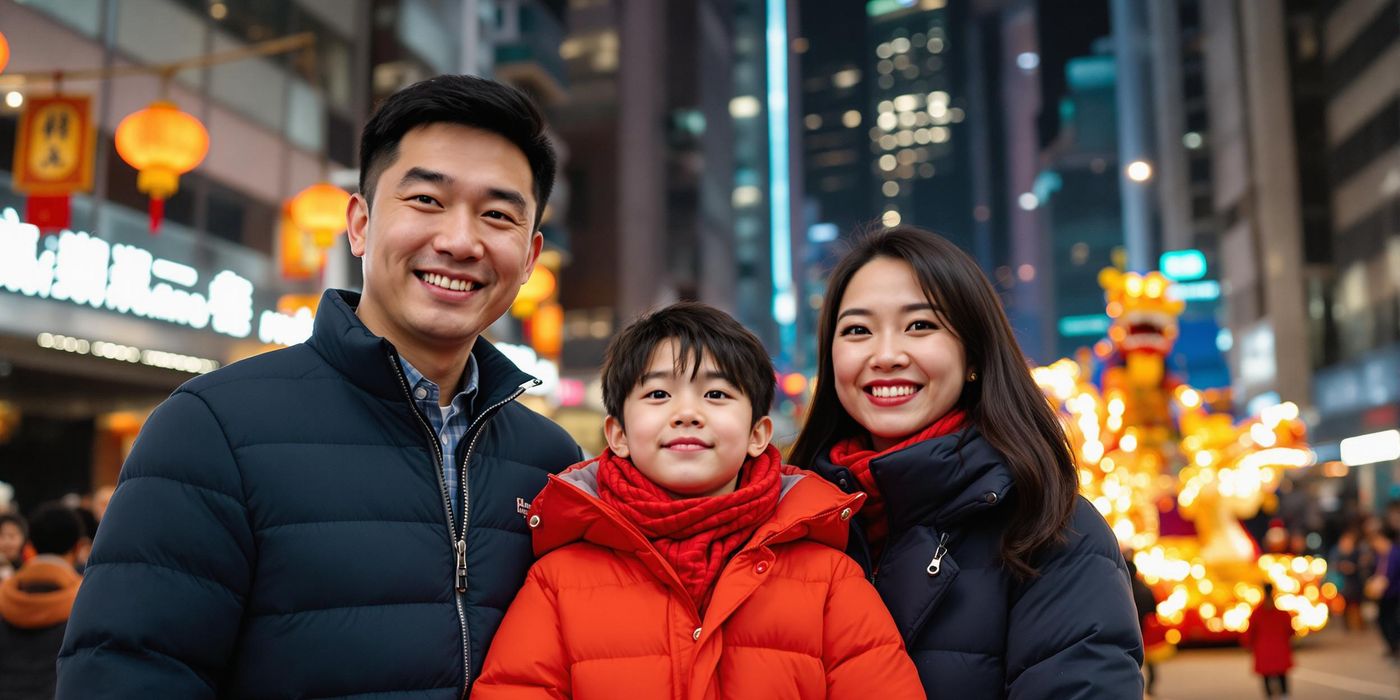
One of my most cherished travel memories involves capturing the vibrant street life of Hong Kong during Chinese New Year. The energy, colors, and emotions were palpable, and being able to document those moments allowed me to relive the experience and share it with others. It solidified my belief that photography is a powerful tool for storytelling and cultural preservation.
Choosing Your Weapon: Essential Gear for Travel Photography
Selecting the right equipment is crucial for capturing stunning travel photos. The best camera is the one you have with you, but understanding the strengths and weaknesses of different options can make a big difference.
Smartphones: Today's smartphones boast impressive camera capabilities, making them a convenient option for casual travel photography. They're lightweight, easy to use, and often offer features like panoramic mode and HDR. However, they may struggle in low-light conditions or when you need to zoom in on distant subjects.
Mirrorless Cameras: Mirrorless cameras offer a great balance of image quality, portability, and versatility. They're smaller and lighter than DSLRs, but still offer interchangeable lenses and advanced features like electronic viewfinders and fast autofocus. This makes them a popular choice for serious travel photographers who want high-quality images without the bulk of a DSLR.
DSLRs: DSLRs remain a top choice for professional photographers and enthusiasts who demand the best possible image quality and control. They offer a wide range of lenses and accessories, as well as advanced features like optical viewfinders and robust autofocus systems. However, they can be bulky and expensive, making them less ideal for casual travel.
Lenses: The lens is arguably the most important part of your camera. A wide-angle lens (e.g., 16-35mm) is great for capturing landscapes and cityscapes, while a zoom lens (e.g., 70-200mm) is ideal for photographing wildlife or distant subjects. A versatile prime lens (e.g., 35mm or 50mm) can be a good option for street photography and everyday shooting.
Accessories: Don't forget essential accessories like a sturdy tripod for low-light photography and landscape shots, filters (e.g., polarizing filter, ND filter) to enhance colors and reduce glare, extra batteries to keep you shooting all day long, and high-capacity memory cards to store all your photos.
Choosing the right camera bag is also important. Look for a bag that is comfortable to carry, offers adequate protection for your gear, and allows for easy access to your camera and accessories. Consider a backpack-style bag for hiking and outdoor adventures, or a shoulder bag for city travel.
Understanding Light: The Key to Stunning Travel Photos
Light is the foundation of photography. Understanding how light works and how to use it effectively can dramatically improve your photos.
Natural Light: Natural light is the most common and often the most beautiful light source for travel photography. Pay attention to the direction, intensity, and color of natural light throughout the day. Soft, diffused light is generally more flattering than harsh, direct sunlight.
Golden Hour and Blue Hour: The golden hour (the hour after sunrise and the hour before sunset) and the blue hour (the hour after sunset and the hour before sunrise) are considered the best times for photography. During these times, the light is soft, warm, and golden, creating a magical atmosphere. The blue hour offers a cooler, more ethereal light that is perfect for cityscapes and landscapes.
Challenging Lighting Conditions: Shooting in bright sunlight can be challenging, as it can create harsh shadows and blown-out highlights. Try to shoot in the shade or use a polarizing filter to reduce glare. In low-light conditions, use a tripod to avoid camera shake or increase your ISO setting (but be mindful of noise).
Artificial Light: When shooting indoors or at night, use artificial light sources creatively. Streetlights, neon signs, and indoor lighting can add character and atmosphere to your photos. Experiment with different angles and compositions to make the most of available light.
Composing Your Story: Techniques for Captivating Shots
Composition is the art of arranging elements within your frame to create a visually appealing and meaningful image.
Rule of Thirds: The rule of thirds is a basic composition guideline that involves dividing your frame into nine equal parts with two horizontal and two vertical lines. Place key elements of your scene along these lines or at their intersections to create a more balanced and engaging composition.
Leading Lines: Leading lines are lines that draw the viewer's eye into the scene. They can be roads, rivers, fences, or any other linear element that leads the eye towards the main subject of your photo. Use leading lines to create depth and perspective.
Symmetry and Patterns: Symmetry and patterns can create visually striking images. Look for symmetrical scenes in architecture or nature, or capture repeating patterns in urban or natural environments. Breaking the symmetry or pattern can also create a sense of tension and interest.
Details and Candid Moments: Don't forget to capture the small details that tell a story. Photograph local food, handicrafts, or architectural details. Also, be on the lookout for candid moments that capture the essence of a place and its people.
Photographing People Respectfully: When photographing people in different cultures, it's important to be respectful and ask for permission before taking their picture. Learn a few basic phrases in the local language to communicate with people and show your respect. Be mindful of cultural norms and avoid taking pictures in places where it's considered inappropriate.
Beyond the Snapshot: Enhancing Your Photos with Editing
Photo editing is an essential part of the photography process. It allows you to enhance your photos, correct imperfections, and bring out the best in your images.
Basic Editing Concepts: Familiarize yourself with basic editing concepts like exposure (brightness), contrast (difference between light and dark), highlights (brightest areas), and shadows (darkest areas). Adjust these settings to improve the overall look and feel of your photos.
Editing Apps: There are many user-friendly editing apps available for smartphones and computers. Snapseed and Lightroom Mobile are popular choices for mobile editing, while Adobe Lightroom and Photoshop are industry-standard software for more advanced editing on computers.
Color Correction and White Balance: Color correction and white balance are important for ensuring that your photos have accurate colors. Adjust the white balance to correct any color casts caused by different lighting conditions. Use color correction tools to fine-tune the colors in your photos and create a consistent look.
Avoiding Over-Editing: While editing can enhance your photos, it's important to avoid over-editing. The goal is to make your photos look natural and realistic, not artificial or processed. Use editing tools subtly and avoid excessive adjustments.
Preserving and Sharing: Showcasing Your Travel Photography
Once you've captured and edited your travel photos, it's important to preserve them and share them with others.
Organizing and Backing Up: Develop a system for organizing your photos and backing them up regularly. Use folders and keywords to categorize your photos and make them easy to find. Back up your photos to multiple locations, such as an external hard drive and a cloud storage service, to protect them from loss or damage.
Photo Albums and Travel Journals: Create photo albums or travel journals to document your experiences. Print your favorite photos and arrange them in an album, or create a digital photo book that you can share with friends and family. Write captions and stories to accompany your photos and add personal touches to your travel journal.
Sharing on Social Media: Share your photos on social media platforms like Instagram and Facebook to connect with other travelers and inspire them with your images. Use relevant hashtags to increase the visibility of your photos and engage with your followers. Be mindful of copyright and give credit to others when sharing their work.
Printing and Displaying: Print your favorite travel photos and display them at home to relive your adventures and share them with guests. Frame your photos and hang them on the wall, or create a gallery wall with a collection of your best images. You can also print your photos on canvas, metal, or other materials for a unique and personalized look.
Essential photography tips to enhance your travel experience and capture unforgettable moments. Learn about gear, lighting, composition, and editing to elevate your travel photography.