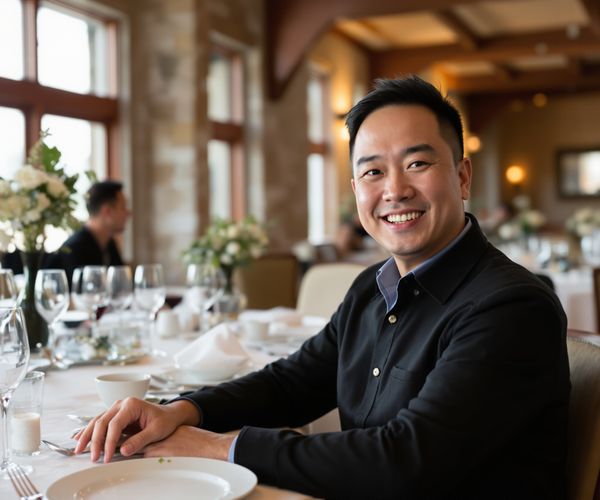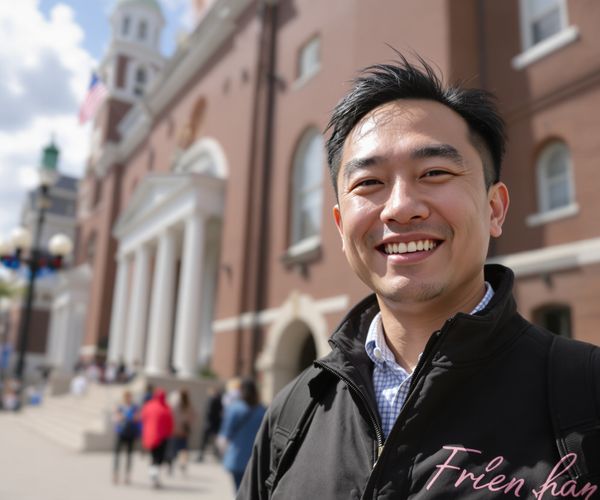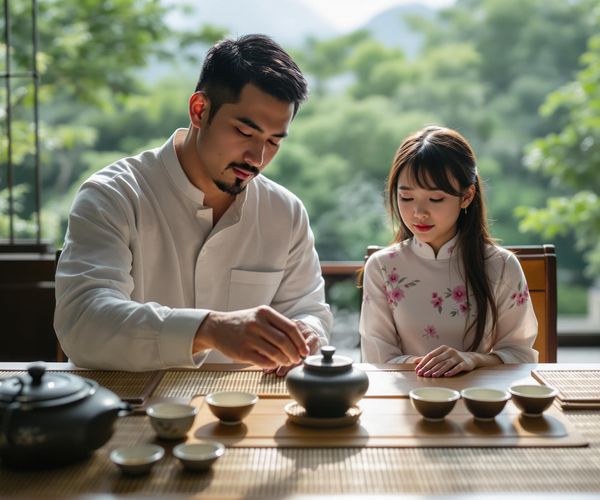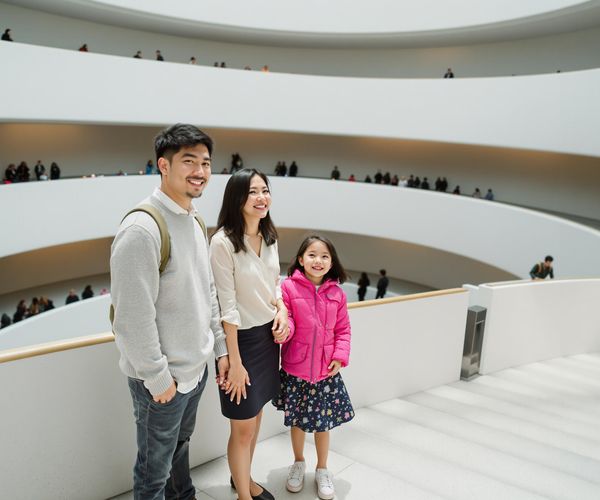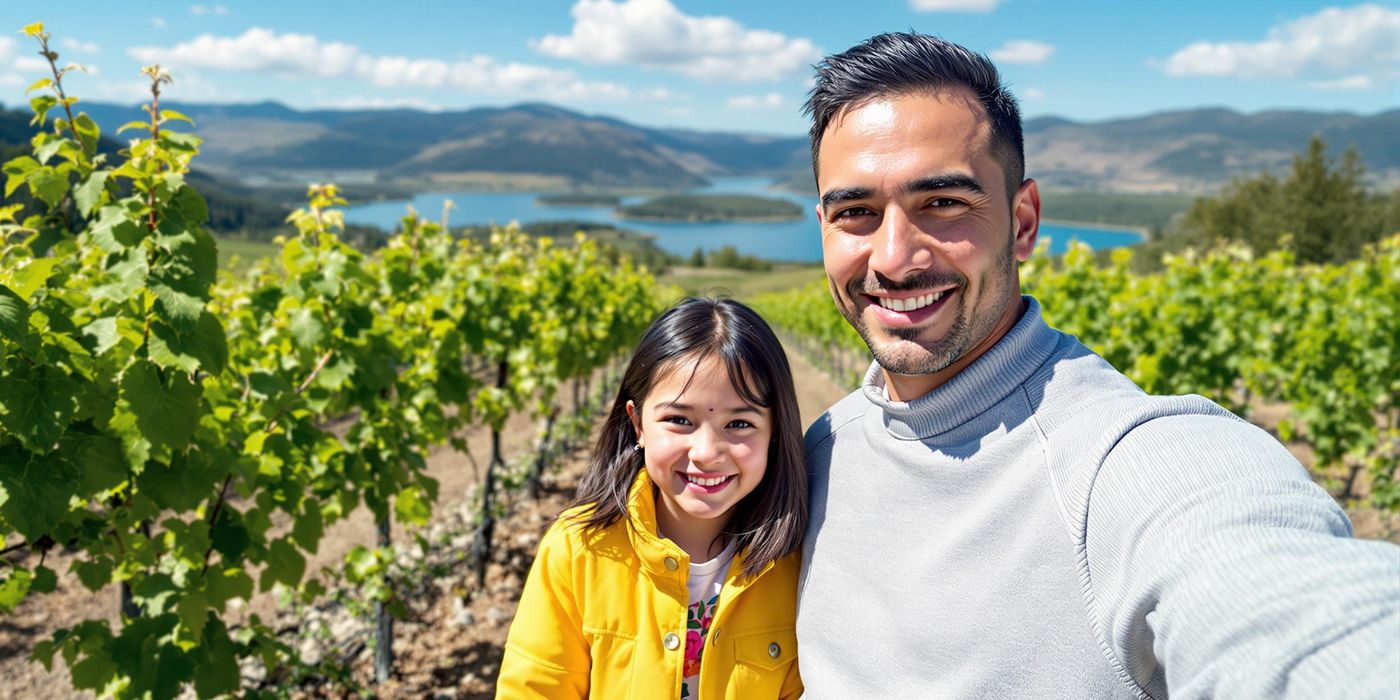
As someone who transitioned from the vibrant tea fields of Taiwan to the picturesque orchards of Kelowna, I've always found photography to be a powerful way to connect with the world and share its beauty. Whether it's capturing the serene landscapes of the Okanagan Valley or the bustling streets of Taipei, a photograph can tell a story that transcends language and culture. This guide reflects my experiences and insights, aiming to help you capture the essence of your own journeys.
Selecting the Right Gear for Your Travel Style
Choosing the right equipment is the first step in elevating your travel photography. The good news is, you don't need the most expensive gear to take stunning photos. Let's explore some options:
- Camera Options: Mirrorless cameras offer a great balance of image quality and portability, making them ideal for travel. DSLRs are still a solid choice, especially if you already have lenses. And don't underestimate your smartphone! Modern smartphones have incredible cameras that can capture high-quality images, especially in good lighting conditions.
- Versatile Lenses: A versatile lens like a 24-70mm is a great all-around option for various travel scenarios. If you enjoy landscape photography, consider a wide-angle lens. For wildlife or distant subjects, a telephoto lens might be necessary.
- Camera Bag: A lightweight and durable camera bag is essential for protecting your gear while you're on the move. Look for one with padded compartments and weather-resistant materials.
- Essential Accessories: Don't forget extra batteries and memory cards! A portable tripod, like the Peak Design Travel Tripod, can also be incredibly useful for capturing sharp images in low-light situations or for long-exposure photography.
- Second-Hand Gear: Consider purchasing second-hand gear to save money and promote sustainability. You can often find high-quality used equipment at reputable camera stores or online marketplaces.
Mastering Composition Techniques for Stunning Shots
Composition is key to creating visually appealing images. Here are some techniques to help you master the art of composition:
- Rule of Thirds: Imagine dividing your frame into nine equal parts with two horizontal and two vertical lines. Place your subject at one of the intersections or along one of the lines to create a more balanced and engaging composition.
- Leading Lines: Use lines to draw the viewer's eye into the image. Roads, rivers, and fences can all be used as leading lines.
- Symmetry and Framing: Look for symmetry in your surroundings and use it to create visually striking images. You can also use natural elements like trees or arches to frame your subject.
- Experiment with Perspectives: Don't be afraid to experiment with different perspectives. Try shooting from a high angle to capture a wider view or from a low angle to make your subject appear larger and more imposing.
- Shapes, Patterns, and Negative Space: Pay attention to shapes and patterns in your surroundings and use them to add visual interest to your photos. Negative space (the empty space around your subject) can also be used to create a sense of balance and harmony.
- Mix of Shots: Capture a mix of close-up, mid, and wide shots to tell a complete story. Close-ups can capture details, mid-shots can show the subject in its environment, and wide shots can establish the scene.
Capturing Cultural and Natural Beauty: Chih-Ming's Personal Tips
Over the years, I've learned that the most captivating photos come from truly immersing yourself in the experience. Here are some tips based on my travels:
- Taiwanese Culture: When photographing in Taiwan, I always try to capture the vibrant energy of the night markets or the serene beauty of the temples. The key is to be respectful and observe the local customs.
- Okanagan Landscapes: The Okanagan Valley offers stunning landscapes, from rolling hills to sparkling lakes. I love capturing the changing colors of the vineyards throughout the seasons.
- Research Locations: Before you go, research the locations you plan to photograph. Look for unique photo opportunities and plan your shots in advance.
- Patience is Key: Be patient and spend time at a location to discover unexpected shots. Sometimes, the best photos are the ones you didn't plan for.
- Light and Shadows: Use light and shadows to enhance the mood and atmosphere of your photos. The golden hour (the hour before sunset) and the blue hour (the hour after sunset) offer beautiful, soft light that can transform your images.
Ethical Travel Photography: Respecting Local Customs and Privacy
Ethical travel photography is crucial. It's about respecting the people and cultures you encounter on your journeys. Here's how to ensure your photography is ethical:
- Learn About Local Cultures: Before you start photographing, take the time to learn about local cultures and traditions. This will help you avoid causing offense or disrespecting local customs.
- Ask for Permission: Always ask for permission before taking photos of people, especially children. Be polite and explain why you want to take their photo.
- Avoid Stereotypes: Be mindful of the potential for images to perpetuate stereotypes. Avoid sensationalism and focus on capturing authentic and respectful portrayals of people and cultures.
- Interact Respectfully: Interact with locals respectfully and build relationships. A friendly conversation can go a long way in building trust and creating meaningful connections.
- Alternative Creative Options: If photographing people's faces is inappropriate, explore alternative creative options. Focus on capturing details, landscapes, or cultural events instead.
Post-Processing Tips for Enhancing Your Travel Photos
Post-processing can enhance your travel photos and bring out their full potential. Here are some tips to get you started:
- Photo Editing Software: There are many user-friendly photo editing software options available for beginners. Some popular choices include Adobe Lightroom, Luminar AI, and Skylum.
- Basic Editing Techniques: Start with basic editing techniques like adjusting exposure, contrast, and white balance. These adjustments can make a big difference in the overall look and feel of your photos.
- Color Correction: Color correction can help you restore the natural colors in your photos and create a more consistent look. Pay attention to the white balance and adjust it as needed.
- Remove Distractions: Use post-processing to remove distractions and improve composition. You can crop your photos to remove unwanted elements or use the clone stamp tool to remove blemishes or other distractions.
- Subtlety is Key: Emphasize the need for subtlety and avoiding over-editing to maintain authenticity. The goal is to enhance your photos, not to transform them beyond recognition.
A comprehensive guide to improving your travel photography, from gear selection to ethical practices. Learn how to capture the essence of your journeys with practical tips and personal anecdotes.