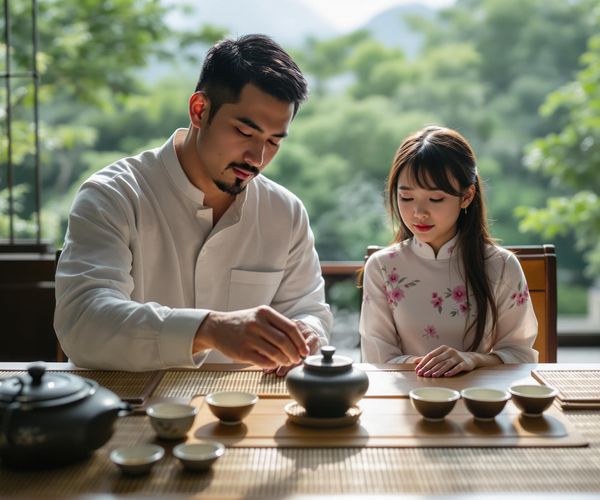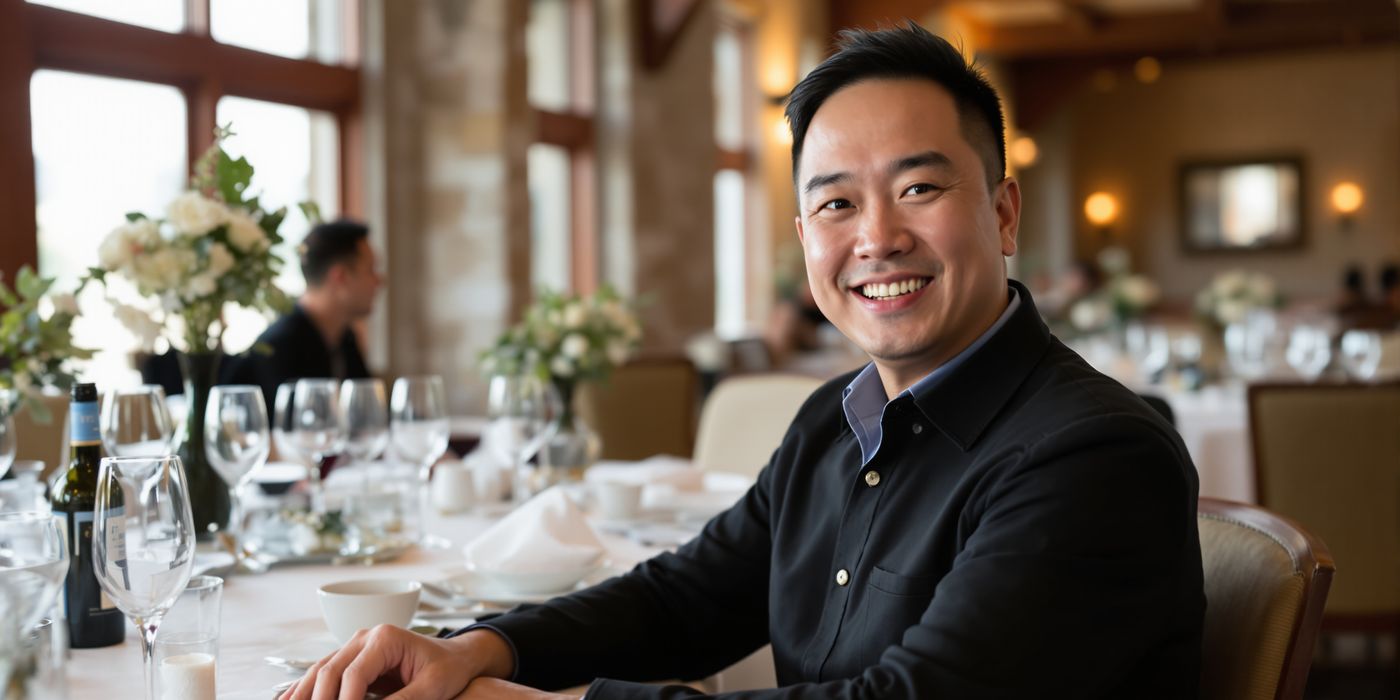
From the fragrant orchards of Kelowna, where I spend my days nurturing fruit-bearing trees, my curiosity often wanders beyond the branches to the sun-drenched vineyards that dot the Okanagan Valley. As an orchard manager with a passion for local wineries, I've cultivated a deep appreciation for the art and science of viticulture. Join me as I uncork the world of wine tourism, sharing insights and tips for exploring vineyards and wineries around the globe.
Sipping Through the Seasons: An Orchard Manager's Take on Wine Tourism
For me, the transition from managing an orchard to exploring wineries feels surprisingly natural. Both worlds revolve around the careful cultivation of the land and the transformation of nature's bounty into something extraordinary. Wine tourism, in particular, has blossomed into a significant trend, drawing travelers who crave authentic experiences that go beyond the typical tourist traps. It's about immersing oneself in the local culture, understanding the nuances of terroir, and connecting with the passionate individuals behind each bottle.
What sets wine tourism apart? It's the unique blend of sensory indulgence and intellectual stimulation. It's not just about tasting wine; it's about understanding the history, the geography, and the human touch that shapes its character. It offers a chance to slow down, savor the moment, and appreciate the simple pleasures of life, much like tending to an orchard.
Planning Your Vineyard Voyage: A Novice's Navigation Guide
Embarking on a wine-focused trip can seem daunting at first, but with a little planning, it can become an unforgettable adventure. Start with research. Delve into the wine regions that pique your interest, exploring their signature varietals, climate, and cultural attractions. Websites like Wine-Searcher and Wine Enthusiast offer a wealth of information to get you started.
Understanding regional wine distinctions and terroir is crucial. Terroir, the unique combination of soil, climate, and topography, profoundly influences the character of a wine. For example, the chalky soils of Champagne contribute to the region's sparkling wines' crisp acidity and minerality. Consider the time of year. Each wine region offers a different experience depending on the season. The harvest season (typically late summer to early fall) is a vibrant time to witness winemaking in action, while the off-season can offer a more intimate and less crowded experience.
Tasting Like a Pro: Decoding the Language of Wine
Wine tasting can be intimidating, but it's a skill that anyone can learn. The key is to engage all your senses. Start by observing the wine's color and clarity. Swirl the wine gently in your glass to release its aromas. Then, bring the glass to your nose and inhale deeply, identifying the various scents that emerge. Finally, take a small sip, allowing the wine to coat your palate. Pay attention to the flavors, the texture, and the finish.
Familiarize yourself with common wine terminology. Words like tannins, acidity, and body describe essential characteristics of wine. Tasting notes often refer to fruits, spices, and other aromas and flavors that can be found in wine. Don't be afraid to ask questions! Winery staff are usually passionate about wine and eager to share their knowledge.
Remember a few basic etiquette rules. Avoid wearing strong perfumes or colognes, as they can interfere with the wine's aromas. Hold your glass by the stem to avoid warming the wine. And always be respectful of the winery staff and other tasters.
Beyond the Bottle: Immersive Experiences in Wine Country
Wine tourism offers much more than just tasting. Take a vineyard tour to learn about the grape-growing process. Visit a barrel room to see where the wine ages. Participate in a grape harvesting experience to get your hands dirty. Many wineries also offer food pairings, cooking classes, and cultural events that allow you to connect with the local community.
Consider supporting sustainable wineries. Many wineries are adopting eco-friendly practices, such as using organic or biodynamic farming methods, conserving water, and reducing their carbon footprint. Look for certifications like Demeter or organic seals to identify these wineries.
Global Grapes: Notable Wine Regions to Explore
The world is brimming with incredible wine regions, each offering a unique experience. Here are a few notable destinations to consider:
- Bordeaux, France: Known for its elegant red blends made from Cabernet Sauvignon, Merlot, and Cabernet Franc. The region's châteaux offer opulent tasting experiences and stunning architecture.
- Napa Valley, California: Famous for its rich and powerful Cabernet Sauvignon. The valley boasts breathtaking scenery, world-class restaurants, and luxurious resorts.
- Tuscany, Italy: Home to Chianti, a Sangiovese-based red wine. The region's rolling hills, cypress trees, and medieval towns create a picturesque backdrop for wine tasting.
- Okanagan Valley, Canada: My home! This region produces a wide range of wines, including Pinot Noir, Chardonnay, and Riesling. The valley's stunning lakes, mountains, and orchards offer a diverse range of outdoor activities.
Each of these regions offers a unique blend of wine, culture, and natural beauty. Whether you're a seasoned wine connoisseur or a curious novice, there's a wine region out there waiting to be explored.
Explore the world of wine tourism with an orchard manager's perspective. Discover tips for vineyard tours, wine tasting, and understanding regional wine distinctions.