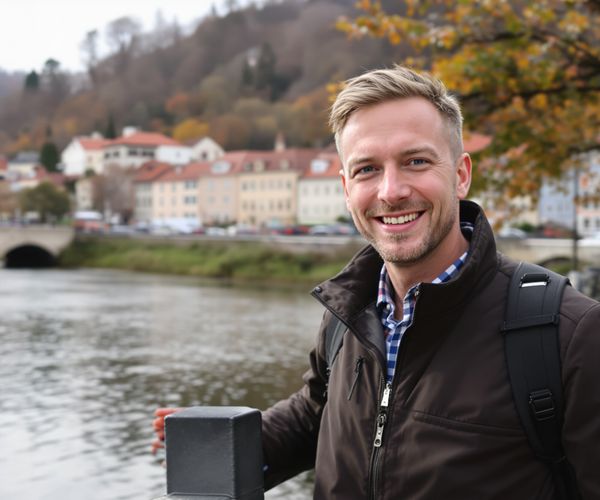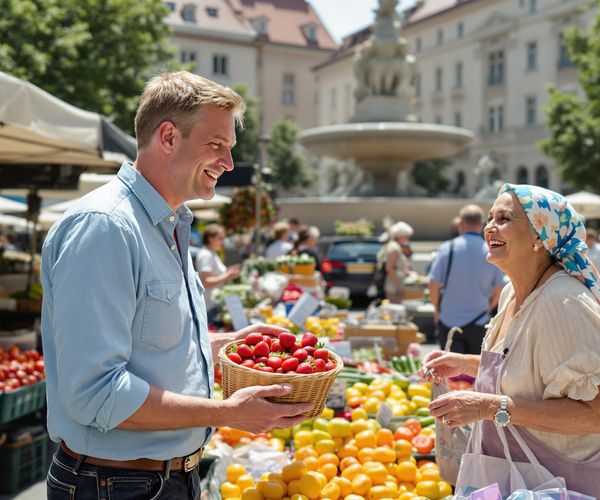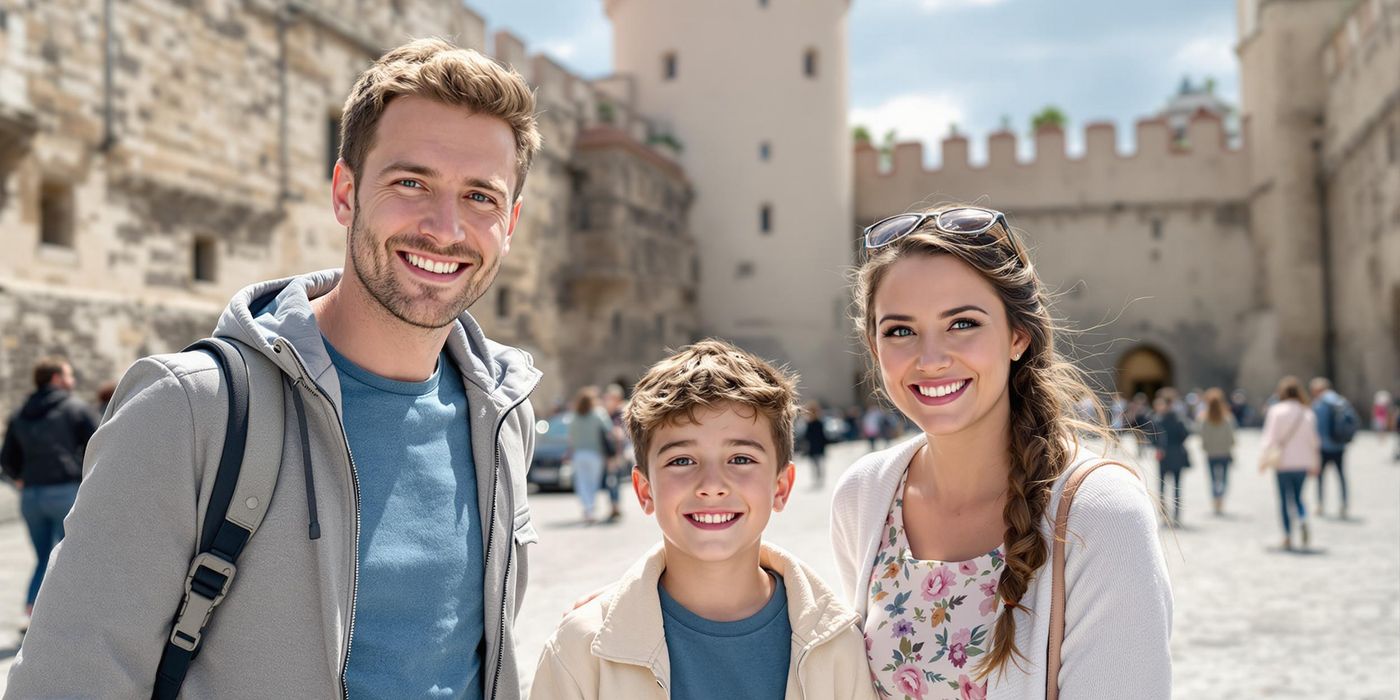
As a software engineer with a penchant for history and a family in tow, I've learned that visiting historical sites isn't just about ticking off landmarks. It's about crafting an experience, blending education with engagement, and respecting the stories of the past. Based in Brno, Czech Republic, my family and I have explored countless castles, museums, and historical towns. Here’s how you can make the most of your historical adventures, drawing from my experiences and a bit of German efficiency.
Planning Your Historical Adventure: A Software Engineer's Approach
For me, planning a historical site visit is akin to debugging code: meticulous research, clear objectives, and a flexible strategy are key.
- Pre-trip research: The internet is your best friend. I start with Wikipedia for a broad overview, then dive into more specialized sites and local archives. For example, before visiting Špilberk Castle in Brno, I researched its history from a royal fortress to a notorious prison. Don't underestimate local resources; many towns have online archives with invaluable information.
- Setting clear goals: What do you want to achieve? Is it to understand a specific historical period, learn about a particular figure, or simply soak in the atmosphere? Defining your goals helps focus your visit. When visiting the ossuary in Kutná Hora, my goal was to understand the artistic and historical context of this unique and somewhat macabre site.
- Creating a detailed itinerary: I use a spreadsheet to map out our days, including travel times, opening hours, and key exhibits. However, I always build in flexibility. Unexpected delays or fascinating discoveries can derail even the best-laid plans. Embrace the detours!
- Time of year considerations: The Czech Republic, and Europe in general, has distinct seasons. Summer offers long days and pleasant weather, perfect for outdoor exploration. However, popular sites can be crowded. Spring and autumn provide milder temperatures and fewer tourists. Winter can be magical, with Christmas markets and snow-covered castles, but be prepared for shorter days and potential closures. Check weather patterns; Brno can be surprisingly hot in summer and quite cold in winter.
Immersing Yourself in History: Beyond the Guidebook
Once you're on-site, it's time to go beyond the guidebook and truly connect with the past.
- On-site engagement: Talk to the local experts. Guides, museum staff, and even shopkeepers can offer insights you won't find in any book. During our visit to the Brno City Museum, a curator shared anecdotes about the city's underground tunnels that completely changed my perspective.
- Utilizing technology: There are fantastic apps and virtual tours available. I recommend Rick Steves Audio Europe for self-guided tours. Augmented reality apps can also bring historical sites to life. Before you go, download a few apps that will help guide you while onsite.
- Personal connections: Look for stories that resonate with you. Perhaps a particular artifact catches your eye, or a historical figure intrigues you. Dive deeper into those connections. I was fascinated by the story of Gregor Mendel, the father of genetics, who conducted his groundbreaking research in Brno. Visiting the Mendel Museum deepened my appreciation for his work and its impact.
- Connecting to local experts in Brno: Brno has a vibrant community of historians and enthusiasts. Check local universities or historical societies for lectures, workshops, or guided tours. Networking with these experts can provide a richer, more nuanced understanding of the region's history. Don't hesitate to attend local events!
Family-Friendly Historical Exploration: Engaging Children
Traveling with my son, Maximilian, has taught me the importance of making history engaging for children. A bored child is a recipe for a disastrous outing.
- Making it interactive: Create scavenger hunts with clues related to the site's history. Tell stories that bring the past to life. Instead of just reading about battles, act them out (safely, of course!).
- Balancing education and fun: Incorporate breaks and play. Museums can be overwhelming for children. Plan for downtime in parks or playgrounds. Pack snacks and drinks to keep energy levels up.
- Age-appropriate content: Tailor the experience to different age groups. What interests a 10-year-old will likely bore a teenager. Find age-appropriate books, documentaries, or interactive exhibits.
- Relating to Maximilian's interests: Maximilian loves knights and castles, so we focus on those aspects when visiting historical sites. We look for armor, swords, and siege weapons. We tell stories of brave knights and daring battles. By tying history to his interests, I keep him engaged and excited.
Practical Tips for a Smooth Visit: The German Efficiency
A well-planned visit is a stress-free visit. Here are some practical tips to ensure a smooth and enjoyable experience.
- Transportation: Research local transport options. Brno has an excellent tram and bus system. For exploring South Moravia, consider renting a car for greater flexibility. Book in advance, especially during peak season.
- Accommodation: Choose family-friendly options with convenient access to historical sites. Look for hotels with amenities like free breakfast, swimming pools, or kids' clubs. Consider staying in historically relevant buildings, like converted monasteries or old townhouses.
- Food and drink: Experience local cuisine while staying budget-conscious. Look for traditional Czech pubs (hospody) offering affordable and delicious meals. Pack snacks and drinks to avoid overpriced tourist traps. Try Trdelník, a traditional and delicious treat.
- Practical tips for traveling around Brno and South Moravia: Learn a few basic Czech phrases. Carry cash, as some smaller establishments may not accept credit cards. Be aware of pickpockets in crowded areas. Purchase a local SIM card for easy access to maps and information.
Respecting the Past: Ethical Considerations
As travelers, we have a responsibility to respect the places we visit and the stories they hold.
- Preservation: Avoid touching or damaging historical artifacts. Follow the rules and guidelines set by the site. Report any damage or vandalism you observe.
- Cultural sensitivity: Respect local customs and traditions. Dress appropriately when visiting religious sites. Be mindful of noise levels and behavior.
- Sustainable tourism: Support local communities and businesses. Buy souvenirs from local artisans. Eat at local restaurants. Choose eco-friendly transportation options.
- Reflecting on the impact of tourism: Consider the impact your visit has on the site and the local community. Strive to leave a positive contribution by respecting the environment, supporting local businesses, and engaging with the culture.
Capturing Memories: Photography and Reflection
Documenting your journey is a wonderful way to preserve your memories and share your experiences with others.
- Documenting the journey: Take meaningful photographs that capture the essence of the site and your personal experience. Focus on details, perspectives, and emotions. Remember that people are an important part of the story.
- Journaling: Record your personal reflections and insights. Write about what you learned, what you felt, and what you experienced. Include anecdotes, observations, and personal connections.
- Sharing experiences: Engage with other travelers online. Share your photos, stories, and tips on social media, travel forums, or blogs. Connect with people who share your passion for history and travel.
- Creating lasting memories: By documenting your journey, you create lasting memories that you can cherish for years to come. These memories will enrich your life and inspire future adventures.
Learn how to enhance your visits to historical sites with practical tips and historical context, drawing from personal experiences in the Czech Republic.