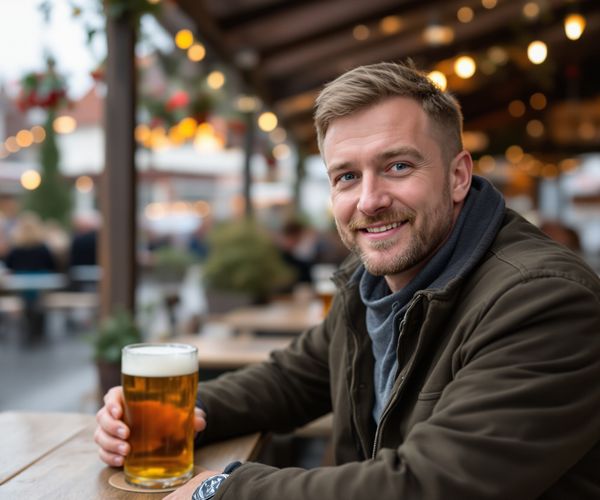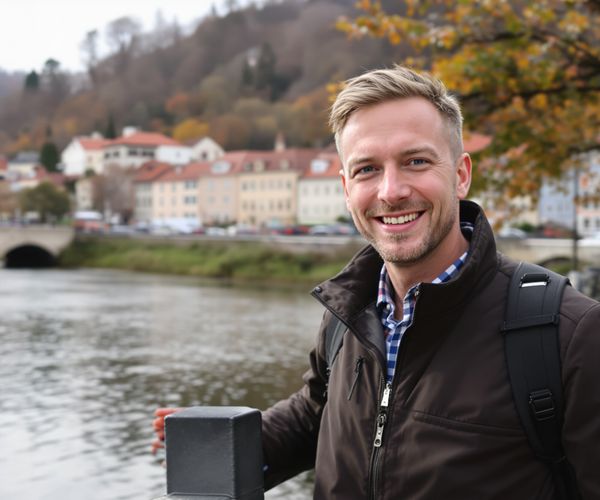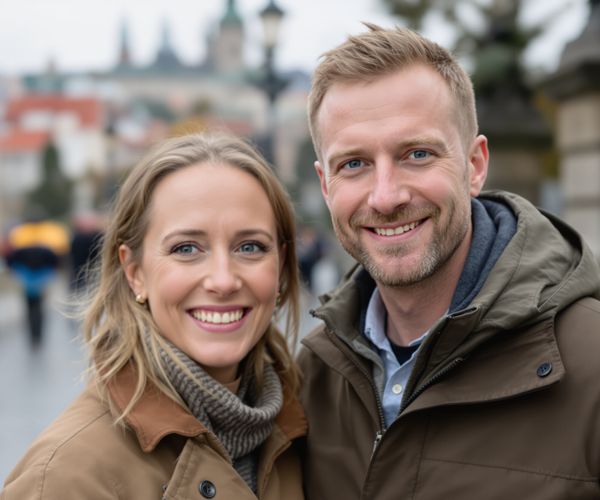
As a software engineer living in Brno, Czech Republic, with my family, I've come to appreciate the beauty and history that Europe has to offer. Photography has become my way of preserving these memories, not just for myself, but to share with others. Over the years, I've learned a few things about capturing stunning travel photos, especially when exploring European landscapes and historical sites. Here are some tips I've found invaluable.
Choosing the Right Equipment for European Travel
Selecting the right camera is the first step. You have several options, each with its own advantages and disadvantages:
- DSLR: Offers excellent image quality and versatility with interchangeable lenses. However, they can be bulky and heavy, which might be a concern when traveling.
- Mirrorless: A lighter and more compact alternative to DSLRs, without sacrificing image quality. Many mirrorless cameras offer similar features and lens options as DSLRs.
- Smartphone: The most convenient option, as you likely already have one. Modern smartphones boast impressive camera capabilities, suitable for casual travel photography. However, they may not perform as well in low light or offer the same level of control as dedicated cameras.
For European landscapes and historical sites, I recommend a versatile lens setup. A wide-angle lens (16-35mm) is perfect for capturing expansive landscapes, while a zoom lens (24-70mm or 70-200mm) allows you to zoom in on distant details and architectural features. Don't forget essential accessories like a sturdy tripod for sharp images in low light, polarizing and ND filters to enhance colors and reduce glare, and extra batteries to keep you shooting all day.
Mastering Composition Techniques
Composition is key to creating visually appealing images. Here are a few techniques to keep in mind:
- Rule of Thirds: Imagine dividing your frame into nine equal parts with two horizontal and two vertical lines. Place key elements of your scene along these lines or at their intersections to create a balanced and engaging composition.
- Leading Lines: Use natural lines, such as roads, rivers, or fences, to guide the viewer's eye through the photo and create a sense of depth.
- Framing: Use elements in the foreground, such as trees, arches, or doorways, to frame your subject and add depth and context to your shots. I often use this when photographing castles in the Czech Republic.
- Foreground Elements: Incorporate interesting foreground elements, such as flowers, rocks, or reflections, to add depth and interest to your landscapes.
Capturing Stunning Landscapes in Europe
Europe offers a diverse range of landscapes, from the Swiss Alps to the Scottish Highlands. To capture these scenes at their best:
- Shoot During the Golden Hour: The hour after sunrise and the hour before sunset offer the most beautiful light, with warm, soft tones and long shadows. This is especially effective for mountain ranges.
- Use Filters: A polarizing filter can reduce glare and enhance colors, while an ND filter can allow you to use longer shutter speeds to create motion blur in waterfalls or clouds.
- Capture Mountains, Coastlines, and Forests: Each landscape type requires a different approach. For mountains, focus on capturing the scale and grandeur. For coastlines, emphasize the interplay of land and sea. For forests, look for patterns and textures in the trees and undergrowth.
- Deal with Challenging Weather: Don't let rain, fog, or snow deter you. These conditions can add drama and atmosphere to your photos. Protect your equipment with a waterproof bag or cover, and be prepared to adjust your settings accordingly.
Photographing Historical Sites and Architecture
Europe is rich in historical sites and architectural marvels. To capture these treasures effectively:
- Research the History: Understanding the history of a site can inform your photography and help you tell a more compelling story. For example, knowing the significance of a particular statue or building can guide your composition and focus.
- Capture Wide Shots and Close-Ups: Start with wide shots to establish the context and scale of the site, then move in for detailed close-ups of architectural details, textures, and patterns.
- Use Natural Light: Pay attention to how natural light interacts with the architecture throughout the day. Look for opportunities to highlight interesting details and create dramatic shadows. Sometimes, the best light is early in the morning or late in the afternoon.
- Respect the Site: Be mindful of the rules and regulations of the site. Avoid using flash photography in sensitive areas, and be respectful of other visitors and the historical significance of the location. It's crucial to preserve these sites for future generations.
Embracing the Unexpected: Spontaneity in Travel Photography
While planning is important, some of the best travel photos come from unexpected moments. Be open to spontaneous opportunities and be ready to capture them.
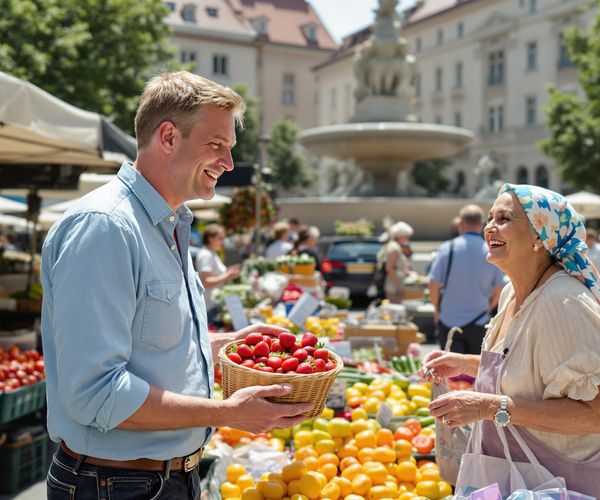
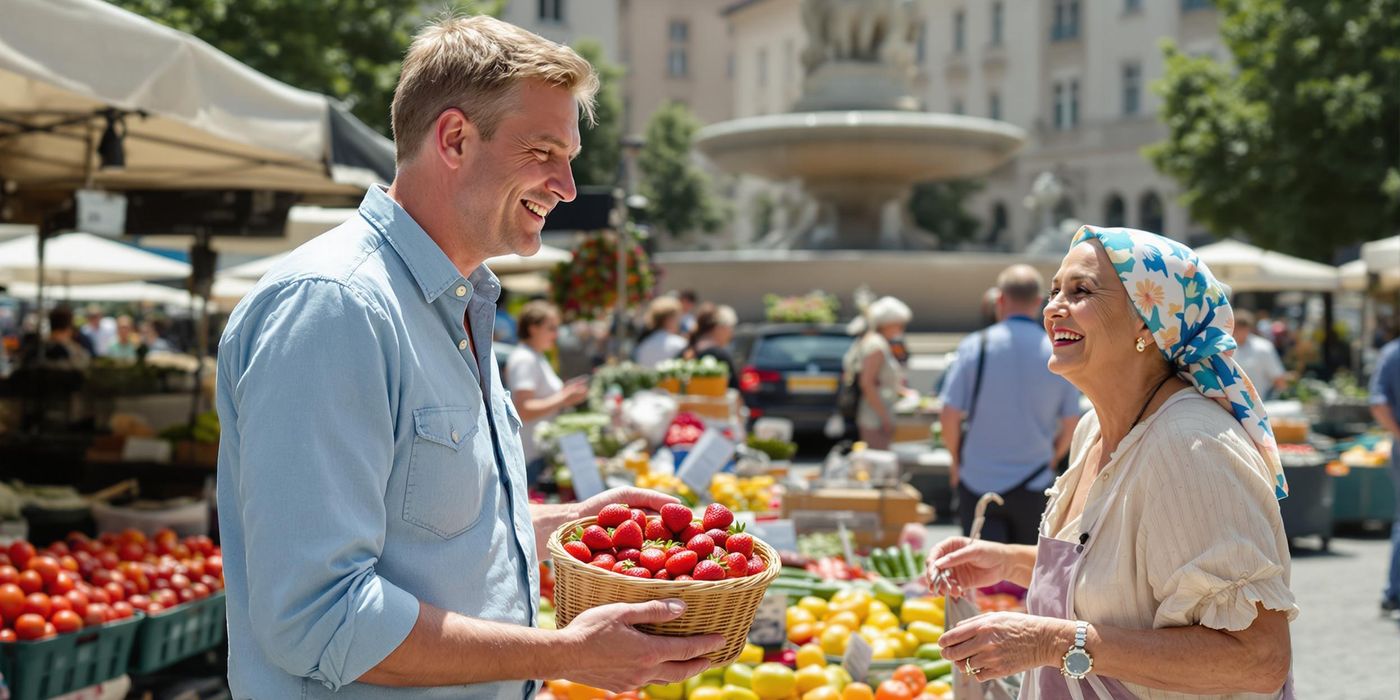
- Capture Candid Moments: Keep your camera ready to capture candid moments and street scenes. These authentic moments often tell a more compelling story than posed shots. I love capturing the expressions of people at local markets.
- Interact with Locals Respectfully: If you want to photograph people, ask for their permission first. Be respectful of their culture and customs, and be willing to engage in conversation. You might be surprised by the stories you hear and the connections you make.
- Be Patient: Sometimes, the best shot requires patience. Wait for the right light, the right expression, or the right moment to capture the perfect image. Don't be afraid to spend time in one location, observing and waiting for the scene to unfold.
Post-Processing Tips for Travel Photos
Post-processing is an essential step in enhancing your travel photos. Here are a few basic tips:
- Choose Editing Software: There are many options available, from professional software like Adobe Lightroom and Photoshop to mobile apps like Snapseed and VSCO. Choose the software that best suits your needs and skill level.
- Adjust Exposure, Contrast, and White Balance: These are the basic adjustments that can significantly improve the look of your photos. Adjust the exposure to brighten or darken the image, increase the contrast to add punch, and correct the white balance to ensure accurate colors.
- Enhance Colors and Sharpen Details: Use the saturation and vibrance sliders to enhance the colors in your photos, and use the sharpening tool to add detail and clarity. Be careful not to overdo it, as excessive sharpening can create unwanted artifacts.
- Back Up and Organize Your Photos: Once you've edited your photos, be sure to back them up to multiple locations, such as an external hard drive and a cloud storage service. Organize your photos into folders by date, location, or event to make them easy to find later.
Capture beautiful travel memories with your camera. Learn essential photography tips to enhance your travel photos.