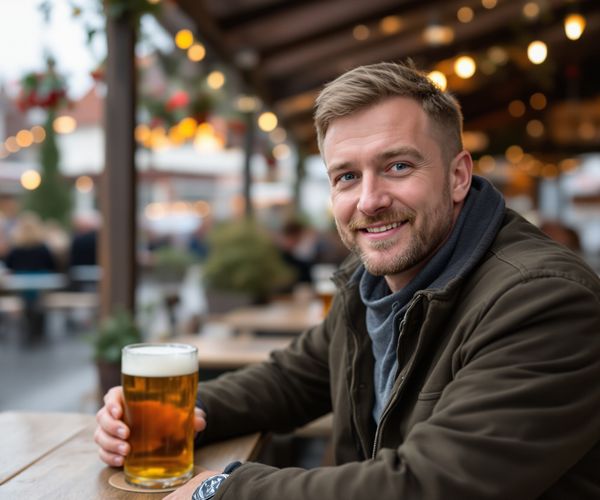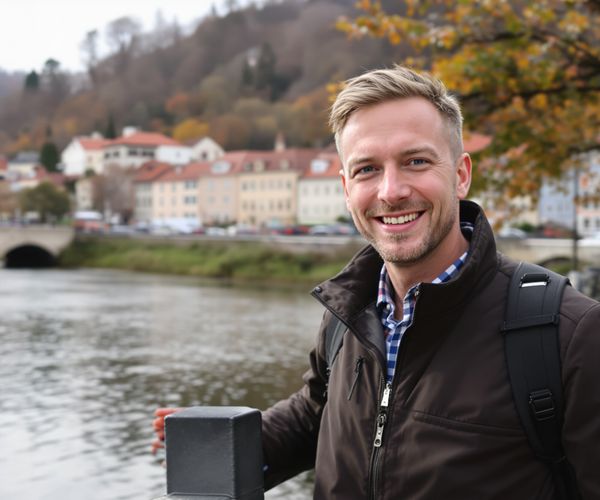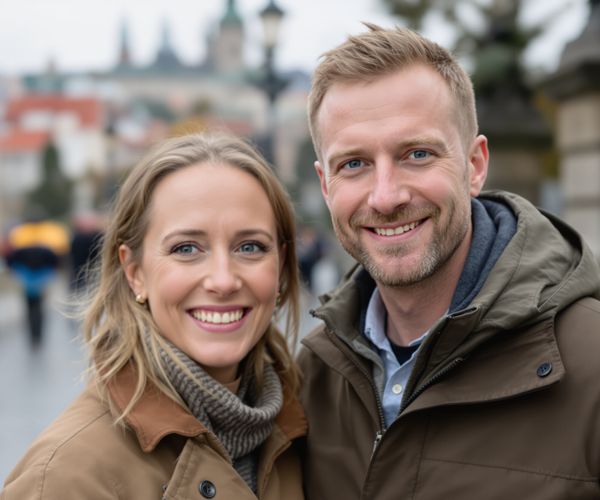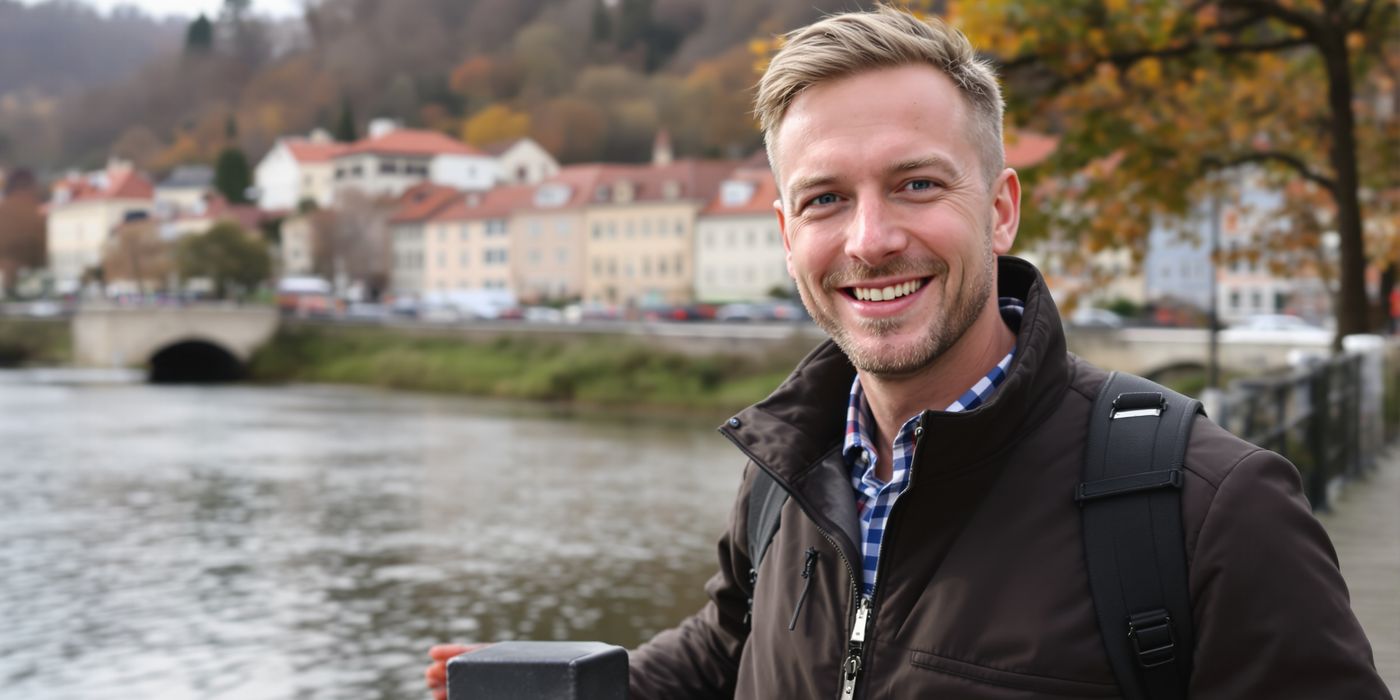
As a software engineer living in Brno, Czech Republic, with my family, I've come to appreciate the power of photography in capturing our travel experiences. It's more than just taking snapshots; it's about preserving memories and telling stories that transcend language and culture. Over the years, exploring Europe with my wife and son has given me a unique perspective on how to creatively document our journeys, and I'm excited to share some tips that have worked for me.
Embracing the Art of Visual Storytelling
Travel photography is essential for preserving the memories we create on our journeys. A photograph can transport you back to a specific moment, evoking emotions and sensations you experienced at the time. It's a way to hold onto those fleeting moments and share them with others, allowing them to glimpse the world through your eyes.
Photography transcends language and cultural barriers, connecting people through shared experiences. A compelling image can communicate emotions and stories that words often fail to capture. Whether it's the joy on a child's face or the grandeur of a historical landmark, photographs can bridge divides and foster understanding between people from different backgrounds.
Instead of just taking location photos, focus on documenting your personal journey. Capture the essence of your experiences, the people you meet, and the emotions you feel. These personal touches will make your photographs more meaningful and engaging for both you and your audience.
Planning and Preparation: Laying the Groundwork for Stunning Shots
Before embarking on a trip, research your destinations to understand their history, culture, and landmarks. Knowing the background of a place will help you identify key photo opportunities and capture images that tell a story. For instance, before visiting Prague, I read about its rich history and architectural marvels, which helped me plan my shots and capture the city's unique character.
Create a shot list to ensure you don't miss any key photo opportunities. This doesn't mean you have to stick to it rigidly, but it will help you stay focused and organized. Include specific landmarks, cultural events, and candid moments you want to capture. I always make a list before visiting a new city, which includes must-see attractions and local experiences.
Packing the right gear is crucial for successful travel photography. A versatile zoom lens, lightweight tripod, extra batteries, and memory cards are essential. A zoom lens will allow you to capture a variety of shots, from wide-angle landscapes to close-up portraits. A tripod will help you stabilize your camera in low-light conditions. And extra batteries and memory cards will ensure you don't run out of power or storage space.
Mastering Composition Techniques
The rule of thirds is a fundamental composition technique that can create dynamic images. Imagine dividing your frame into nine equal parts with two horizontal and two vertical lines. Place key elements of your composition along these lines or at their intersections to create a more balanced and visually appealing image. When photographing the Charles Bridge in Prague, I used the rule of thirds to position the bridge and the Vltava River, creating a more engaging composition.
Experiment with different angles to add interest to your photographs. Shoot from high and low perspectives to create unique and compelling images. For example, try shooting from a rooftop to capture a panoramic view of a city or from ground level to emphasize the scale of a building. In Cesky Krumlov, I experimented with shooting from the castle tower and from the banks of the Vltava River, each offering a different perspective on the town's beauty.
Foreground, midground, and background elements can create depth in your photographs. Include elements in each of these areas to draw the viewer into the scene and create a sense of immersion. When photographing landscapes in the Bohemian Switzerland National Park, I always try to include elements in the foreground, such as rocks or trees, to add depth and scale to the image.
Working with Light and Shadow
Natural light is the most important element in travel photography. Understanding how light affects your images can make a big difference in their quality. Pay attention to the direction, intensity, and color of light to create visually stunning photographs.
The 'golden hours' (sunrise and sunset) offer the most beautiful light for photography. During these times, the light is soft, warm, and diffused, creating a magical atmosphere. Plan your shoots around these times to capture the best possible light. In Vienna, I made sure to photograph Schönbrunn Palace during the golden hour to capture its stunning architecture in the best light.
Avoid harsh midday sun and unflattering shadows. The harsh midday sun can create strong shadows and wash out colors, resulting in unappealing images. If you have to shoot during this time, try to find shade or use a diffuser to soften the light. When visiting the Plitvice Lakes in Croatia, I found that the best time to photograph the waterfalls was early morning or late afternoon, when the light was softer and more flattering.
Capturing Candid Moments and Cultural Essence
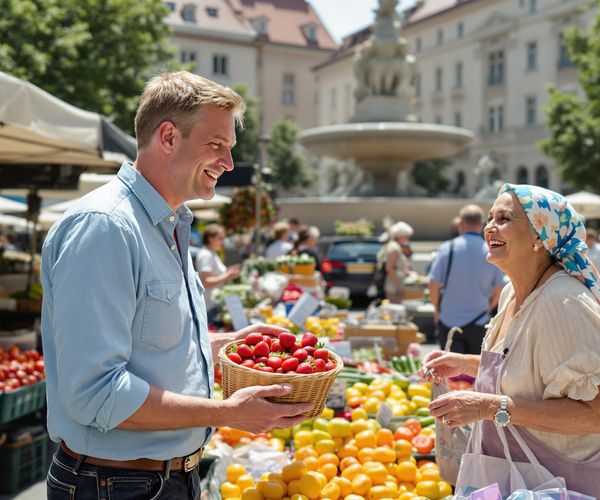
Capturing local customs, food, and architecture is essential for conveying the spirit of a place. These elements add authenticity and depth to your travel photographs. Visit local markets, try traditional dishes, and photograph the unique architecture to capture the essence of a destination. In Budapest, I spent a day exploring the Central Market Hall, photographing the vibrant stalls and sampling local delicacies.
Seek out candid moments that convey the spirit of a place. These spontaneous and unscripted moments often reveal the true character of a destination. Photograph people going about their daily lives, children playing, and street performers entertaining crowds. These candid shots will add a human element to your travel photographs. While walking through the streets of Rome, I captured a series of candid moments of locals interacting with each other, which truly conveyed the city's vibrant atmosphere.
Cultural sensitivity is paramount when photographing people. Always ask permission before photographing someone, especially in cultures where it is considered impolite or intrusive. Respect local customs and traditions, and be mindful of your surroundings. In some countries, it's considered disrespectful to photograph religious sites or ceremonies, so always do your research beforehand.
Camera Settings and Modes: Optimizing for Creative Control
Shooting in manual mode gives you full control over aperture, shutter speed, and ISO. This allows you to fine-tune your camera settings to achieve the desired effect. Experiment with different settings to see how they affect your images. While it may seem daunting at first, shooting in manual mode will greatly enhance your creative control.
Aperture priority mode is great for landscapes, allowing you to control the depth of field. Use a wide aperture (e.g., f/2.8) to blur the background and isolate your subject, or use a narrow aperture (e.g., f/16) to keep everything in focus. Shutter speed priority mode is ideal for action shots, allowing you to freeze motion with a fast shutter speed or create motion blur with a slow shutter speed.
Optimize ISO for different lighting conditions. Use a low ISO (e.g., ISO 100) in bright light to minimize noise, and increase the ISO in low light to brighten your images. Auto ISO can be helpful in situations where the lighting is constantly changing, but be mindful of the noise levels. Modern cameras handle high ISO settings much better than older models, but it's still important to find the right balance.
Post-Processing: Enhancing Your Images
Editing is essential for enhancing tones, colors, and the overall scene. Use editing software like Adobe Lightroom or Capture One to adjust exposure, contrast, and white balance. Editing can bring out the best in your images and correct any imperfections. However, it's important to use editing subtly and avoid over-processing.
Avoid over-adjusting saturation and maintain consistency in editing. Over-saturated colors can look unnatural and garish. Instead, aim for a natural and balanced look. Consistency in editing will give your photographs a cohesive and professional look. Create a preset or use a consistent set of adjustments for all your images from a particular trip.
Shooting in RAW format gives you greater editing flexibility. RAW files contain more information than JPEG files, allowing you to make more significant adjustments without losing image quality. While RAW files take up more storage space, the extra flexibility is well worth it, especially for important travel photographs.
Developing a Unique Shooting Style
Experiment with different techniques and find what works best for you. Try different compositions, lighting conditions, and camera settings to develop your own unique style. Don't be afraid to break the rules and try something new. The more you experiment, the more you'll discover what you like and what works for you.
Telling a story or evoking a specific emotion through your images is key to creating compelling travel photographs. Think about the story you want to tell and the emotions you want to evoke, and then use your photography to convey those ideas. A photograph of a smiling child can convey joy, while a photograph of a deserted street can convey loneliness.
Incorporating personal anecdotes and experiences can enrich your storytelling. Share your thoughts, feelings, and experiences in your captions or blog posts to add a personal touch to your photographs. This will make your images more engaging and relatable for your audience. For example, I often share stories about my family's adventures in Europe, which adds a personal touch to my travel photographs.
Learn creative photography tips to preserve your travel experiences. Capture stunning visuals and document your personal journeys, transcending language barriers through shared experiences.