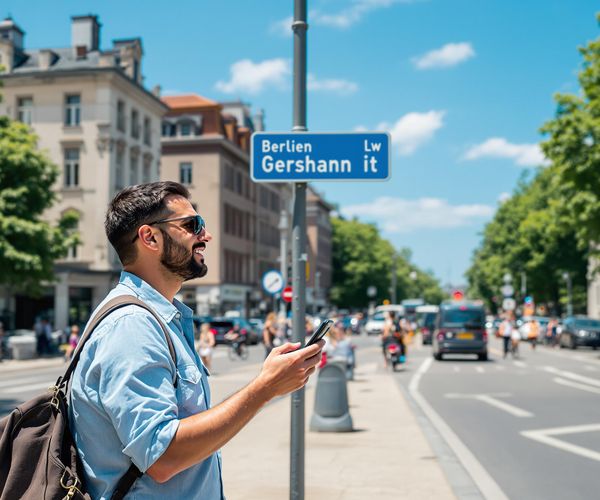

Hey everyone, Daniel here! As a software developer turned travel blogger, I've learned that exploring new places is about more than just seeing the sights. It's about connecting with people and understanding their way of life. And that's where cultural etiquette comes in. Join me as we delve into the importance of respecting traditions while traveling, ensuring enriching and positive experiences for both you and the communities you visit.
Understanding Cultural Etiquette
Cultural etiquette is essentially the unwritten rules of social behavior in a given society. It encompasses everything from greetings and dining customs to dress codes and gift-giving practices. Respecting these customs is crucial because it demonstrates your willingness to learn and adapt, fostering positive interactions with locals. When you show cultural sensitivity, you're not just a tourist; you're an ambassador of goodwill, building bridges and avoiding misunderstandings.
Researching Cultural Practices Before You Go
Before you even pack your bags, dedicate time to research the cultural norms of your destination. This pre-trip preparation is essential for navigating social situations with grace and avoiding unintentional offense.
So, where do you start? Culture Smart Guides are a fantastic resource, providing concise yet comprehensive overviews of various cultures. Travel forums and blogs can offer firsthand insights from fellow travelers who have already experienced the destination. Don't underestimate the power of language! Learning basic phrases in the local language shows respect and willingness to connect. Understanding non-verbal cues, such as gestures and body language, is equally important. A simple nod or bow can go a long way in showing respect.
Navigating Social Norms
Greetings vary significantly across cultures. A handshake might be standard in some places, while a bow or a kiss on the cheek is customary in others. Researching these nuances will help you make a positive first impression. Dining etiquette is another area where cultural differences abound. In some cultures, it's considered impolite to start eating before the host, while in others, slurping your noodles is a sign of enjoyment. Familiarize yourself with these customs to avoid any faux pas. Personal space is also culturally determined. What's considered an appropriate distance in one culture might be perceived as intrusive or aloof in another. Be mindful of these differences and adjust your behavior accordingly.
Being a Considerate Traveler
Dress codes can vary significantly, especially when visiting religious sites or conservative areas. Dressing modestly shows respect for local customs and traditions. Photography etiquette is another important consideration. Always ask permission before taking photos of people, especially in more traditional communities. Be mindful of cultural sensitivities when photographing religious sites or ceremonies. Tipping customs also vary widely. In some countries, tipping is expected, while in others, it's considered unnecessary or even offensive. Research the local tipping practices to avoid any awkward situations.
Common Cultural Missteps and How to Avoid Them
Gestures and body language can have vastly different meanings across cultures. A thumbs-up, for example, is considered positive in many Western countries but is offensive in some parts of the Middle East. Be mindful of your noise levels, especially in public places. What's considered acceptable in one culture might be seen as disruptive in another. Cultural appropriation, or the adoption of elements of a minority culture by members of the dominant culture, is a sensitive issue. Avoid wearing traditional clothing or accessories from other cultures without understanding their significance. Engage respectfully with local traditions, seeking to learn and understand rather than simply imitate.
A guide on respecting cultural norms and practices, enhancing cultural understanding and appreciation.