Hey everyone, Daniel here! Over the years, juggling freelance software development with my passion for travel has taught me a thing or two about capturing those unforgettable moments. I'm excited to share some insights that have helped me elevate my travel photography, blending a bit of tech know-how with artistic flair. Let's dive into how you can capture your adventures with precision and tell compelling stories through your lens.
The Gear Doesn't Make the Photographer, But It Helps: Choosing Your Travel Camera
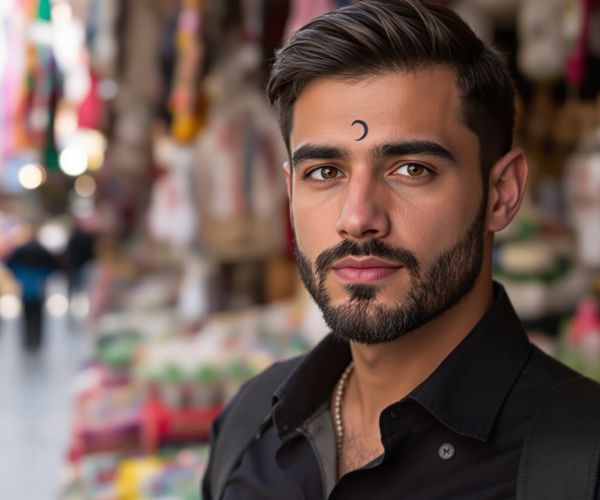
When it comes to travel photography, the options for cameras can seem endless. From smartphones to mirrorless cameras and DSLRs, each has its strengths and weaknesses. Smartphones, for example, are incredibly convenient and have become surprisingly capable. The latest models boast impressive image quality, and they're always in your pocket. However, they can fall short in low light or when you need significant zoom capabilities. {image1}
Mirrorless cameras offer a great balance between portability and image quality. They're lighter than DSLRs but still provide interchangeable lenses and advanced features. DSLRs, on the other hand, are the workhorses of the photography world, offering exceptional image quality and versatility, but they can be bulky and heavy to carry around. Don't forget essential accessories like extra batteries, versatile lenses (a wide-angle and a zoom are my go-to), a sturdy tripod for those stunning landscape shots, and of course, plenty of memory cards to store all your visual memories.
It's worth noting how technology has truly democratized photography. High-quality images are now accessible to everyone, regardless of their budget or skill level. The key is to understand the capabilities of your chosen device and learn how to maximize its potential.
Composition is King: Framing the Perfect Shot
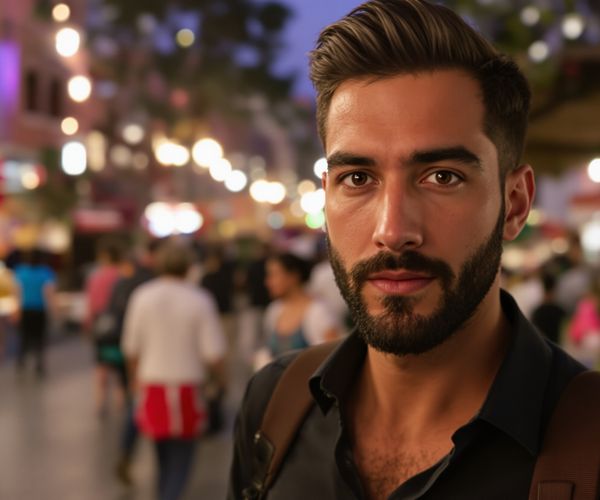
Composition is arguably the most crucial aspect of photography. It's about how you arrange the elements within your frame to create a visually appealing and engaging image. Basic techniques like the rule of thirds, leading lines, symmetry, and perspective can make a world of difference. The rule of thirds involves dividing your frame into nine equal parts and placing key elements along those lines or at their intersections. Leading lines can draw the viewer's eye through the image, creating depth and interest. Symmetry can create a sense of balance and harmony, while playing with perspective can add drama and impact. {image2}
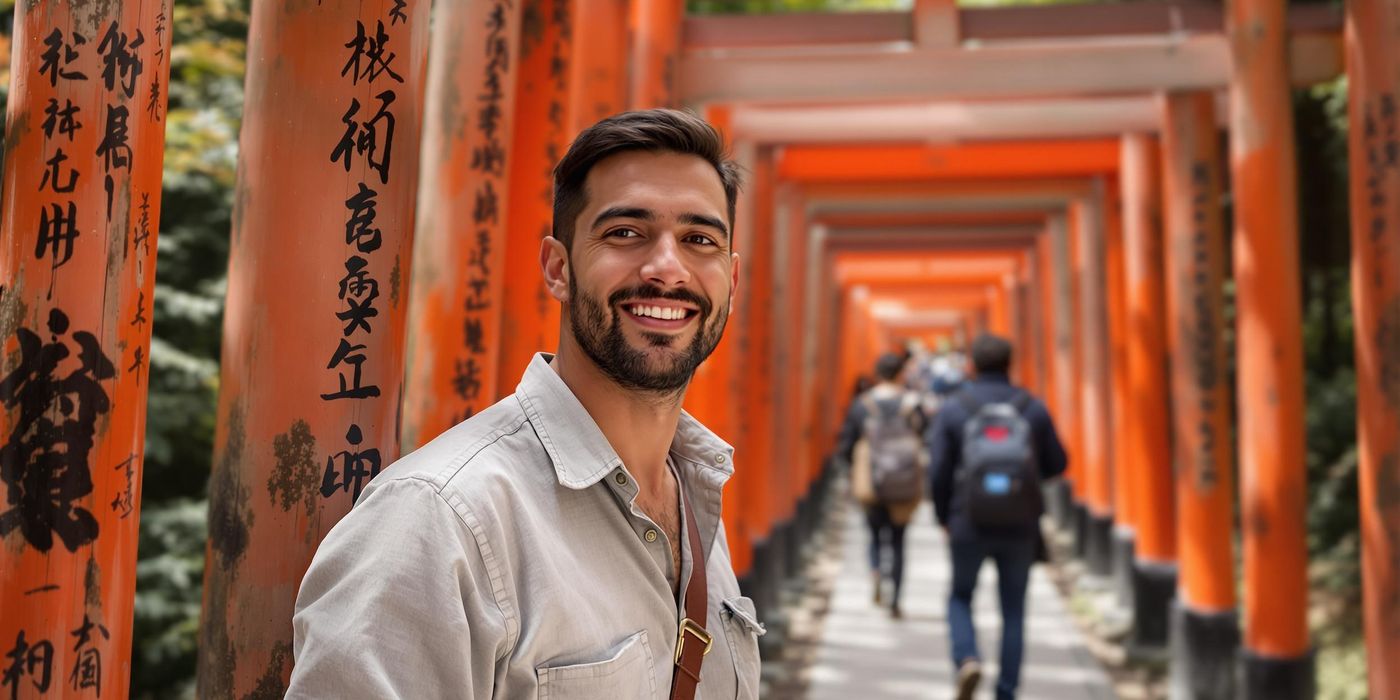
I remember once in Kyoto, Japan, I was struggling to capture the beauty of the Fushimi Inari Shrine with its thousands of vibrant red torii gates. It wasn't until I focused on using leading lines, allowing the seemingly endless path of gates to guide the viewer's eye, that I truly captured the essence of the place. Another time, while photographing the Berlin skyline, I used the symmetry of the Brandenburg Gate to create a sense of balance and grandeur.
Don't underestimate the power of using your environment to your advantage. Look for natural frames, interesting textures, and unique angles that can elevate your composition and make your photos stand out.
Light and Shadow: Mastering Natural Light
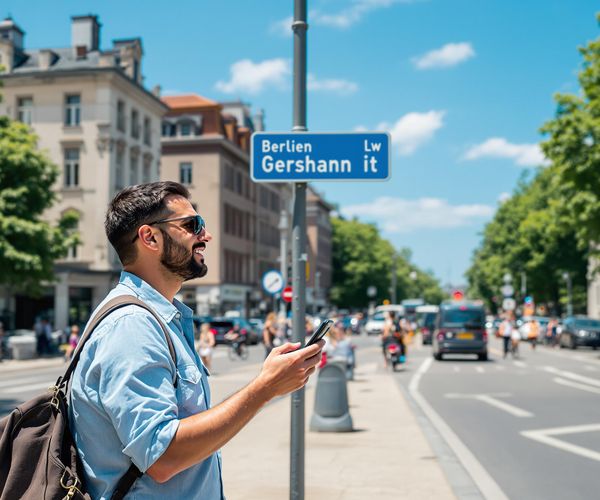
Light is the lifeblood of photography. Understanding how to work with natural light can transform your images from ordinary to extraordinary. The golden hour, that magical time just after sunrise and before sunset, offers warm, soft light that can add a beautiful glow to your photos. The blue hour, the period just before sunrise and after sunset, provides cool, ethereal light that's perfect for capturing cityscapes and landscapes. Even overcast days can be your friend, providing soft, diffused light that's ideal for portraits. {image3}
Shooting in challenging lighting conditions can be tricky, but with a few adjustments, you can still capture great shots. In bright sunlight, try to shoot in the shade or use a diffuser to soften the light. In low light, use a tripod and a slow shutter speed to capture more light, or increase your camera's ISO setting, being mindful of potential noise.
I once photographed the lavender fields of Provence during the golden hour, and the warm, golden light truly brought out the vibrant colors of the flowers, creating a breathtaking image. Another time, while exploring the canals of Amsterdam, I captured the reflections of the colorful buildings during the blue hour, resulting in a stunning and atmospheric shot.
Telling a Story: Capturing the Essence of a Place
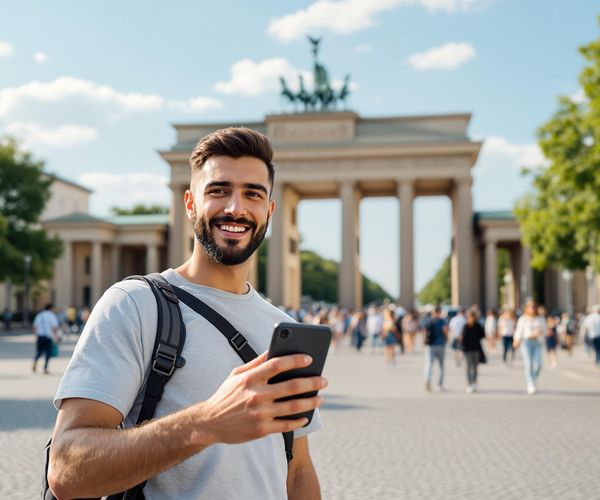
Travel photography is more than just capturing pretty pictures; it's about telling a story. It's about capturing the unique character of a place through its people, culture, and landmarks. It's about capturing candid moments and authentic experiences that convey the essence of a destination. {image4}
When photographing people, try to capture their emotions and expressions. Interact with them, learn about their stories, and ask for permission before taking their picture. When photographing landmarks, try to capture them in a unique way that tells a story about their history or significance. When photographing cultural events, try to capture the energy and excitement of the moment.
One of my favorite travel photos is of an elderly woman selling flowers in a market in Hanoi, Vietnam. Her weathered face and kind eyes told a story of resilience and perseverance. Another memorable photo is of a group of children playing soccer in a dusty field in rural Morocco. Their joy and energy were infectious, and the photo captured the spirit of the place.
Post-Processing Power: Enhancing Your Images
Post-processing is an essential part of the photography workflow. It allows you to enhance your images, correct any imperfections, and bring your creative vision to life. There are many user-friendly editing software options available for both mobile and desktop platforms. For mobile editing, apps like Snapseed and VSCO are excellent choices. For desktop editing, Adobe Lightroom and Capture One are industry-standard tools. {image5}
Basic post-processing tips include adjusting exposure, contrast, color balance, and sharpening. When adjusting exposure, be careful not to overexpose or underexpose your images. When adjusting contrast, be mindful of maintaining a natural look. When adjusting color balance, try to achieve accurate and pleasing colors. When sharpening, be careful not to over-sharpen your images, as this can create unwanted artifacts.
It's important to maintain a natural look and avoid over-editing. The goal of post-processing is to enhance your images, not to transform them into something they're not. AI is playing an increasingly important role in modern photo editing software, offering features like automatic adjustments, content-aware fill, and advanced noise reduction. These tools can save you time and effort while still allowing you to achieve stunning results.
Enhance your travel photography skills with these expert tips on composition, lighting, and storytelling. Learn how to capture the essence of your adventures.