Hey everyone, David here! As a Bajan-Canadian living in Toronto, I've come to appreciate the incredible natural beauty that Ontario has to offer. From the bustling city to serene landscapes, there's something for everyone. One of my favorite ways to connect with nature is through hiking. Over the years, I've learned a thing or two about what it takes to prepare for a successful and safe hike. So, whether you're a seasoned trekker or a newbie eager to hit the trails, let's dive into the essentials for preparing for your next outdoor adventure!
Choosing the Right Trail in Ontario
Ontario is a hiker's paradise, offering a diverse range of trails that cater to all skill levels. You can find everything from gentle, accessible strolls to more challenging climbs that test your endurance. I've spent countless weekends exploring Ontario Provincial Parks, each offering its unique charm and natural beauty.
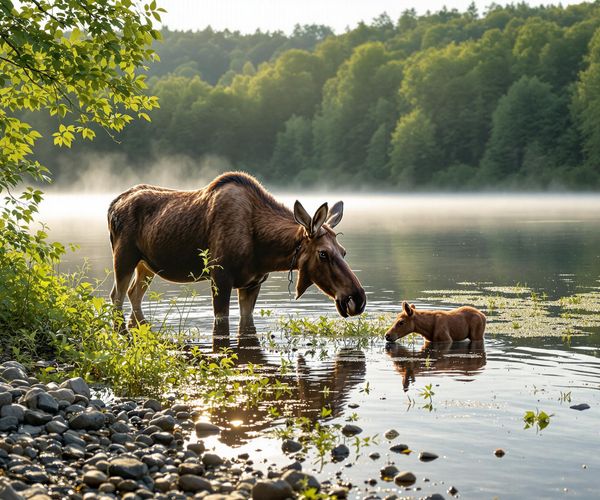
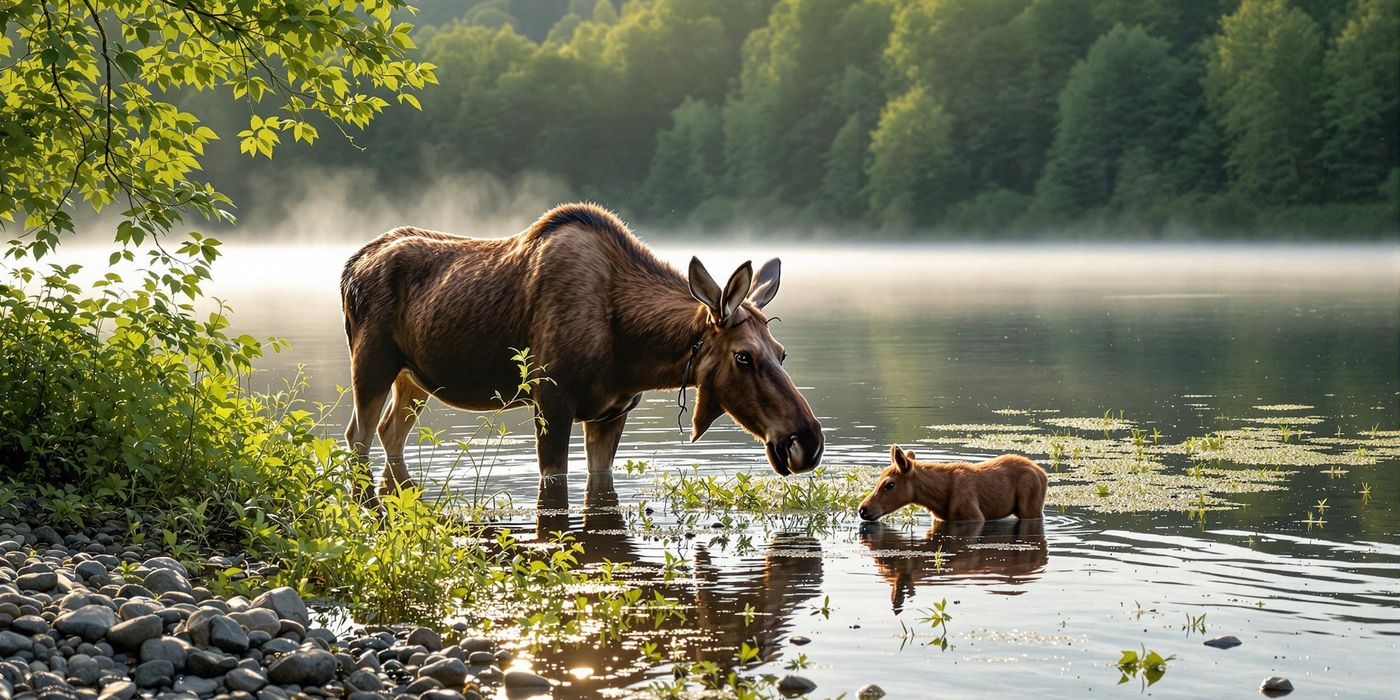
One of my most memorable hikes was in Algonquin Park. The trails there wind through stunning forests and alongside pristine lakes. I remember one particular trip where Ethan, my son, spotted a moose grazing by the water's edge – an unforgettable moment! Then there's Killarney Provincial Park, with its rugged pink granite cliffs and clear turquoise waters. The scenery is simply breathtaking. And, of course, we can't forget the iconic Bruce Trail, which offers seemingly endless opportunities for exploration along the Niagara Escarpment.
When choosing a trail, consider your fitness level and the experience of everyone in your group. Some trails are well-maintained and relatively flat, while others involve steep inclines and uneven terrain. Always check trail maps and read recent reviews to get an idea of the conditions and difficulty level.
Essential Gear for a Safe Hike
Having the right gear can make all the difference between an enjoyable hike and a miserable one. Let's start with footwear. A sturdy pair of hiking boots or trail shoes is crucial for providing support and traction on varied terrain. Make sure they're broken in before your hike to avoid blisters!
Clothing-wise, moisture-wicking fabrics are your best friend. They'll help keep you dry and comfortable, even when you're working up a sweat. Layering is also key, as the weather can change quickly, especially in the spring and fall. A waterproof jacket is a must-have, even if the forecast looks clear.
Now, let's talk about the 'Ten Essentials.' These are items that every hiker should carry, regardless of the length or difficulty of the hike. They include:
- Navigation tools (map and compass or GPS)
- Sun protection (sunscreen, hat, sunglasses)
- Insulation (extra clothing)
- Illumination (headlamp or flashlight)
- First-aid supplies
- Fire starter
- Repair kit and tools
- Nutrition (extra food)
- Hydration (water and a way to purify it)
- Emergency shelter
I recently upgraded my backpack to a more durable model with better back support. It made a huge difference on a recent hike in the Rouge National Urban Park! Also, a reliable headlamp is essential, especially if you plan to hike in the early morning or late evening.
Planning and Preparation Tips
Proper planning is just as important as having the right gear. Before you head out, research your trail thoroughly. Check the distance, elevation gain, and any potential hazards. Read recent trail reports to get an idea of the current conditions. And, most importantly, check the weather forecast!
Always share your hiking itinerary with someone you trust. Let them know where you're going, when you expect to be back, and who to contact in case of an emergency. This simple step can be a lifesaver if something goes wrong.
Choosing the right backpack is also crucial. Consider the length of your hike and the amount of gear you'll need to carry. A daypack with a capacity of 20-30 liters is usually sufficient for a day hike. Make sure the backpack fits well and is comfortable to carry, even when fully loaded.
When it comes to packing, efficiency is key. Use ditty bags to organize your gear and compression sacks to save space. Pack heavier items closer to your back for better balance. And don't forget to bring a map and compass, even if you're using a GPS !
Safety Considerations on the Trail
Safety should always be your top priority when hiking. Stick to marked trails and avoid shortcuts, as they can be dangerous and damaging to the environment. Be aware of your surroundings and watch out for wildlife. In Ontario, you might encounter snakes, bears, or other animals. Knowing how to handle these encounters is essential.
Hydration is also crucial. Carry plenty of water and drink it regularly, even if you don't feel thirsty. A good rule of thumb is to drink at least half a liter of water per hour of hiking. If you're hiking in a remote area, consider bringing a water filter or purification tablets to treat water from natural sources.
During the summer months, heat exhaustion and heatstroke are serious risks. Wear light-colored, loose-fitting clothing, take frequent breaks in the shade, and drink plenty of water. If you start to feel dizzy, nauseous, or weak, stop hiking immediately and seek medical attention.
Embracing Nature Responsibly
As hikers, it's our responsibility to protect the natural environment. Practice Leave No Trace principles: pack out everything you pack in, stay on marked trails, and avoid disturbing wildlife or vegetation.
Staying on trails is especially important, as it helps prevent erosion and protects fragile ecosystems. Be mindful of where you step and avoid trampling plants or disturbing soil. And never feed the animals, as it can disrupt their natural behaviors and make them dependent on humans.
Take the time to learn about the local flora and fauna. The more you know about the natural world, the more you'll appreciate it – and the more likely you'll be to protect it. By embracing nature responsibly, we can ensure that future generations will have the opportunity to enjoy the beauty of Ontario's hiking trails.
David Clarke shares essential tips and gear recommendations for a safe and enjoyable hiking experience in Ontario, emphasizing trail selection, safety, and environmental responsibility.