Hey everyone, David here! I'm excited to share some thoughts on a travel style that's completely changed the way I see the world: slow travel. As someone who used to rush from one tourist spot to another, ticking off destinations like items on a to-do list, I've come to realize that travel is about so much more than just seeing places. It's about experiencing them, connecting with the local culture, and savoring every moment.
What is Slow Travel?
Slow travel is an approach that emphasizes connection, immersion, and unique experiences. It's the antithesis of conventional tourism, where the goal is often to see as many places as possible in the shortest amount of time. Instead, slow travel encourages you to spend more time in fewer places, allowing you to truly understand and appreciate the local culture.
The origins of slow travel can be traced back to the Slow Food movement in Italy, which emerged in the 1980s as a response to the rise of fast food. Just as the Slow Food movement promotes the enjoyment of locally sourced, traditionally prepared meals, slow travel encourages a more deliberate and mindful approach to exploring the world. It's about quality over quantity, depth over breadth, and creating meaningful memories that will last a lifetime.
My Journey to Slowing Down
I remember one trip in particular, years ago, when Aisha and I tried to cram five European cities into a single week. We raced through museums, snapped photos in front of famous landmarks, and ate hurried meals in tourist traps. By the end of the trip, we were exhausted and felt like we hadn't really seen anything at all. It was more like a blur of images and sensations, with no real connection to the places we had visited.
That's when I realized something had to change. I wanted to travel in a way that allowed me to truly connect with the people and places I was visiting, to learn about their history and culture, and to create lasting memories. That's when I discovered the joy of slow travel. It wasn't just about ticking off destinations; it was about savoring the moments, immersing myself in the local culture, and letting the journey unfold naturally.
The Transformative Benefits of Slow Travel
Since embracing slow travel, I've experienced a number of transformative benefits:
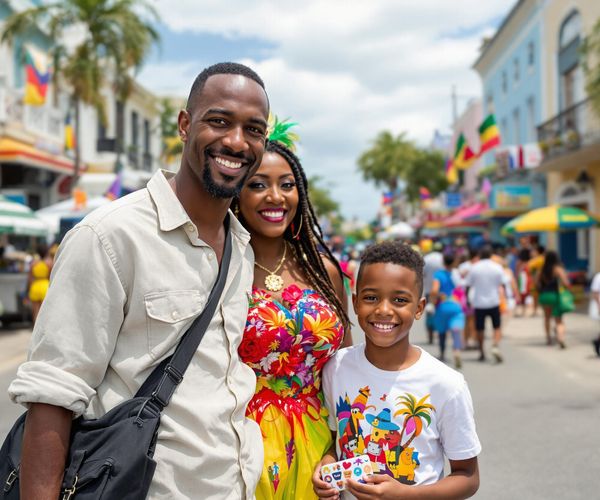
- Deeper Cultural Immersion: Spending more time in one place allows you to move beyond the surface and truly understand the local culture. You have the opportunity to meet locals, learn about their traditions, and build meaningful relationships. For example, when Aisha and I spent a month in a small village in Barbados, we were invited to participate in local festivals, learn traditional Bajan cooking, and even try our hand at playing cricket with the local kids.
- Enhanced Well-being: The relaxed pace of slow travel reduces stress and allows for reflection. You have more time to relax, recharge, and connect with yourself. Instead of rushing from one activity to the next, you can simply enjoy the moment, whether it's sipping coffee in a local café, strolling through a park, or watching the sunset over the ocean.
- Environmental Conservation: Slow travel often involves slower and more sustainable modes of transportation, such as trains, buses, or cycling, which reduces your carbon footprint. You can also support local businesses and initiatives that are committed to environmental conservation. For example, when we visited Costa Rica, we chose to stay in eco-lodges that were powered by renewable energy and supported local conservation efforts.
- Support for Local Economies: By staying in local accommodations, eating at family-run restaurants, and buying from local artisans, you can directly support the local economy and help to preserve traditional ways of life. It's a way of giving back to the community and ensuring that your travels have a positive impact.
Tips for Planning Your Slow Travel Itinerary
If you're interested in trying slow travel, here are a few tips to get you started:
- Choosing a Destination: Focus on destinations known for their slow pace and rich culture. Consider smaller towns and rural areas, where you're more likely to encounter authentic local experiences. For example, instead of visiting a major European capital, consider exploring a charming village in the Italian countryside or a coastal town in Portugal.
- Prioritizing Experiences: Select a few key experiences that are meaningful to you, rather than trying to see everything. Do you want to learn how to cook traditional dishes? Take a language class? Volunteer at a local organization? Focus on activities that will allow you to connect with the local culture and create lasting memories.
- Sustainable Transportation: Opt for trains, buses, or cycling to reduce your environmental impact and experience the journey in a more immersive way. These modes of transportation allow you to see the landscapes and interact with locals along the way. Plus, they're often more affordable than flying.
- Living Like a Local: Stay in local accommodations, such as guesthouses or apartments, and eat at family-run restaurants. Visit local markets, attend local events, and participate in local activities. The more you immerse yourself in the local culture, the more rewarding your travel experience will be.
Embracing the Unexpected
One of the most important aspects of slow travel is leaving room for spontaneity and unplanned adventures. Be open to changing your plans, following your intuition, and embracing the unexpected. Some of the most memorable experiences I've had while traveling have been the result of chance encounters or spontaneous decisions.
For example, on a recent trip to Kyoto, Japan, we stumbled upon a small, family-run tea house tucked away in a quiet alley. We spent hours chatting with the owner, learning about the art of tea ceremony, and sampling different varieties of tea. It was an experience that we never could have planned, but it turned out to be one of the highlights of our trip. So, don't be afraid to wander off the beaten path, strike up conversations with locals, and say yes to new experiences. You never know what adventures await you!
Explore the concept of slow travel and its benefits for deeper cultural immersion and relaxation. Discover tips for planning a slow travel itinerary and embrace the unexpected.