As a historical archivist with a penchant for travel, I've always believed that language is more than just a means of communication; it's a gateway to understanding different cultures and forging deeper connections with the people we meet along the way. My journey, from the Cajun heartland of Louisiana to the bilingual streets of Montreal, has reinforced this belief time and again. Join me as I share some insights on how to embrace language learning while exploring the world.
The Allure of Linguistic Immersion
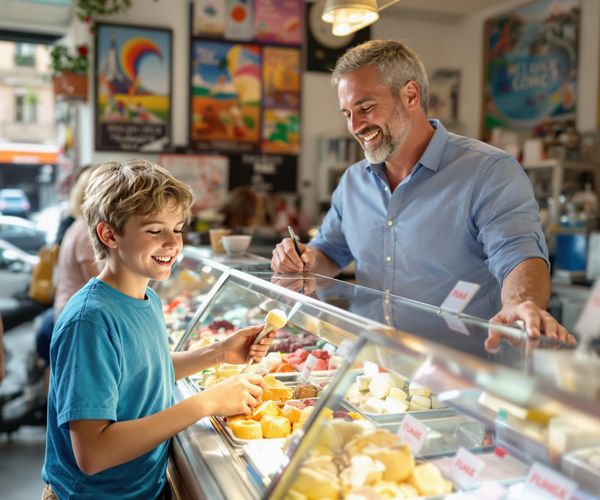
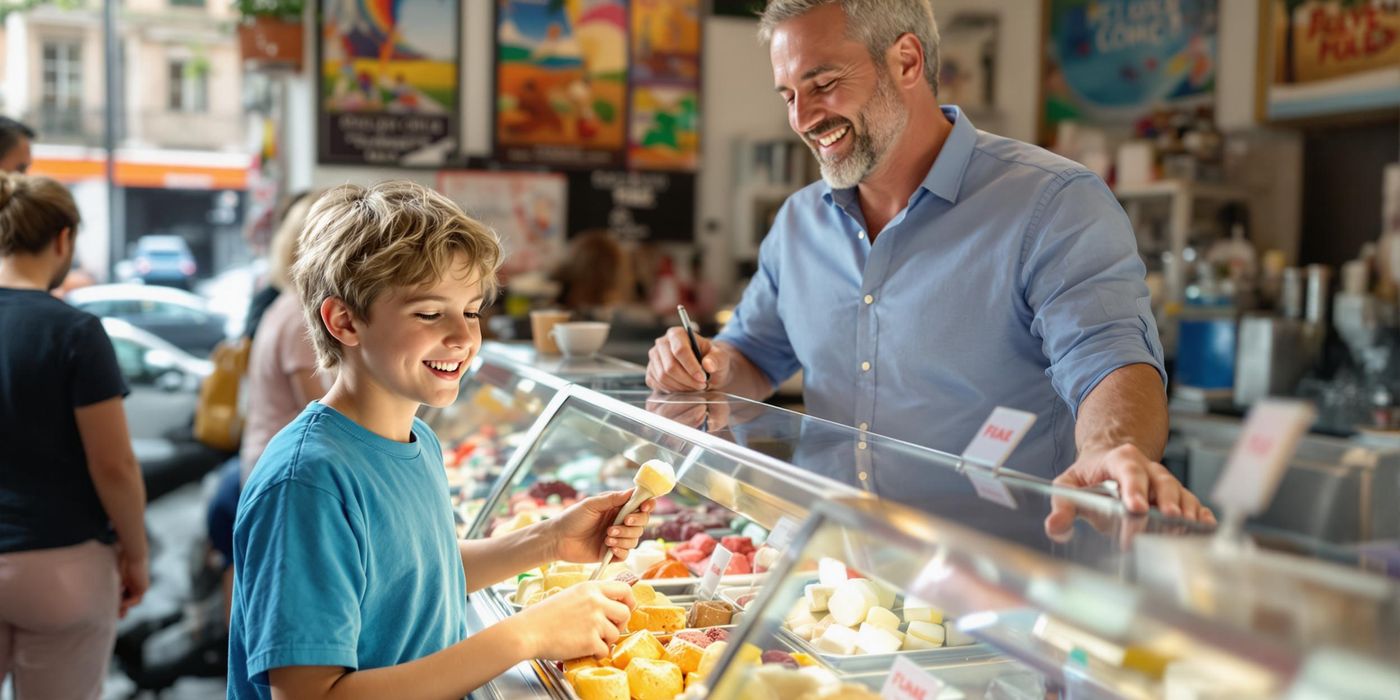
Living in Montreal, a city where French and English intertwine, has given me a firsthand appreciation for the power of language. It's not just about ordering a croissant or asking for directions; it's about understanding the nuances of a culture, the humor in its expressions, and the history embedded in its words. When you learn even a little of the local language, you transform from a tourist into a traveler, someone who's genuinely interested in connecting with the people and places you visit. And for my son, Émile, learning languages has opened his eyes to a world of possibilities. Seeing him attempt to order gelato in Italian during our trip to Rome was priceless. It's about creating those moments, those shared experiences that enrich our lives.
Pre-Trip Preparations: Laying the Linguistic Foundation
Before embarking on any trip, I always make sure to arm myself with a few essential language tools. In today's digital age, there's no shortage of resources available. Apps like Duolingo, Babbel, and Memrise are fantastic for building vocabulary and mastering basic grammar. I'm also a big believer in creating a personalized phrasebook. Instead of just memorizing generic phrases, I focus on vocabulary related to my interests. For example, before a trip to France, I might include terms related to local history or specific dishes I want to try. Don't forget to practice your pronunciation! Listening to podcasts and watching videos in the target language can help you get a feel for the rhythm and intonation. Even a few basic phrases, like hello, thank you, and excuse me, can go a long way in showing respect and building rapport with locals.
Immersion Techniques: Diving into the Deep End
Once you arrive at your destination, the real language learning begins. The key is to immerse yourself as much as possible in the local culture. Start by using the language in everyday situations, even if it's just ordering food at a restaurant or asking for directions. Don't be afraid to make mistakes! Embrace them as learning opportunities. Seek out local markets, cafes, and community events where you can interact with native speakers in authentic settings. I also recommend attending language exchange meetups or conversation groups. These informal gatherings provide a relaxed and supportive environment for practicing your language skills and meeting new people. Remember, the goal is not to be perfect, but to communicate and connect with others.
Leveraging Technology: Modern Tools for Language Acquisition
While immersion is key, technology can also be a valuable asset in your language learning journey. Language translation apps like Google Translate and iTranslate can be lifesavers when you're struggling to understand something. However, it's important to use them as a supplement, not a replacement, for real-world interaction. There are also countless language learning podcasts and YouTube channels that offer engaging and informative content. I'm a big fan of apps that incorporate gamification and spaced repetition, like Anki, as they can help you stay motivated and retain new vocabulary more effectively. Just remember that technology is a tool, and the most important thing is to use it to enhance your learning experience, not to replace human interaction.
Connecting with Locals: The Heart of Language Learning
Ultimately, the most rewarding aspect of language learning is the opportunity to connect with people from different cultural backgrounds. Engaging in conversations with native speakers is invaluable for improving your fluency and gaining a deeper understanding of their culture. Join local tours, workshops, or cultural activities to meet people who share your interests. When initiating conversations, be respectful, open-minded, and genuinely curious. Ask questions about their lives, their customs, and their perspectives. Remember that language is a two-way street. Be willing to share your own stories and experiences as well. By building bridges of understanding, you can create meaningful connections that will last a lifetime.
The Role of Food and Culture in Language Learning
One of my favorite ways to learn a language is through food and culture. Exploring local cuisine and traditions can provide a rich and immersive learning experience. Taking cooking classes or food tours is a great way to learn culinary vocabulary and gain insights into the cultural context of the dishes you're preparing. Attending local festivals and cultural events is another fantastic way to immerse yourself in the language and traditions of the region. I still remember learning to make gumbo during a family reunion in Opelousas, and how that experience deepened my connection to my Cajun heritage. Sharing meals and cultural experiences is a powerful way to break down barriers and build relationships, and it's an essential part of any language learning journey.
Learn how to pick up new languages during your travels, enhancing your cultural experiences.