
As a historical archivist with a passion for culture, I've always believed that travel is more than just seeing new places; it's about experiencing new perspectives. My wife, Sophie, our son, Émile, and I have made it our mission to explore the world, not as tourists, but as curious participants eager to blend into the tapestry of local traditions. Join us as we share our insights on how to respectfully and meaningfully merge cultural experiences during your travels.
Understanding Cultural Synthesis
Cultural synthesis, at its core, is the blending of different cultural elements to create something new and unique. In the context of travel, it's about actively engaging with various traditions, customs, and perspectives to enrich your understanding of the world. It's not simply observing from a distance but immersing yourself in the local way of life, allowing yourself to be influenced and transformed by the experience.
This blending enriches travel experiences by adding layers of depth and meaning. Instead of just seeing famous landmarks, you start to understand the stories behind them, the people who built them, and the traditions they represent. It transforms your journey from a superficial sightseeing tour into a profound exploration of human history and connection.
Historically, cultural synthesis has been a constant force shaping societies around the globe. Trade routes like the Silk Road facilitated the exchange of goods, ideas, and artistic styles between East and West. Migration patterns have led to the fusion of languages, cuisines, and religious practices. Exploration, while often marred by colonialism, also resulted in the interaction and blending of cultures, leaving lasting impacts on both the colonizers and the colonized.
Respectful Engagement: The Foundation of Cultural Blending
The cornerstone of any meaningful cultural blending is respect. It's crucial to approach every new culture with humility and a genuine desire to learn. This means being mindful of local customs and traditions, even if they differ significantly from your own. Remember, you are a guest in their home, and it's your responsibility to be a respectful one.
Cultural appropriation, on the other hand, is the adoption of elements of a minority culture by members of the dominant culture, often without understanding or respecting their original context. To avoid this, focus on genuine connection and exchange. Learn about the history and significance of cultural practices before participating in them. Support local artisans and businesses instead of buying mass-produced souvenirs that exploit cultural symbols.
One of the most effective ways to show respect and foster connection is by learning the local language, even if it's just a few basic phrases. A simple hello, thank you, or excuse me in the local tongue can go a long way in building rapport and demonstrating your willingness to engage with the culture on its own terms. Similarly, familiarizing yourself with local etiquette, such as dining customs or dress codes, shows that you've taken the time to understand and appreciate their way of life.
Curating Your Cultural Itinerary
Planning a trip that prioritizes cultural blending requires a bit of research and a willingness to step off the beaten path. Start by identifying authentic cultural experiences that resonate with your interests. Look beyond the typical tourist attractions and seek out opportunities to interact with locals and learn about their daily lives.
Participating in local festivals and community events is a fantastic way to immerse yourself in the culture. These events often showcase traditional music, dance, food, and crafts, providing a vibrant and engaging glimpse into the heart of the community. Check local event listings and tourism websites to find festivals and celebrations that coincide with your travel dates.
Supporting local artisans and businesses is another way to promote cultural preservation and economic sustainability. Seek out locally owned shops, restaurants, and tour operators that prioritize ethical and responsible practices. Buy handmade crafts directly from the artisans who create them, ensuring that your money goes directly to the community.
Family Travel: Sharing Cultural Experiences with Émile
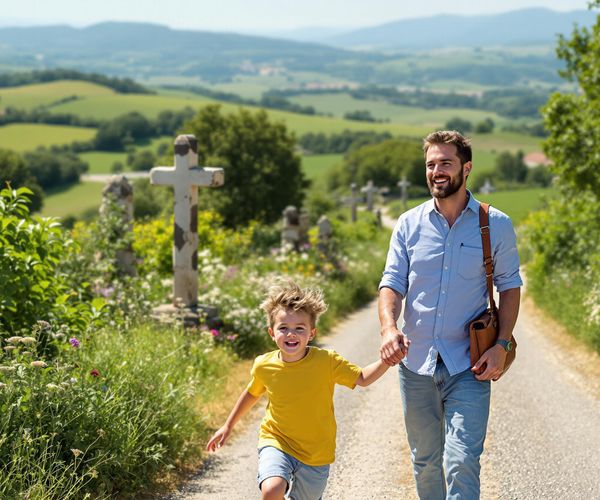
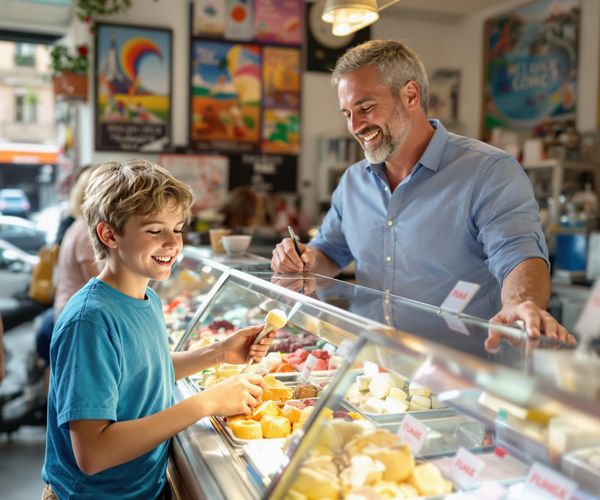
Traveling with children provides a unique opportunity to introduce them to different cultures and foster a global perspective from a young age. When planning activities for Émile, we always consider his age and interests, choosing experiences that are both educational and engaging. For example, visiting a local market can be a fun way to learn about new foods and customs, while attending a traditional music performance can spark an interest in different art forms.
Teaching children about cultural sensitivity and respect is an ongoing process. We encourage Émile to ask questions, listen attentively to local stories, and be mindful of his behavior in different cultural settings. We also emphasize the importance of empathy and understanding, helping him to see the world from different perspectives.
Family travel offers countless benefits, from strengthening bonds to broadening horizons. By exposing children to different cultures, we help them develop a greater appreciation for diversity, a deeper understanding of the world, and a lifelong love of learning.
Personal Anecdotes: Sophie and David's Cultural Explorations
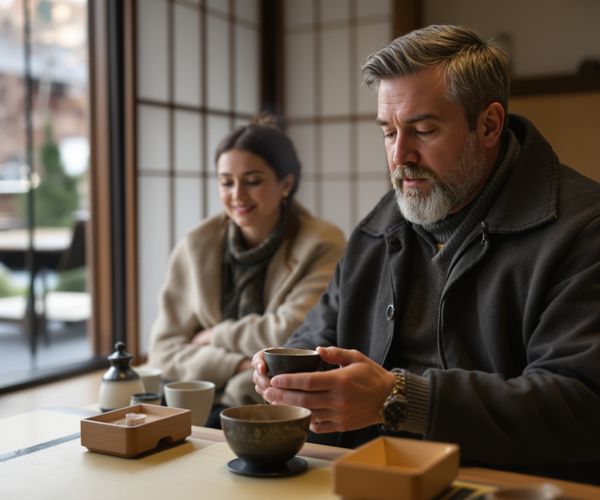
One of our most memorable cultural blending experiences occurred during a trip to Kyoto, Japan. We participated in a traditional tea ceremony, learning about the intricate rituals and the deep symbolism behind each gesture. The experience not only gave us a glimpse into Japanese culture but also taught us about mindfulness, respect, and the importance of slowing down and appreciating the present moment.
Another enriching experience took place in Oaxaca, Mexico, where we volunteered at a local community center that supports indigenous artisans. We learned about traditional weaving techniques, helped to prepare meals for the community, and participated in local celebrations. The experience allowed us to connect with the local people on a deeper level and gain a greater understanding of their struggles and triumphs.
These experiences, and many others, have profoundly shaped our understanding of the world. They have taught us the importance of cultural exchange, the power of human connection, and the transformative potential of travel. By embracing cultural synthesis, we have not only enriched our own lives but also contributed to a more interconnected and understanding world.
Explore the world, not as tourists, but as curious participants eager to blend into the tapestry of local traditions. Learn how to respectfully and meaningfully merge cultural experiences during your travels.