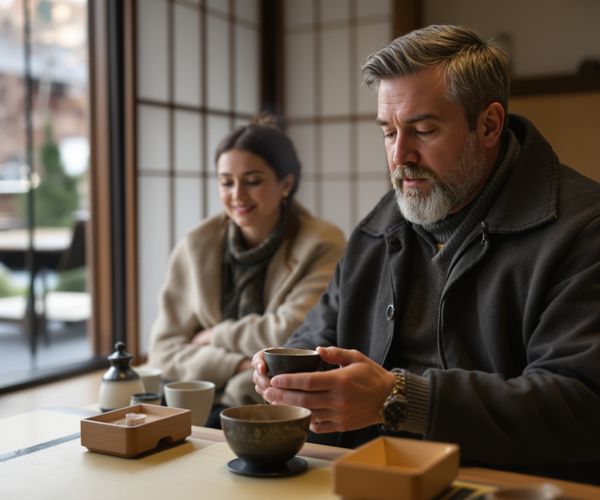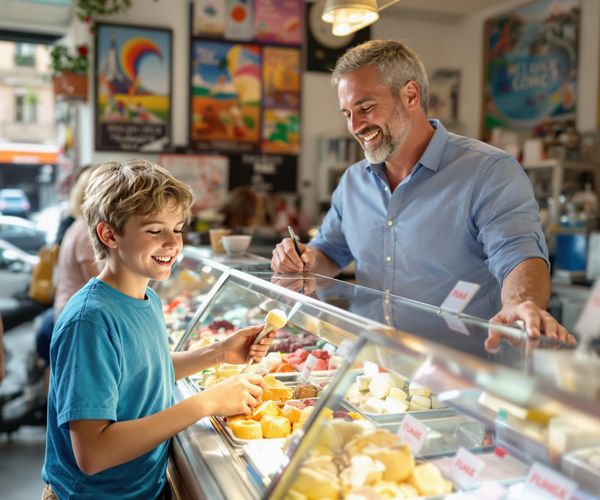

Food, for me, has always been more than just sustenance; it's a passport to another world. As a historical archivist with a penchant for travel, I've discovered that the most authentic way to understand a culture is through its cuisine. My wife, Sophie, our son, Émile, and I have shared countless adventures where the local food scene became the cornerstone of our experience. This isn't just about eating; it's about immersing ourselves in the stories, traditions, and values that shape a community's culinary identity.
The Allure of Culinary Travel
Culinary tourism is booming, and for good reason. It offers a unique lens through which to view a destination. Food isn't just fuel; it's a cultural artifact, reflecting a region's history, environment, and social dynamics. Take, for example, my own Cajun heritage. The dishes of Louisiana tell a story of resilience, resourcefulness, and the blending of diverse influences – French, Spanish, African, and Native American. Similarly, exploring Montreal's food scene, from its smoked meat to its poutine variations, reveals the city's rich multicultural tapestry. These aren't just meals; they're historical narratives on a plate.
Finding Authentic Cooking Classes
Want to truly connect with a place? Dive into its cooking. Researching and selecting the right cooking class is key. Look beyond the tourist traps and seek out classes taught by local chefs or families. These are the keepers of culinary traditions, eager to share their knowledge and passion. Consider what you want to learn. Are you interested in regional specialties or traditional techniques? A hands-on class focusing on pasta making in Bologna, Italy, for example, will offer a completely different experience than a class on preparing tagines in Marrakech, Morocco.
I recall a cooking class we took in Oaxaca, Mexico. It was held in a family's home, and we learned to make mole from scratch, grinding the spices by hand using a traditional metate. It was challenging, messy, and utterly rewarding. Not only did we learn to create an iconic dish, but we also gained insights into the cultural significance of food in Oaxacan society. The lesson? Authenticity trumps perfection every time.
Navigating Local Markets: A Sensory Feast
Local markets are the heart and soul of a destination's food culture. Visiting them is like stepping into a living, breathing encyclopedia of local ingredients and culinary customs. Don't just browse; engage with the vendors. Ask questions, sample local products, and be open to trying unfamiliar ingredients and dishes. You might discover your new favorite snack or a hidden culinary gem.
One of my favorite markets is the Jean-Talon Market here in Montreal. The explosion of colors, aromas, and flavors is intoxicating. From Quebec cheeses to locally grown produce, it's a celebration of the region's bounty. I always make a point of trying something new, whether it's a seasonal fruit or a handcrafted pastry. These experiences deepen my understanding of the local culture and connect me to the community in a meaningful way.
The Joys of Food Festivals
Food festivals are vibrant celebrations of culinary heritage, offering a concentrated dose of a destination's food culture. The atmosphere is electric, the food is plentiful, and the opportunities for cultural exchange are endless. To make the most of a food festival, plan ahead. Research the festival's schedule, identify the vendors you want to visit, and pace yourself. It's easy to get overwhelmed by the sheer variety of offerings, so prioritize what interests you most.
Sophie, Émile and I attended the New Orleans Jazz & Heritage Festival a few years back, and it was a feast for the senses. While the music was incredible, the food was equally captivating. From jambalaya to beignets, we sampled the best of Louisiana cuisine while soaking in the city's unique cultural atmosphere. Sharing these culinary experiences with my family created lasting memories and strengthened our connection to the region.
Connecting with Local Chefs and Food Experts
For deeper insights into a destination's cuisine, seek out local chefs and food experts. These individuals possess a wealth of knowledge and passion, and they're often eager to share their expertise. Connect with them through online forums, social media, or local tourism boards. Don't be afraid to ask questions and engage in conversations. You might be surprised by what you learn.
During a trip to Tuscany, Italy, I had the opportunity to interview a local chef who specialized in traditional Tuscan cuisine. He shared stories about his family's culinary history, the importance of using local ingredients, and the secrets to preparing authentic dishes. This encounter not only enriched my understanding of Tuscan food culture but also gave me a newfound appreciation for the art of cooking.
Beyond the Plate: Understanding Food's Cultural Context
Ultimately, discovering a destination through its cuisine is about more than just eating delicious food. It's about understanding the historical, social, and environmental factors that shape a region's culinary identity. Research the origins of local dishes and ingredients. Explore the role of food in cultural traditions and celebrations. Consider how food reflects a culture's values and beliefs.
For example, the tradition of afternoon tea in England is deeply rooted in the country's social history. It's a ritual that reflects the importance of hospitality, conversation, and community. Similarly, the practice of sharing meals in many cultures around the world underscores the value of togetherness and connection. By understanding the cultural context of food, we can gain a deeper appreciation for the destinations we visit and the people who call them home.
Explore the world through its cuisine! Discover how food unlocks cultural understanding with tips on cooking classes, markets, and connecting with local chefs.