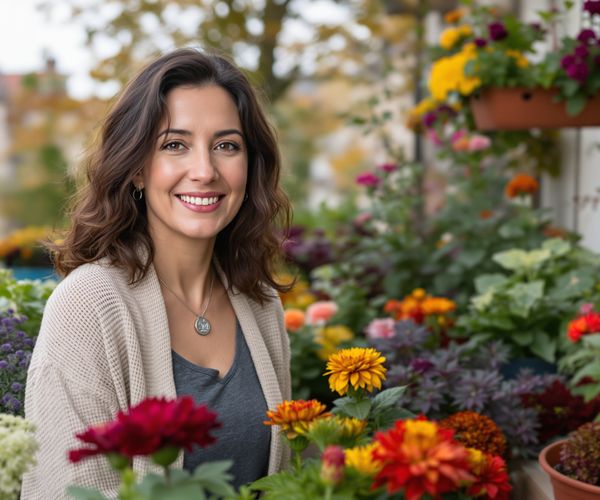
The aroma of dill and lemon mingled with the earthy scent of potatoes fills my Leipzig kitchen, a symphony of Greek memories and German practicality. Here, in the heart of Saxony, I, Eleni Papadopoulou-Schmidt, a Greek librarian with a penchant for culinary adventures, have found a way to bridge my two worlds. This isn't just about cooking; it's about weaving together stories, histories, and the very essence of what makes a place home.
The Allure of Culinary Travel
There's a unique joy in experiencing a new culture through its cuisine. It's more than just tasting exotic flavors; it's about understanding the history, the traditions, and the heart of a place. Food is a universal language, a gateway to connecting with people and places on a deeper level.
I remember once, during a trip to Crete, I stumbled upon a small taverna tucked away in the mountains. The owner, a weathered old woman with eyes that twinkled like the Aegean Sea, insisted I try her dakos, a simple barley rusk topped with tomatoes, feta, and olive oil. It was the most delicious thing I had ever tasted, not just because of the fresh ingredients, but because of the story it told – a story of sun-drenched islands, resilient people, and the simple pleasures of life.
Bridging Greece and Germany: A Personal Culinary Journey
My journey began in Livadeia, Greece, a town steeped in ancient history and mythology. Growing up, my Yiayia’s kitchen was my classroom, where I learned the secrets of traditional Greek cooking. Then, life took a turn when I met Hans-Peter, a kind and brilliant software engineer from Germany, during an archaeological dig. Love blossomed, and I found myself transplanting my life – and my culinary heritage – to Leipzig.
At first, it was challenging. The ingredients were different, the climate was different, even the way people approached cooking felt foreign. But I was determined to keep my Greek traditions alive, and so I started experimenting. I began incorporating familiar Greek recipes into my new German kitchen, adapting them to the local ingredients I could find. One of the first dishes I tackled was spanakopita, the classic Greek spinach pie. I used German quark cheese instead of feta, and the result was surprisingly delicious – a creamy, tangy filling encased in flaky filo pastry. It became a symbol of my blended life, a testament to the fact that you can bring your heritage with you, wherever you go.
Sourcing Local: Embracing German Ingredients
One of the keys to successful culinary blending is embracing the local ingredients. Germany, with its rich agricultural landscape, offers a plethora of delicious options. Instead of longing for ingredients from home, I decided to explore what was available here.
German potatoes, for example, are a staple in my kitchen. They have a slightly different texture than Greek potatoes, but they work beautifully in dishes like patates lemonates, lemon-roasted potatoes. German cabbage, especially sauerkraut, adds a unique tang to salads and stews. And of course, there are the sausages! While they're not traditionally Greek, I sometimes add a slice or two of bratwurst to my bean soup for a smoky depth of flavor. These substitutions not only make my cooking more sustainable, but they also add a new dimension to the familiar flavors of home. The flavors of these ingredients subtly complement, and at times, delightfully alter the original Greek recipes, creating something new and exciting.
A Recipe Reimagined: Moussaka with a German Twist
Let's take moussaka, for example, that iconic Greek eggplant bake. Here's a slightly adapted version using local German ingredients:
Ingredients:
- 2 large eggplants
- 500g ground lamb or beef
- 1 large onion, chopped
- 2 cloves garlic, minced
- 400g canned crushed tomatoes
- 100ml dry red wine
- 1 tsp cinnamon
- 500g potatoes, peeled and thinly sliced
- 250g German mountain cheese (like Bergkäse), grated
- For the béchamel sauce:
- 50g butter
- 50g flour
- 750ml milk
- Pinch of nutmeg
Instructions:
- Slice the eggplants and potatoes, salt them, and let them sit for 30 minutes to draw out excess moisture. Pat dry.
- Brown the ground meat with onion and garlic. Add crushed tomatoes, red wine, and cinnamon. Simmer for 20 minutes.
- Fry the eggplant and potatoes in olive oil until golden brown.
- Prepare the béchamel sauce by melting butter, whisking in flour, and gradually adding milk. Simmer until thickened. Season with nutmeg.
- Layer eggplant, potatoes, meat sauce, and grated cheese in a baking dish. Top with béchamel sauce and more cheese.
- Bake at 180°C (350°F) for 45 minutes, or until golden brown and bubbly.
The German twist here is the Bergkäse, a nutty, slightly sharp mountain cheese that replaces the traditional Greek kefalotyri. It adds a wonderful depth of flavor that complements the richness of the meat sauce and the sweetness of the eggplant. I chose this substitution because Bergkäse is readily available in Leipzig and offers a similar hard, salty profile to kefalotyri.
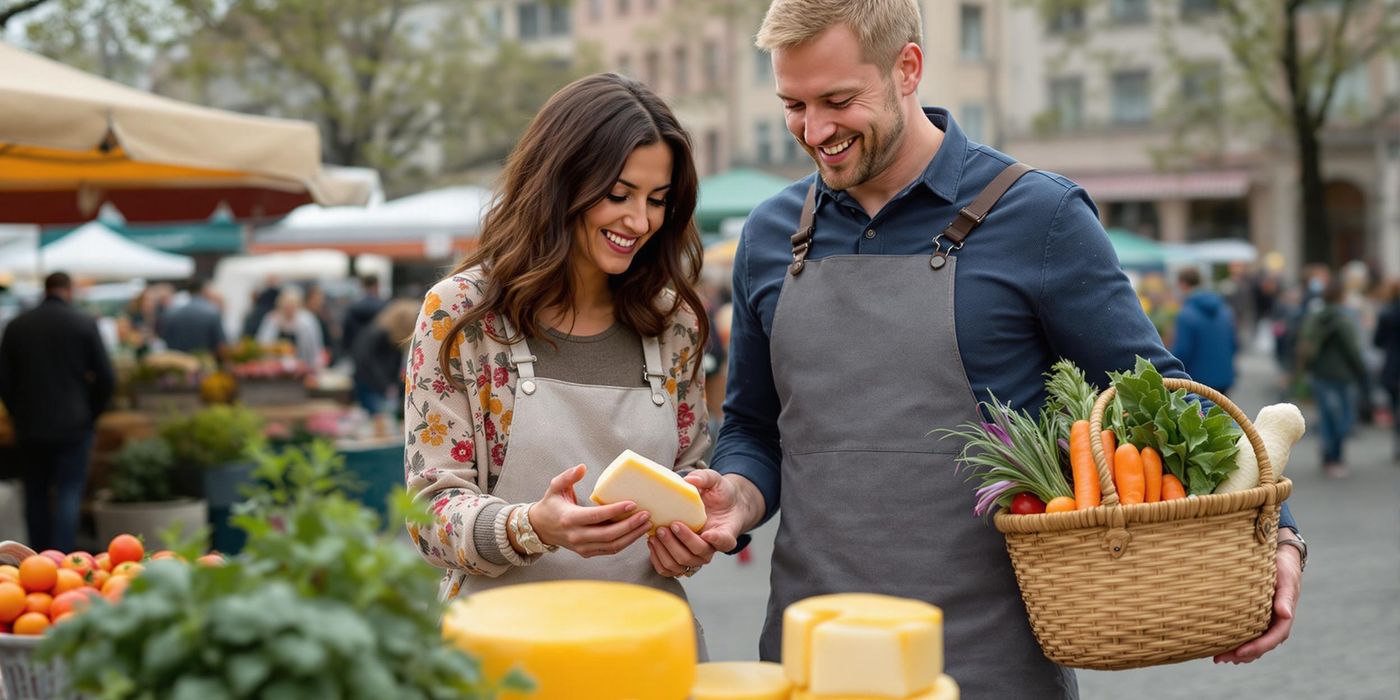
To find the best local ingredients, I recommend visiting the Wochenmarkt (farmers market) in Leipzig. There, you can find fresh, seasonal produce and connect with local farmers who are passionate about their products.
Tips for Culinary Experimentation: Blending Your Own Traditions
I encourage you to embark on your own culinary adventures, blending your cultural heritage with the local ingredients available to you. Here are a few tips to get you started:
- Start with familiar recipes: Choose dishes that you know well and feel comfortable making.
- Research local ingredients: Visit farmers markets, talk to local producers, and explore the unique offerings of your area.
- Substitute strategically: When substituting ingredients, consider the flavor profile and texture of the original ingredient. Look for local alternatives that offer similar qualities.
- Taste and adjust: Cooking is a process of constant refinement. Taste your dish throughout the cooking process and adjust the seasonings as needed.
- Don't be afraid to experiment: The best culinary creations often come from unexpected combinations. Be open to trying new things and don't be afraid to make mistakes.
- Visit local markets: Engage with local producers and vendors; their insights can be invaluable.
Blending cultures in the kitchen is more than just a cooking technique; it's a celebration of diversity, a way to connect with your heritage, and a journey of culinary discovery. So, go ahead, embrace the flavors of your world, and create something truly unique!
Explore the art of blending culinary traditions by using local ingredients to recreate traditional dishes. Perfect for those who love to cook and want to bring a taste of their travels back home.