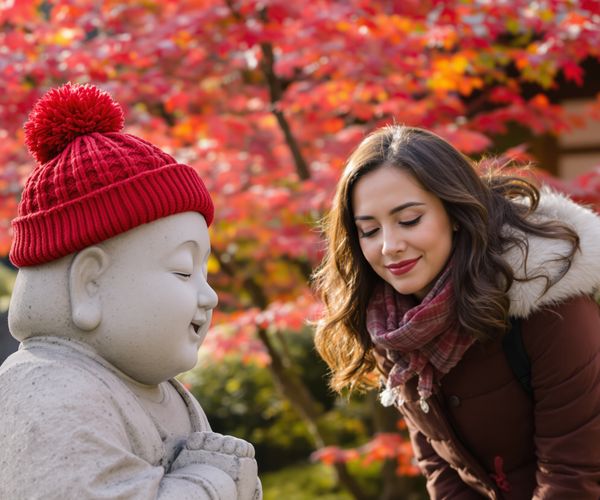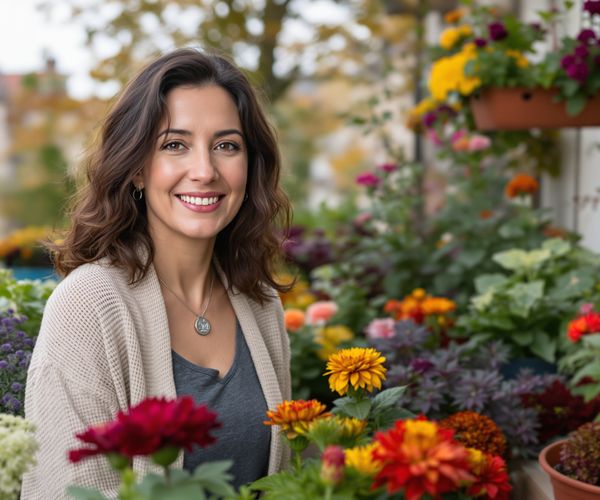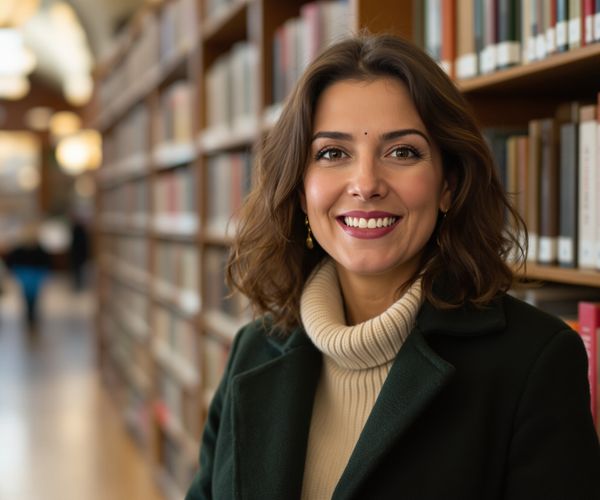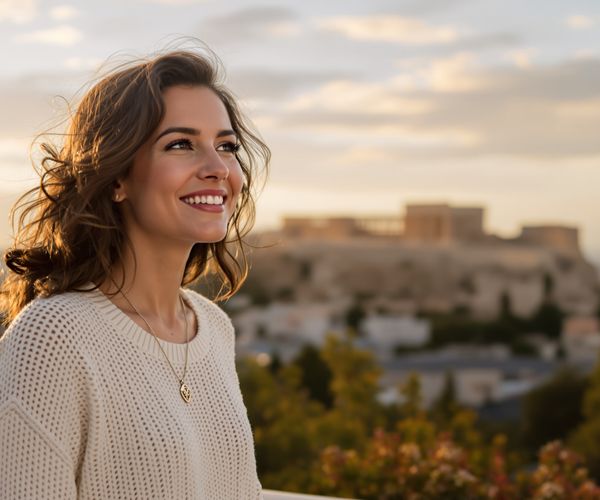
As a librarian specializing in ancient Greek history and mythology, and a passionate traveler, I've learned that photography is more than just taking pictures; it's about preserving moments, capturing emotions, and telling stories. Join me as I share some tips to help you capture your own travel memories in a way that truly reflects the essence of your experiences.
The Essence of Travel Photography
Travel photography goes beyond merely snapping photos of famous landmarks. It's about immersing yourself in a place, connecting with its culture, and capturing the spirit of your journey. For me, it's a way to freeze time and relive those precious moments whenever I look back at my photos. When I travel, whether it's exploring the ancient ruins of Greece or wandering through the charming streets of Germany, I aim to capture the essence of each location. I try to convey the feeling of the warm Mediterranean sun on my skin or the scent of freshly baked bread wafting from a German bakery. It's about the details – the crinkled face of an old woman selling flowers, the vibrant colors of a local market, or the way the light filters through the leaves of an ancient olive tree. These are the memories I want to preserve. My personal philosophy, inspired by my Greek heritage and life in Germany, is that every photo should tell a story. It should evoke a feeling and transport you back to that exact moment in time.
Gear Essentials: Choosing the Right Equipment
Choosing the right gear is crucial, but it doesn't necessarily mean investing in the most expensive equipment. It's about finding a balance between quality and portability. When I pack my camera bag, I prioritize versatility and ease of use. I always bring a reliable camera body, whether it's a full-frame or crop sensor system, and a couple of versatile lenses that can cover a range of focal lengths. For example, a 24-70mm lens is great for landscapes and street photography, while a 70-200mm lens is perfect for capturing portraits and wildlife from a distance. Ultimately, the best camera is the one you have with you. Don't feel pressured to buy the latest and greatest gear if you're just starting out. Use what you have and focus on learning the fundamentals of photography. A good travel tripod is essential for capturing sharp images in low-light situations, such as during the blue hour or when photographing interiors. It also allows you to take self-portraits, so you can be part of your own travel memories.
Mastering Composition Techniques
Composition is key to creating visually appealing and engaging travel photos. One of the most basic, yet effective, techniques is the Rule of Thirds. Imagine dividing your frame into nine equal parts with two horizontal and two vertical lines. Place your subject at one of the intersections or along one of the lines to create a more balanced and dynamic composition. Leading Lines are another powerful tool for guiding the viewer's eye through the image. Look for paths, rivers, or architectural elements that create lines leading towards your subject. Framing involves using natural or man-made elements to create a frame around your subject, adding depth and context to the image. For example, you could frame a mountain landscape with the branches of a tree or a street scene with an archway. Symmetry and Patterns can create a sense of balance and visual interest in your photos. Look for reflective surfaces, such as water or glass, or repeating designs in architecture. Incorporating foreground elements can add depth and context to your photos. Place a small object, such as a flower or a rock, in the foreground to create a sense of scale and draw the viewer into the scene. While it's important to learn the rules of composition, don't be afraid to break them when the situation calls for it. Sometimes, placing your subject dead-center can create a striking and impactful composition.
Harnessing the Power of Light
Light is the most important element in photography. Understanding how different lighting conditions affect your subject is crucial for capturing stunning travel photos. The Golden Hour, the hour after sunrise and the hour before sunset, is known for its warm, soft light that is ideal for photographing landscapes and portraits. The Blue Hour, the hour before sunrise and the hour after sunset, is characterized by its cool, blue tones that are perfect for capturing cityscapes and night scenes. Different lighting conditions affect various subjects in different ways. For example, harsh midday sun can create strong shadows and wash out colors, making it difficult to photograph people and landscapes. Overcast skies, on the other hand, provide a soft, diffused light that is ideal for photographing portraits and details. Using natural light to your advantage is key to capturing beautiful travel photos. Avoid using flash whenever possible, as it can create harsh and unnatural-looking results. Instead, try to find a location where the light is soft and flattering. When shooting in low-light situations, such as in historic European cities, use a tripod to keep your camera steady and avoid motion blur. You can also increase your camera's ISO setting, but be careful not to go too high, as this can introduce noise into your images.
Capturing People and Culture
Photographing people and culture is a great way to capture the essence of a place. However, it's important to do so respectfully and authentically. Always ask for permission before photographing someone, and be mindful of their cultural norms and sensitivities. Focus on capturing stories rather than poses. Instead of asking people to smile for the camera, try to capture them interacting with their environment. Highlight cultural identity through architecture, food, and local traditions. Photographing festivals and cultural events is a great way to capture the vibrancy and energy of a place. When photographing people, try to capture their emotions and expressions. A candid shot of someone laughing or crying can be more powerful than a posed portrait. When photographing cultural events, be sure to capture the details that make each event unique, such as the costumes, music, and food.
The Art of Patience and Exploration
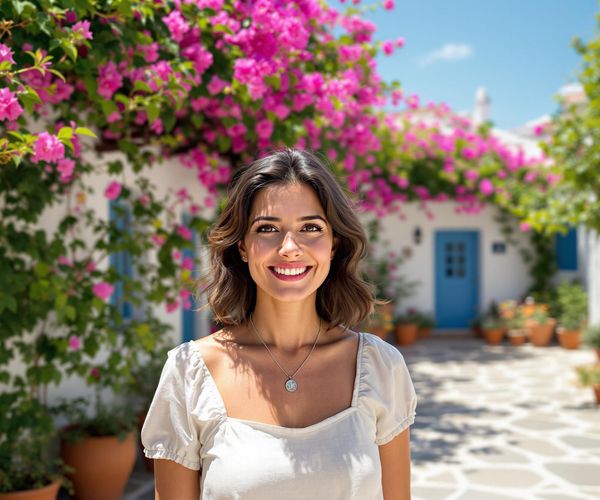
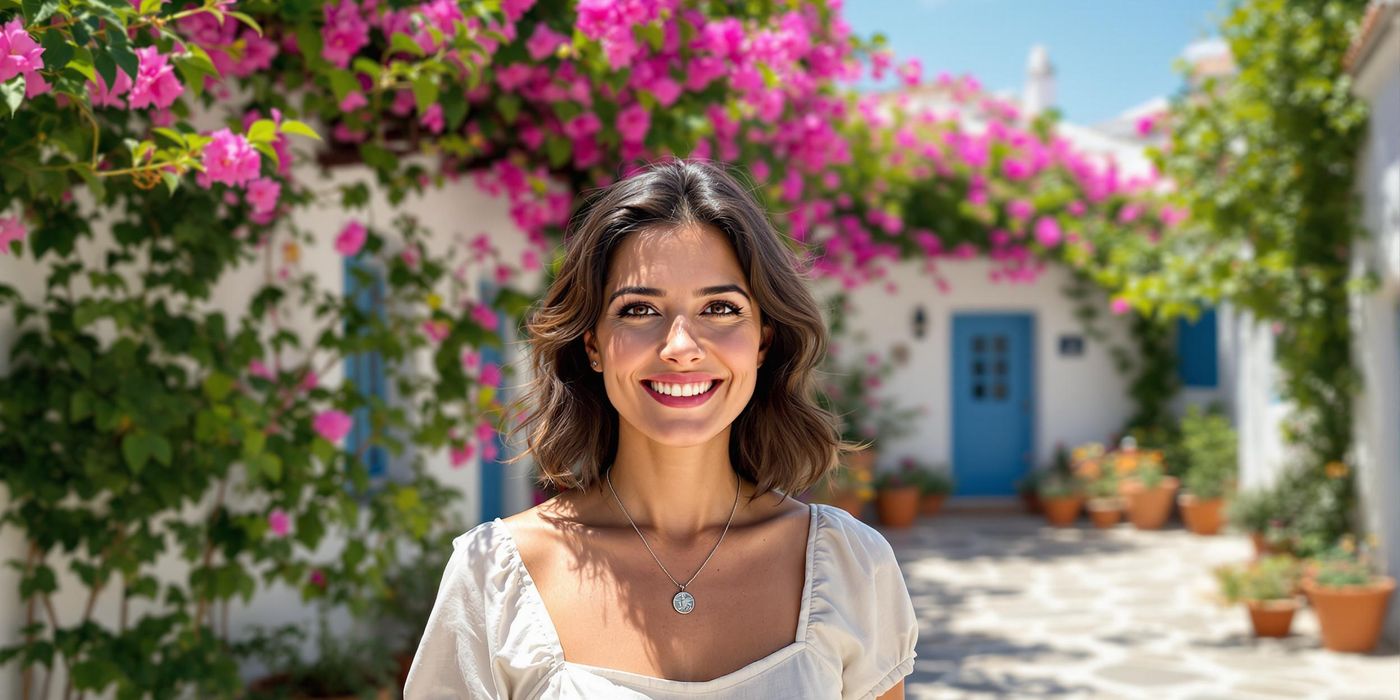
Patience and exploration are essential for capturing unique and interesting travel photos. Take the time to research locations before arriving, so you know what to expect and can plan your shots accordingly. Explore different viewpoints and angles to find the most compelling composition. Be patient and wait for the right moment. Sometimes, the best photo opportunities arise when you least expect them. Don't just photograph the obvious. Look for unique and interesting details that capture the essence of a place. During my travels, I've discovered hidden gems and unexpected photo opportunities simply by being open to exploring and taking the time to observe my surroundings. For instance, while visiting a small village in Greece, I stumbled upon a hidden courtyard filled with blooming bougainvillea, creating a stunning backdrop for a series of photos. These unexpected moments are often the most rewarding.
Post-Processing Essentials
Post-processing is an important part of the photography process. It allows you to fine-tune your images and bring out the best in them. Shooting in RAW mode gives you the most flexibility when it comes to editing your photos. RAW files contain more information than JPEG files, allowing you to make more adjustments without sacrificing image quality. Basic adjustments include exposure, contrast, and color correction. Adjusting the exposure can brighten or darken your image, while adjusting the contrast can increase or decrease the difference between the light and dark areas. Color correction can help to balance the colors in your image and make them more accurate. Cropping and straightening horizons can improve the composition of your photos. Cropping allows you to remove distractions and focus on the most important parts of the image, while straightening horizons can create a more balanced and professional-looking result. Removing distractions and enhancing details can further improve your photos. Use editing tools to remove unwanted objects or blemishes, and to sharpen details and textures. My favorite editing tools include Adobe Lightroom and Photoshop. I use Lightroom for basic adjustments and organization, and Photoshop for more advanced editing tasks.
Travel photography is more than snapshots; it's preserving moments. Eleni shares tips for capturing the essence of your journeys, from gear to post-processing.