As a Greek native living in Germany, I've learned that travel is more than just seeing new places; it's about understanding and respecting different cultures. Join me, Eleni Papadopoulou-Schmidt, on a journey to explore the world with empathy and mindfulness, enriching your experiences and leaving a positive impact.
Understanding Cultural Sensitivity
Cultural sensitivity is the ability to understand and respect the values, beliefs, and customs of other cultures. It's about recognizing that our own culture is not the only one, nor is it superior to others. When we travel, we become ambassadors of our own culture, and our actions can have a significant impact on the places we visit.
Imagine visiting a small village where traditional ways of life are still practiced. If we are not mindful, our actions – even something as simple as taking a photograph without permission – can be disruptive or disrespectful. Cultural misunderstandings can arise from a lack of awareness or a failure to appreciate the nuances of local customs. For instance, what might be considered a friendly gesture in one culture could be offensive in another. To avoid such situations, it's essential to approach each new experience with an open mind and a willingness to learn.
Research Before You Go: Preparing for Cultural Immersion
One of the best ways to ensure respectful travel is to do your homework. Before embarking on a trip, take the time to research the local customs, traditions, and etiquette of your destination. This doesn't mean you need to become an expert, but a basic understanding can go a long way in showing respect and avoiding unintentional offense.
There are numerous resources available to help you learn about different cultures. Books, documentaries, and online guides can provide valuable insights into the history, values, and social norms of a particular place. I remember when I first moved to Leipzig, I spent weeks devouring books about German history and culture. I wanted to understand the context behind the traditions and behaviors I was observing. Even learning a few basic phrases in the local language can significantly enhance your interactions with locals. A simple “hello” or “thank you” in their language shows that you are making an effort to connect and appreciate their culture.
Respecting Local Customs and Traditions
Every culture has its own unique set of customs and traditions that are deeply ingrained in daily life. These can range from greetings and dining etiquette to dress codes and social interactions. For example, in some cultures, it is customary to remove your shoes before entering someone's home. In others, it is considered impolite to eat with your left hand. Being aware of these nuances can help you navigate social situations with grace and respect.
Religious sites and practices often hold great significance for local communities, and it is crucial to approach them with reverence. When visiting a temple, mosque, or church, dress modestly and follow any guidelines or restrictions that may be in place. Be mindful of local sensitivities regarding photography and personal space. Not everyone is comfortable being photographed, and it's always best to ask for permission before taking someone's picture. Similarly, be aware of personal space norms, which can vary greatly from culture to culture.
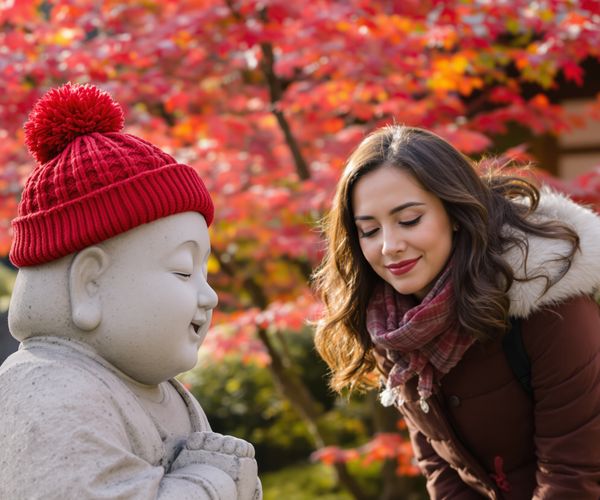
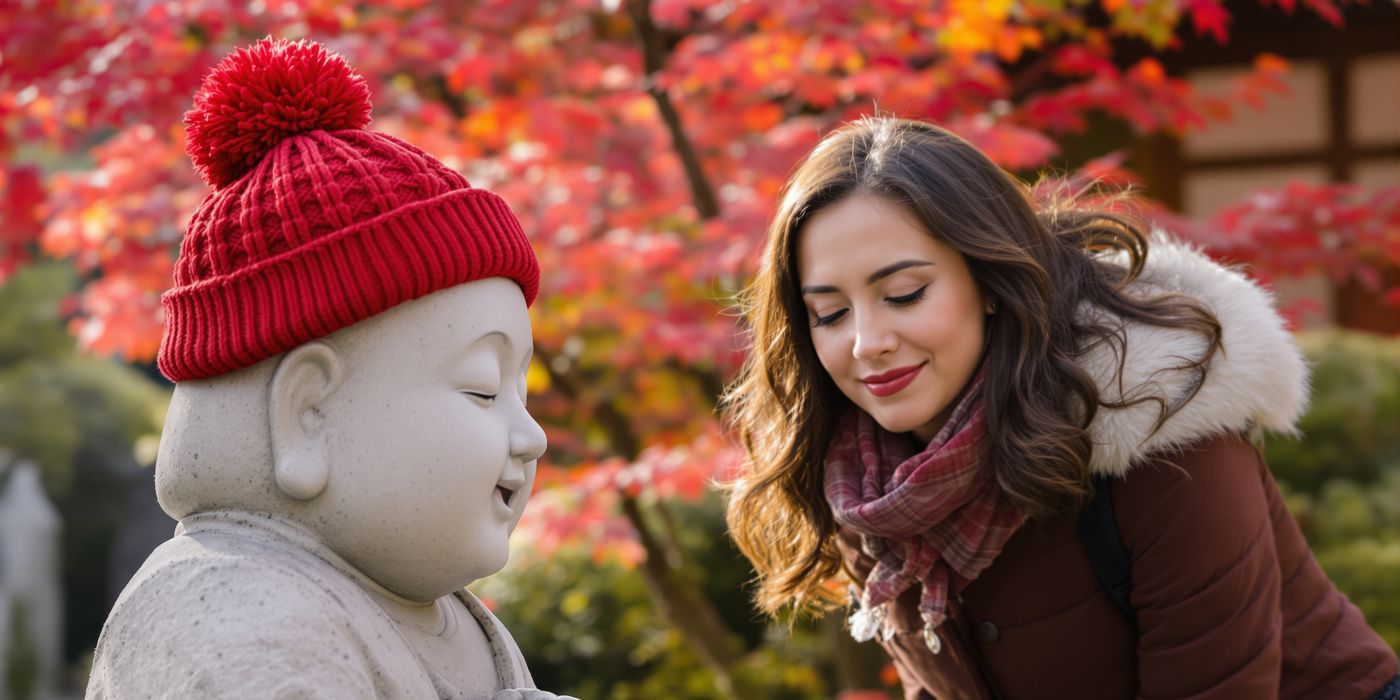
I once traveled to Japan, where I quickly learned the importance of bowing as a sign of respect. Initially, I felt a bit awkward, but I soon realized that it was a genuine way to show that I valued their culture. Adapting to these cultural norms not only enriched my experience but also allowed me to connect with locals on a deeper level.
Engaging with Locals: Building Meaningful Connections
One of the most rewarding aspects of travel is the opportunity to connect with people from different backgrounds. Engaging with locals allows you to learn about their lives, perspectives, and experiences in a way that you simply cannot from a guidebook. Don't be afraid to strike up conversations, ask for recommendations, or show genuine interest in their culture.
Supporting local businesses and economies is another way to foster positive cultural exchanges. Instead of opting for large chain stores, consider visiting local markets, buying handmade crafts, or dining at family-owned restaurants. This not only helps to support the community but also gives you a chance to experience authentic local culture.
I remember visiting a small village in the Greek mountains where I stumbled upon a local pottery workshop. I spent the afternoon learning about the traditional techniques and even tried my hand at the potter's wheel. It was an incredibly enriching experience that gave me a newfound appreciation for the artistry and craftsmanship of the region.
Navigating Cultural Differences with Children
Traveling with children can be a wonderful way to expose them to different cultures and broaden their horizons. However, it's important to prepare them for the cultural differences they may encounter and encourage them to be respectful travelers. Before your trip, talk to your children about the customs, traditions, and languages of the places you will be visiting.
Engage them in activities that can help them learn about different cultures, such as visiting museums, trying new foods, or watching documentaries. When we travel, I always make sure to teach Sophia about Greek heritage and other cultures. We visit historical sites, attend local festivals, and try to learn a few basic phrases in the local language. Of course, there will be challenges along the way. Language barriers, unfamiliar foods, and different social norms can sometimes be overwhelming for children. Be patient, understanding, and willing to adapt your plans as needed.
Sustainable and Responsible Travel
Cultural respect goes hand in hand with sustainable travel practices. As travelers, we have a responsibility to minimize our environmental impact and support local communities. This means making conscious choices about transportation, accommodation, and activities. Consider using public transport, staying in locally owned guesthouses, and participating in eco-friendly tours.
Be mindful of your consumption habits and try to reduce waste. Avoid single-use plastics, conserve water and energy, and support businesses that prioritize sustainability. I am committed to sustainable living, and I try to incorporate this into my travels as much as possible. I always bring my own reusable water bottle, shopping bag, and toiletries. I also try to support local businesses that are committed to environmental protection and social responsibility.
Learn how to travel respectfully and embrace cultural differences. Eleni shares her experiences and tips on how to travel thoughtfully and make a positive impact.