
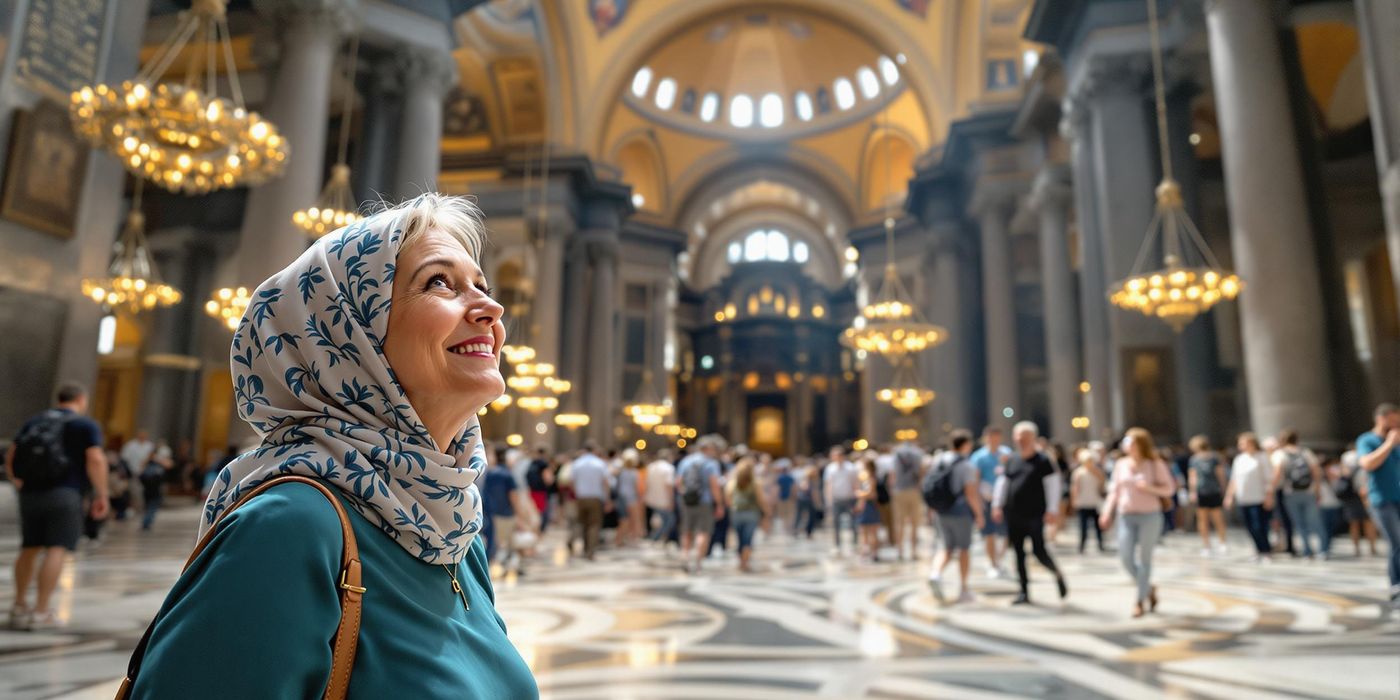
As an archivist with a passion for history, I've always believed that travel is more than just seeing new places; it's about understanding and respecting the cultures that shape them. Over the years, my travels with my husband, Hans-Peter, have taught me invaluable lessons about cultural etiquette. These experiences have not only enriched our journeys but also deepened our appreciation for the world's diverse tapestry. Join me as I share some essential do's and don'ts for respectful travel, gleaned from my own adventures and observations.
Greetings and Social Interactions
One of the first cultural nuances you'll encounter when traveling is the art of greeting. A simple gesture can speak volumes and set the tone for your interactions. In Japan, for instance, bowing is customary, with the depth of the bow reflecting the level of respect. In Germany, a firm handshake is the norm, while in France, cheek kisses, or la bise, are common, though the number of kisses can vary by region.
Before embarking on any trip, I make it a point to research local customs. This small effort can prevent unintentional offense and smooth your interactions. Learning a few basic phrases in the local language can also go a long way in showing respect and willingness to connect with the local community. Even a simple Guten Tag in Germany or Labdien in Latvia can make a positive impact.
I recall a trip to a small village in Latvia where my attempt to greet an elderly woman in Latvian, however clumsy, brought a warm smile to her face and sparked a delightful conversation about local traditions. It was a reminder that genuine effort to connect transcends linguistic perfection. {image1}
Dress Codes and Appearance
Appropriate attire is another crucial aspect of cultural etiquette, especially when visiting religious sites. In many cultures, dressing modestly is seen as a sign of respect. This often means covering your shoulders and knees, particularly in temples, churches, and mosques.
During a visit to a monastery in Greece, I made sure to wear a long skirt and a shawl to cover my shoulders. I observed that other visitors who were not appropriately dressed were either turned away or asked to cover up before entering. This experience reinforced the importance of respecting local dress codes as a way of showing reverence for the culture and its values. It's not about abandoning your personal style, but rather adapting it to demonstrate awareness and respect.
Dining Etiquette
Dining etiquette varies dramatically around the world, encompassing everything from table manners to utensil usage. In Thailand, for example, a spoon is often used as the primary eating utensil, with the fork serving to push food onto the spoon. In India, it's customary to eat with your right hand, as the left hand is considered unclean.
On a culinary adventure in Thailand, I initially struggled to master the art of using a spoon and fork. However, with a little practice and guidance from our local guide, I soon got the hang of it. I learned that attempting to embrace local customs, even in small ways, can lead to richer and more meaningful cultural experiences. Trying local dishes and expressing appreciation for the cuisine is also a sign of respect for the local culture.
Respecting Sacred Spaces and Religious Practices
When visiting sacred spaces, it's essential to be mindful of the rules and customs in place. This includes adhering to dress codes, maintaining a respectful demeanor, and being aware of any restrictions on photography. Noise levels should be kept to a minimum, and disruptive behavior should be avoided.
During a visit to the Hagia Sophia in Istanbul, I was struck by the reverence with which visitors approached the site. Many people spoke in hushed tones, and photography was restricted in certain areas. I made sure to follow these guidelines and to observe the solemnity of the space. Seeking permission before taking photographs is always a good practice, as is avoiding any actions that could be perceived as disrespectful.
Non-Verbal Communication and Gestures
Non-verbal communication can be just as important as verbal communication, and gestures that are considered polite in one culture may be offensive in another. For example, the thumbs-up sign, which is generally seen as positive in many Western countries, is considered rude in Türkiye.
I once made the mistake of giving a thumbs-up to a shopkeeper in Türkiye, only to be met with a confused and slightly offended look. I quickly realized my error and apologized, explaining that I didn't realize the gesture had a different meaning in his culture. From that moment on, I made a conscious effort to observe the body language of locals and to adapt my own behavior accordingly. Paying attention to non-verbal cues can help prevent misunderstandings and foster positive interactions.
Traveling with respect and sensitivity isn't just about following a set of rules; it's about opening your heart and mind to new experiences and perspectives. By embracing cultural etiquette, you not only enrich your own journey but also contribute to a more understanding and connected world.
Essential cultural etiquette tips for travelers, emphasizing the importance of respecting local customs and traditions.