
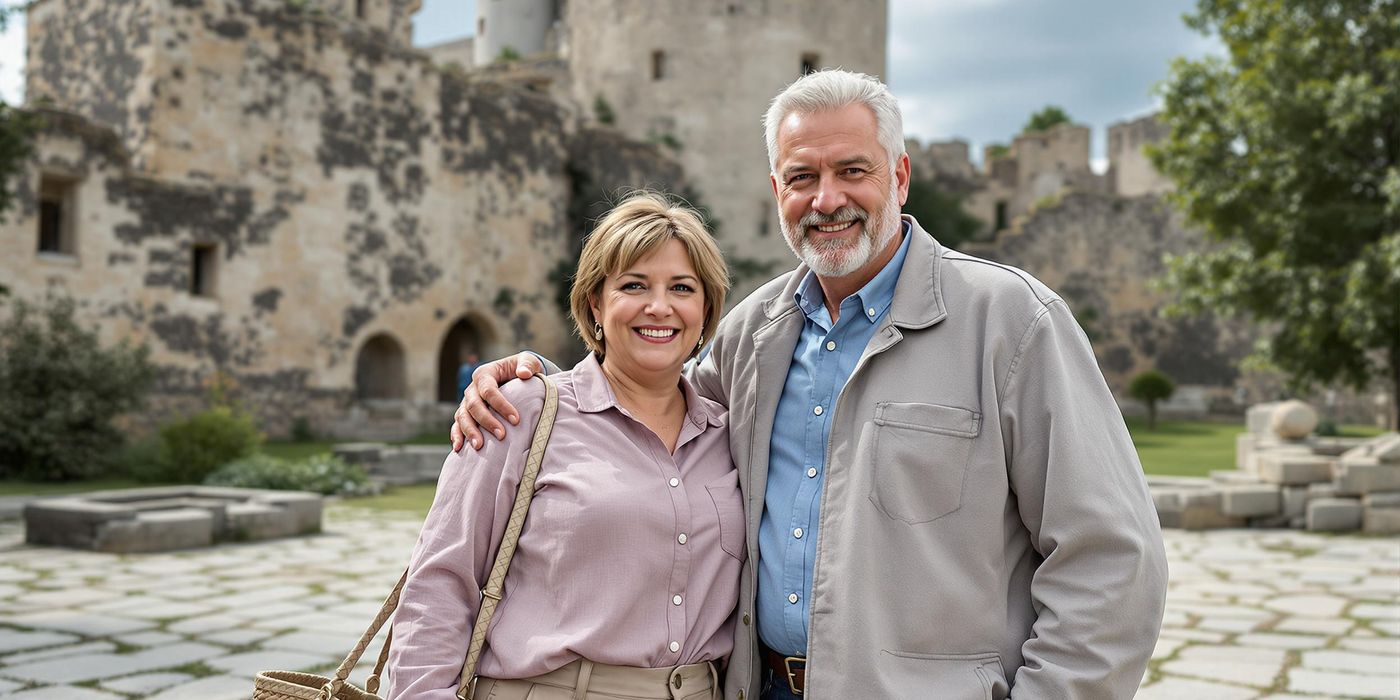
As an archivist at the Deutsches Historisches Museum, I've spent years surrounded by history. But my passion for the past extends far beyond the museum walls. My husband, Hans-Peter, and I find that understanding the history of a place transforms a simple trip into a rich, unforgettable journey. Let me share some insights on how you too can delve into the history of your next destination, enriching your travel experiences immeasurably.
Why Historical Research Enhances Travel
Imagine walking through the ancient streets of Rome, not just as a tourist, but as someone who understands the rise and fall of the Roman Empire. Or picture yourself standing before the Berlin Wall, not just seeing a concrete barrier, but feeling the weight of a divided city and the hope for reunification. Historical knowledge elevates travel from a superficial experience to a deeply meaningful one. It adds layers of understanding and appreciation to cultural sites, museums, and local traditions.
I recall a trip Hans-Peter and I took to Latvia, my homeland. We visited the Cēsis Castle, a place I'd been to many times as a child. But this time, armed with a deeper understanding of its medieval history and the battles fought within its walls, I saw it with new eyes. I could almost hear the clash of swords and the whispers of centuries past. It was no longer just an old castle; it was a living testament to Latvian resilience.
Elza's Toolkit: Essential Resources for Historical Research
My work as an archivist has provided me with a unique perspective on accessing historical information. Fortunately, many of the resources I use are also available to the public. Don't be intimidated; diving into history is easier than you might think!
One of the most valuable resources is primary sources: letters, diaries, photographs, official documents – anything created during the period you're researching. These offer firsthand accounts and insights that you won't find anywhere else. Many archives and libraries, both online and physical, hold vast collections of primary sources. For example, the National Archives of the United States and the British Library offer extensive digital collections.
Online archives and databases are a treasure trove of information. Websites like Ancestry.com and Findmypast can be helpful for genealogical research, providing access to census records, immigration documents, and other valuable data. Be sure to explore the websites of historical societies and museums, as they often have digitized collections and research resources available.
Step-by-Step Guide to Pre-Trip Historical Research
Here's a simple, step-by-step guide to help you conduct effective historical research before your next trip:
- Define your research goals: What specific aspects of the destination's history intrigue you? Are you interested in a particular period, event, or person? Narrowing your focus will make your research more manageable.
- Find reliable sources: Start with libraries, archives, historical societies, and reputable online resources. Look for sources that are well-documented and written by experts in the field.
- Evaluate sources: Not all information is created equal. Distinguish between credible and unreliable sources by checking the author's credentials, the publisher's reputation, and the presence of citations and footnotes. Be wary of websites with obvious biases or agendas.
- Organize your research: Take detailed notes and create a timeline of key events. This will help you keep track of your findings and see the connections between different events and people.
- Synthesize information: Connect historical events to modern-day landmarks and cultural practices. How has the past shaped the present? This is where the real magic happens!
Leveraging Museums and Local Experts
Once you arrive at your destination, visiting local museums and historical sites is essential. Immerse yourself in the exhibits, read the captions carefully, and don't be afraid to ask questions. Museums are curated to tell a story, so allow yourself to be guided by their narrative.
Engage with museum staff and local historians. They can offer personal insights and stories that you won't find in any guidebook. Consider hiring a local guide for a walking tour of the historical district. Their expertise can bring the past to life in a way that no book ever could.
The Ethical Considerations of Historical Tourism
As travelers, we have a responsibility to be respectful of cultural heritage. Avoid insensitive behavior at historical sites, such as climbing on ancient ruins or defacing monuments. Remember that these places are sacred to many people.
Visiting sites associated with conflict or tragedy requires particular sensitivity. Acknowledge the suffering of those who came before us and avoid trivializing their experiences. Support responsible tourism practices that benefit local communities and preservation efforts. By being mindful and respectful, we can ensure that these historical sites are preserved for future generations.
Learn how to conduct historical research before your trip to enhance your travel experience. Tips on finding reliable sources, understanding historical contexts, and using research to enrich travel experiences.