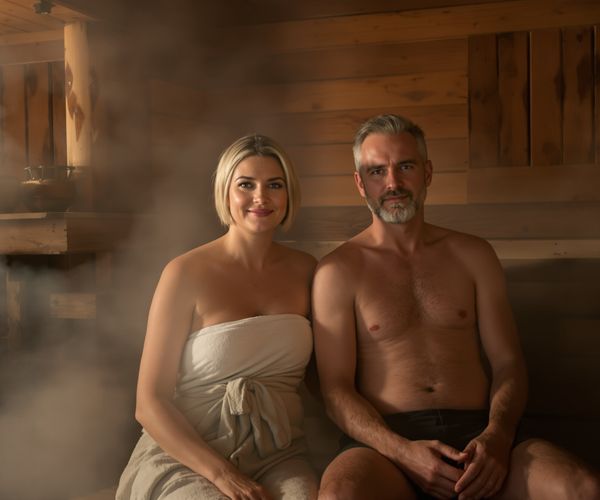

In a world that constantly urges us to rush, slow travel offers a refreshing alternative. It's about savoring each moment, connecting deeply with the places we visit, and embracing the unexpected detours along the way. Hans-Peter and I have discovered that this approach not only enriches our travel experiences but also brings a sense of calm and fulfillment that's often missing in our fast-paced lives.
What is Slow Travel?
Slow travel is more than just a leisurely vacation; it's a philosophy. At its core, it's about prioritizing quality over quantity, depth over breadth. Instead of ticking off a long list of attractions, slow travelers choose to spend more time in fewer places, allowing them to truly immerse themselves in the local culture, history, and environment. It's about connecting with the soul of a place, rather than just seeing the sights.
Conventional tourism often focuses on efficiency and maximizing the number of destinations visited. Slow travel, on the other hand, emphasizes the journey itself. It's about slowing down, being present, and allowing serendipitous encounters to shape the experience. While conventional tourism can leave you feeling exhausted and disconnected, slow travel nourishes the mind, body, and spirit.
The benefits of slow travel are manifold. It allows for a deeper cultural immersion, as you have the time to learn about local customs, traditions, and ways of life. It reduces stress, as you're not constantly rushing from one place to another. And it promotes environmental consciousness, as you're more likely to support local businesses and make sustainable choices when you're not in a hurry.
Our Journey into Slow Travel
Hans-Peter and I didn't always travel this way. In our early years together, we tried to see as much as possible in the limited time we had. We hopped from city to city, museum to museum, always feeling like we were missing something. It wasn't until a trip to the Alsace region of France that we stumbled upon the joys of slow travel.
We had initially planned to spend just a few days in Alsace, but we quickly fell in love with its charming villages, rolling vineyards, and rich history. We decided to extend our stay, and instead of rushing through the region, we took our time to explore its hidden corners. We visited local wineries, chatted with the winemakers, and learned about the region's unique winemaking traditions. We hiked through the vineyards, taking in the stunning views of the Vosges Mountains. And we spent hours wandering through the cobblestone streets of Colmar, admiring its colorful half-timbered houses.
It was during this trip that we truly understood the value of slow travel. We realized that by slowing down, we were able to connect with the place on a deeper level. We learned about its history, its culture, and its people. And we discovered that the most memorable experiences often happen when you least expect them. For example, in Colmar we spent an afternoon at the Unterlinden Museum, home to the Isenheim Altarpiece. Taking our time, we truly appreciated the work and the history of the region, which enhanced our understanding of the area.
Planning a Slow Travel Itinerary
When planning a slow travel itinerary, it's important to choose destinations that lend themselves to this style of travel. Historical cities and culturally rich regions are ideal, as they offer a wealth of opportunities for exploration and immersion. Consider places like Kyoto, Japan, with its ancient temples and serene gardens, or Tuscany, Italy, with its rolling hills, vineyards, and Renaissance art. Even closer to home, the Baltic states offer a blend of history and culture that can be deeply satisfying to explore.
Before your trip, take the time to research the local history, customs, and traditions. Read books, watch documentaries, and explore online resources. The more you know about a place, the more you'll be able to appreciate it. Also, learn a few basic phrases in the local language. Even a simple hello or thank you can go a long way in connecting with locals.
Flexibility is key to a successful slow travel itinerary. Don't try to cram too much into your schedule. Leave room for spontaneous discoveries and unexpected detours. Be open to changing your plans if something interesting comes along. Remember, the goal is not to see everything, but to experience something meaningful.
Engaging with Local Communities
One of the most rewarding aspects of slow travel is the opportunity to connect with local communities. There are many ways to do this. Learning the local language is a great start. Even if you only learn a few basic phrases, it shows that you're making an effort to connect with the people around you.
Attending community events and festivals is another great way to immerse yourself in the local culture. Look for opportunities to participate in local traditions and celebrations. Volunteering is also a wonderful way to give back to the community and connect with locals who share your interests.
Supporting local businesses and artisans is essential for sustainable slow travel. Shop at local markets, eat at family-owned restaurants, and buy handmade crafts. Not only will you be supporting the local economy, but you'll also be getting a taste of the authentic culture. During our travels in Latvia, we always make a point of visiting the local markets to buy fresh produce and handmade crafts. We've met some wonderful people and learned so much about Latvian culture through these interactions.
The Joys of Staying Longer in Fewer Places
Staying longer in fewer places allows you to develop a sense of familiarity and belonging. You start to recognize the faces of the people you see every day, and you begin to feel like a part of the community. This deeper understanding of a place enriches your travel experience in countless ways.
Extended stays also allow you to uncover hidden gems and historical details that you might otherwise miss. You have the time to explore off-the-beaten-path destinations, visit local museums, and learn about the region's history and culture. In Berlin, we've spent countless hours exploring the city's many museums and historical sites. Each visit reveals new layers of history and culture, deepening our appreciation for this vibrant city.
Finding long-term accommodations can be a bit more challenging than booking a hotel room, but the rewards are well worth the effort. Apartments, guesthouses, and house swaps are all great options. Look for accommodations that offer a kitchen, so you can cook your own meals and save money. Also, consider staying in a residential neighborhood, where you'll have more opportunities to interact with locals.
Savoring the Moment: Mindful Exploration
Mindfulness is an essential component of slow travel. It's about paying attention to the details, engaging your senses, and reflecting on your experiences. Take the time to notice the sights, sounds, smells, tastes, and textures of your surroundings. Really listen to the conversations around you. Savor each bite of the local cuisine. And take deep breaths, allowing yourself to fully appreciate the present moment.
Photography can be a powerful tool for capturing memories and appreciating the beauty of your surroundings. But be careful not to let it distract you from the experience itself. Don't spend all your time behind the lens. Take a few photos, and then put the camera away and simply enjoy the moment.
Slow travel allows for a deeper connection with the present moment. It's about being fully present in your surroundings, engaging your senses, and appreciating the beauty of the world around you. It's about slowing down, taking a deep breath, and savoring each and every moment. And it's about discovering that the greatest adventures are often found in the simplest of things.
Discover the benefits of slow travel and how to incorporate this approach into your own adventures for a more immersive experience.