
As an archivist, I've always been drawn to the stories embedded within objects and places. But it wasn't until I embraced the philosophy of slow travel that I truly began to understand how deeply intertwined history, culture, and personal experience can be. Slow travel isn't just about seeing the sights; it's about savoring them, connecting with the local community, and allowing yourself to be transformed by the journey.
What is Slow Travel?
Slow travel, at its heart, is a philosophy. It's about choosing connection over checklist tourism, relaxation over rushing, and immersion in local culture over superficial sightseeing. It’s a conscious decision to trade the whirlwind tour for a more deliberate and meaningful experience. Unlike traditional, fast-paced tourism, which often focuses on ticking off as many attractions as possible, slow travel emphasizes the quality of your experiences rather than the quantity.
The key principles of slow travel are threefold: deeper cultural immersion, sustainability, and mindful pacing. It's about taking the time to understand the nuances of a place, supporting local communities, and respecting the environment. It's about engaging all your senses and allowing yourself to be fully present in the moment.
The Benefits of Slowing Down
The benefits of slow travel are numerous and far-reaching. First and foremost, it allows for a deeper cultural immersion and understanding. By spending more time in a single location, you have the opportunity to learn about its history, traditions, and customs in a way that's simply not possible with a quick visit. You can visit local markets, attend cultural events, and engage in conversations with residents, gaining a more authentic perspective on their way of life.
Slow travel also reduces stress and enhances well-being. By eliminating the pressure to see everything, you can relax and enjoy the simple pleasures of travel. You can take leisurely walks, savor delicious meals, and simply soak in the atmosphere of your surroundings. This slower pace allows you to connect with yourself and your travel companions on a deeper level, creating lasting memories.
Furthermore, slow travel has a positive impact on the environment through sustainable practices. By choosing local transportation, supporting local businesses, and minimizing your consumption, you can reduce your carbon footprint and contribute to the preservation of the places you visit.
Ultimately, slow travel fosters more authentic experiences and connections with locals. When you take the time to engage with the community, you'll find that people are more willing to share their stories and traditions with you. These interactions can be incredibly enriching, providing insights into different cultures and perspectives that you wouldn't otherwise encounter.
Incorporating History and Culture into Slow Travel
Slow travel provides the perfect opportunity for a deeper exploration of historical sites and cultural landmarks. Instead of rushing through museums and monuments, you can take the time to read the plaques, examine the artifacts, and reflect on the stories they tell. You can visit historical libraries and archives. This allows you to connect with the past in a more meaningful way, gaining a deeper appreciation for the events and people that have shaped the present.
Engaging with local communities and traditions is crucial for understanding the historical context of a place. Participate in local festivals, attend traditional performances, and learn about the local cuisine. These experiences will provide insights into the values, beliefs, and customs of the people who call this place home.
Understanding the historical context of a place is essential for fully appreciating its culture. Research the history of the region before you arrive, and ask locals about their experiences and perspectives. This will help you to see the present through the lens of the past, gaining a more nuanced understanding of the forces that have shaped the community.
Practical Tips for Embracing Slow Travel
Here are some practical tips for embracing slow travel:
- Spend more time in fewer destinations. Instead of trying to see everything, focus on exploring a smaller area in depth.
- Use local transportation. Take buses, trains, or bicycles to get around, and walk whenever possible. This will allow you to experience the destination at a slower pace and connect with the local community.
- Support local businesses. Eat at local restaurants, shop at local markets, and stay at locally owned accommodations. This will help to support the local economy and ensure that your tourism dollars benefit the community.
- Be open to spontaneity and unplanned experiences. Allow yourself to get lost, to wander off the beaten path, and to discover hidden gems. Some of the most memorable travel experiences are the ones that you don't plan.
- Learn basic phrases of the local language. Even a few simple words can go a long way in connecting with people and showing respect for their culture.
Elza's Anecdotes: Personal Experiences with Slow Travel
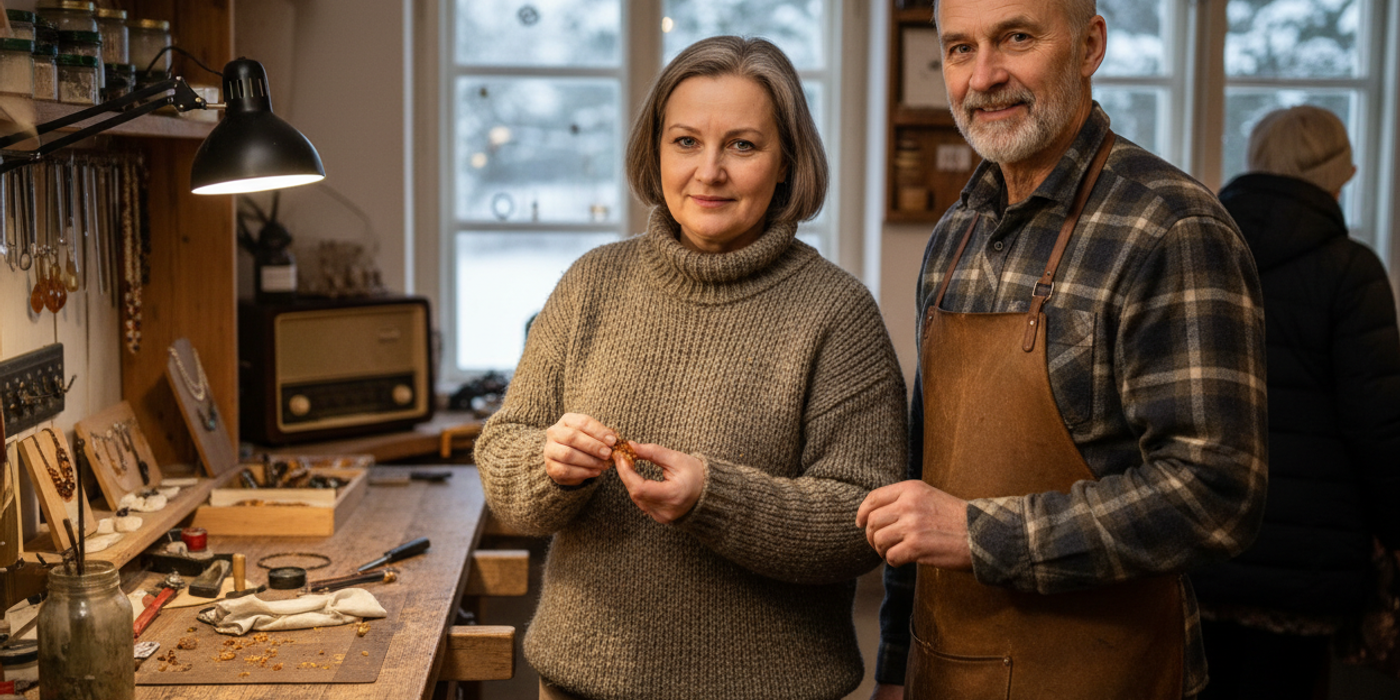
During a trip to the Curonian Spit in Lithuania with my husband Hans-Peter, we decided to embrace the slow travel philosophy. Instead of rushing through the national park, we spent a week exploring its charming villages, hiking through its pine forests, and learning about its unique history. We rented bicycles and cycled along the coast, stopping to admire the stunning views of the Baltic Sea. One afternoon, we stumbled upon a small, family-owned amber workshop. The artisan showed us how amber is formed and how it has been used for centuries in jewelry and art. We spent hours talking with him, learning about his family's history and his passion for his craft. It was an unexpected discovery that enriched our understanding of the region's cultural heritage.
Taking the time to explore the Curonian Spit slowly allowed us to develop a deeper understanding and appreciation of its history and culture. We learned about the struggles of the local fishermen, the impact of Soviet rule, and the efforts to preserve the park's natural beauty. We also made meaningful connections with the people we met, sharing stories and laughter over cups of coffee and plates of traditional Lithuanian food.
The unexpected discoveries and meaningful connections we made during our slow travel journey to the Curonian Spit are a testament to the power of this approach. By slowing down, we were able to connect with the place and its people in a way that wouldn't have been possible with a quick visit. And that, for me, is the true art of slow travel.
Slow travel is a philosophy that emphasizes connection, relaxation, and immersion in local culture. It allows for a deeper exploration of historical sites and cultural landmarks, fostering authentic experiences.