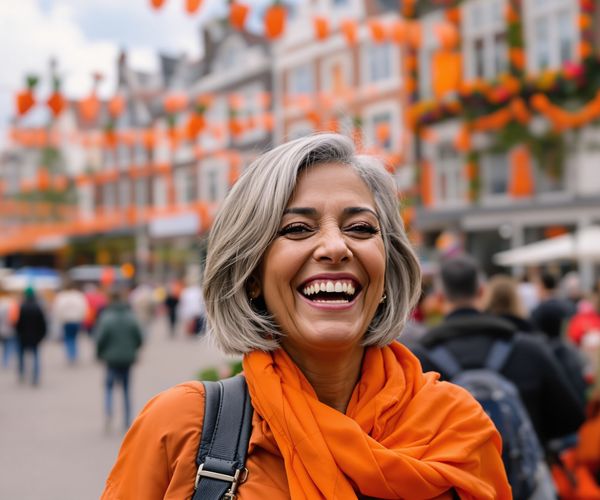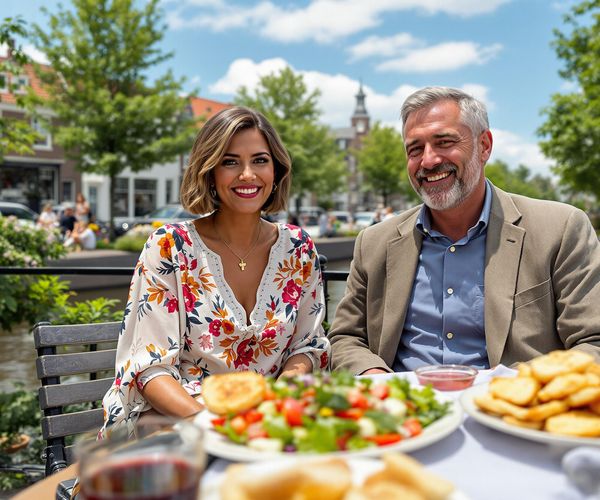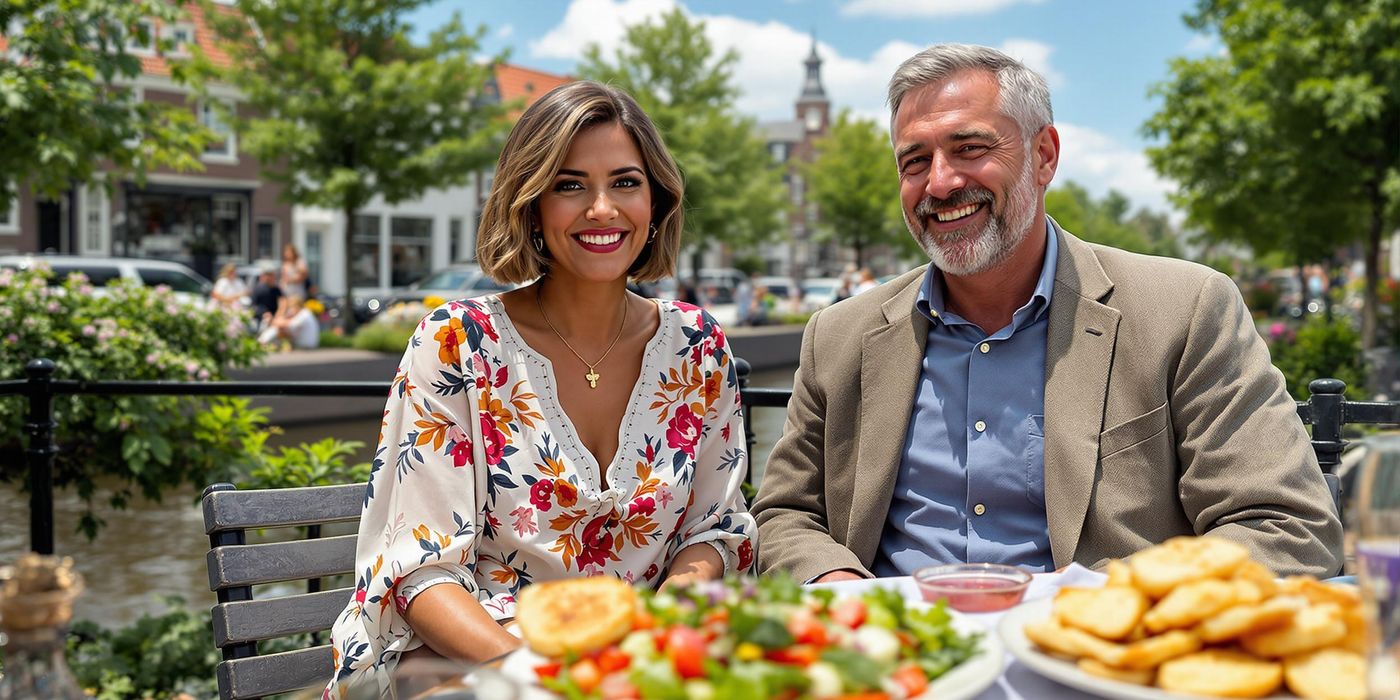
As a Saudi Arabian woman living in the Netherlands, I’ve learned that one of life's greatest joys is bringing people together. Food, music, conversation – these are the threads that weave a tapestry of understanding and connection. Hosting intercultural gatherings is more than just a party; it's an opportunity to celebrate diversity, share our stories, and build bridges between different worlds. Let me share some insights I've gained over the years, combining Middle Eastern warmth with Dutch practicality.
Setting the Stage: Understanding Cultural Nuances
Before you even send out invitations, take some time to consider the cultural backgrounds of your guests. This doesn’t mean you need to become an expert on every culture, but a little research goes a long way. Understanding basic values, beliefs, traditions, and social etiquette can help you avoid potential misunderstandings and create a more comfortable environment.
Are there any sensitivities or taboos you should be aware of, perhaps related to religion, politics, or social issues? Are there specific cultural holidays or events you could acknowledge or even celebrate? Don't forget to be mindful of diverse working hours and adapt your event schedule accordingly. Consider showcasing talents and intercultural learning projects that may have taken place within your community. Celebrating both traditional culture and the unique cultural heritage of each guest adds a layer of richness to the gathering.
Creating an Inclusive Atmosphere
Inclusivity is key. Use language that is respectful and avoids jargon or slang that might not be universally understood. Provide resources and information about different cultures, perhaps a small display of books or brochures. Most importantly, ensure accessibility for all attendees. This includes being mindful of dietary needs (vegetarian, halal, kosher), physical disabilities, and language barriers.
Offer a variety of seating arrangements and spaces to accommodate different preferences. Some guests might prefer a cozy corner for quiet conversation, while others might enjoy a more open and communal setting. Respect personal space and pay attention to non-verbal cues. Creating a culturally inclusive environment extends beyond the event itself; it's about fostering a sense of belonging and respect among all who attend.
The Culinary Bridge: Food as a Universal Language
Ah, food! In my experience, nothing brings people together quite like a shared meal. When planning your menu, be sure to take into account any dietary restrictions or preferences your guests might have. Offer a variety of options, including vegetarian, halal, and kosher dishes, to ensure everyone feels included and catered for.
Why not showcase both Middle Eastern and Dutch cuisine? Include dishes that are familiar and comforting to different cultures, as well as some that are new and exciting. Encourage guests to share their own culinary traditions, perhaps by bringing a dish to pass or sharing a family recipe.
Here are a few suggestions:
- Middle Eastern: Bazella w Riz (Syrian Carrot, Pea, and Tomato Stew), hummus, falafel, shawarma
- Dutch: Stamppot (mashed potatoes with vegetables), stroopwafels (thin waffles with caramel syrup), bitterballen (deep-fried meatballs)
Don't just serve the food; highlight the stories and cultural significance behind the dishes. Share anecdotes about the origins of the ingredients, the traditions associated with the preparation, and the memories they evoke. Food is more than just sustenance; it's a powerful tool for connection and understanding.
Engaging Activities: Promoting Interaction and Understanding
Keep your guests entertained and engaged with activities that promote interaction and understanding. Incorporate music, dance, and art from different cultures. Organize interactive workshops, such as cooking classes, crafting sessions, or language lessons. Facilitate intercultural dialogue sessions and storytelling, creating a safe space for guests to share their experiences and perspectives.
Playing traditional games from around the world can also be a fun and engaging way to break the ice. Encourage guests to share stories of identity, family, and belonging, fostering a sense of connection and empathy. Consider organizing cultural film screenings followed by discussions, exploring themes of diversity, identity, and cultural exchange.
Navigating Potential Cultural Conflicts
Despite your best efforts, cultural misunderstandings can sometimes arise. The key is to address them with diplomacy and respect. If a conflict occurs, remain calm and listen carefully to all perspectives. Seek clarification and avoid making assumptions. Be prepared to explain your own cultural background and perspective in a clear and respectful manner.
Establish clear guidelines and expectations for behavior, ensuring everyone understands the importance of respecting cultural differences. Be prepared to adapt and compromise when necessary, finding common ground and solutions that work for everyone. Remember, the goal is to create a positive and inclusive environment where everyone feels valued and respected.
Gathering feedback is crucial for continuous improvement. After the event, solicit input from your guests about their experiences and suggestions for future gatherings. Training everyone who will be in contact with international attendees can also enhance the overall experience. Ensure that the event aligns with the expectations and sensitivities of the audience, creating a welcoming and inclusive atmosphere for all.
Learn how to host intercultural gatherings that celebrate diversity and promote understanding through food, music, and conversation. Discover tips for cultural sensitivity and engaging activities.