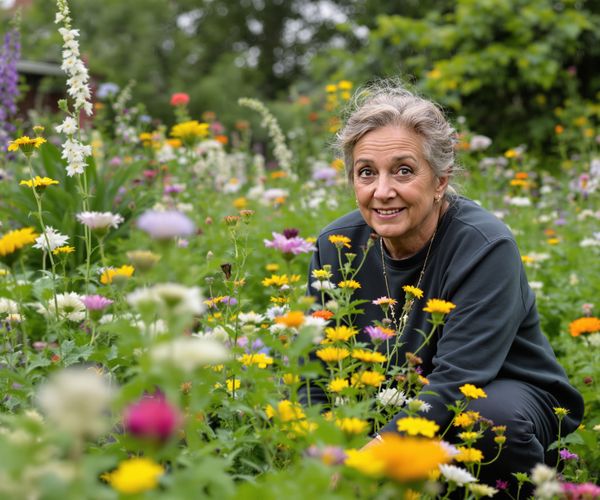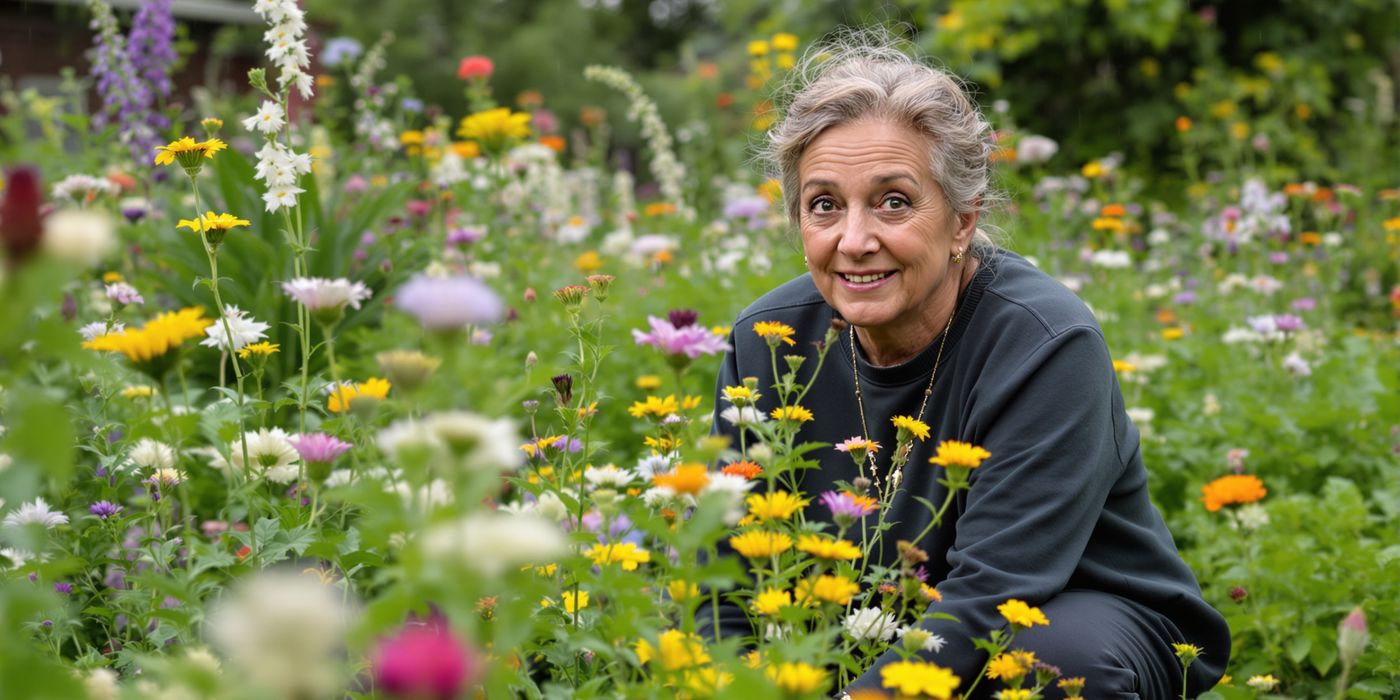
As a Saudi Arabian transplant living in the charming Dutch city of Delft, my life has become a beautiful tapestry woven with threads of two distinct cultures. One of my greatest joys has been discovering the world of native plants and finding ways to bring a piece of my heritage into my adopted home. Through my travels and gardening experiences, I've come to appreciate the profound cultural and ecological significance of native flora. Join me on this journey as we explore the allure of native plants and how they can enrich your travel experiences and home garden.
The Allure of Native Plants: A Global Perspective
What exactly are native plants? Simply put, they are plants that have evolved naturally in a specific region over a long period, adapting to the local climate, soil, and other environmental conditions. These plants form the foundation of local ecosystems, playing a crucial role in supporting wildlife, maintaining soil health, and regulating water cycles. Their importance cannot be overstated, especially in our rapidly changing world.
In Saudi Arabia, where I spent my formative years in Ha'il, native plants like the drought-resistant Acacia ehrenbergiana and the fragrant Artemisia monosperma are integral to the desert landscape and Bedouin culture. These plants provide shade, food for livestock, and are used in traditional medicine. Moving to the Netherlands, I was captivated by the lush green landscapes and the abundance of native plants like the Bellis perennis (daisy) and Lythrum salicaria (purple loosestrife), each with its own story and ecological role.
The ecological benefits of native plants are immense. They are perfectly adapted to the local environment, requiring less water, fertilizer, and pesticides than non-native species. By choosing native plants, we can reduce our environmental impact, conserve precious resources, and create havens for local wildlife, from buzzing bees to colorful butterflies.
Discovering Native Flora During Your Travels
One of the most rewarding aspects of traveling is the opportunity to discover new and fascinating plants. But how do you identify native plants in unfamiliar environments? Here are a few tips:
- Invest in a good field guide specific to the region you're visiting. These guides provide detailed descriptions and illustrations of local flora.
- Download a plant identification app on your smartphone. These apps use image recognition technology to identify plants from photos.
- Visit local botanical gardens and native plant reserves. These gardens showcase native plants in a curated setting and often offer guided tours and educational programs.
- Explore local markets. You might find vendors selling native plants or seeds, and they can provide valuable information about their cultivation and uses.
When observing native plants in their natural habitat, it's crucial to respect the local ecosystem. Avoid picking flowers or collecting seeds without permission, and never introduce non-native species into the environment. Remember, we are guests in their home.
Integrating Native Plants Into Your Home Garden: A Personal Journey
Since moving to Delft, I've been on a mission to transform my small garden into a haven for native Dutch plants. It's been a deeply rewarding experience, connecting me to the local environment in a tangible way.
One of my favorite native plants is the Centaurea jacea (brown knapweed), a beautiful wildflower with thistle-like flowers that attract bees and butterflies. I also love the Filipendula ulmaria (meadowsweet), with its delicate, creamy-white flowers and sweet fragrance. These plants not only add beauty to my garden but also support local wildlife and require minimal maintenance.
Creating a native plant garden is not without its challenges. Soil preparation is crucial, as native plants often prefer specific soil types. Plant selection is also important, as some native plants can be aggressive and spread quickly. And of course, there's the ongoing maintenance, which includes weeding, pruning, and providing occasional watering during dry spells.
To source native plants, I recommend visiting local nurseries and seed banks. These businesses specialize in native plants and can provide expert advice on their cultivation. You can also collect seeds from native plants in the wild, but be sure to obtain permission from the landowner first.
Bridging Cultures Through Gardening: Saudi Arabian Natives in the Diaspora
As much as I love my Dutch garden, I also yearn for a connection to my Saudi Arabian heritage. That's why I've been exploring the possibility of growing native Saudi Arabian plants in the Dutch climate.
While the Dutch climate is vastly different from the Saudi Arabian desert, some native plants can adapt to cooler, wetter conditions. For example, the Phoenix dactylifera (date palm) can be grown in a container in a sheltered location, providing a touch of the Middle East to my garden. I am still doing my research on other plants that can potentially survive in this climate.
Many Saudi Arabian plants have deep cultural significance. Henna (Lawsonia inermis) is used for body art and hair dye, while Frankincense (Boswellia sacra) is burned as incense in religious ceremonies and traditional medicine. Even the simple mint is used to make tea, a sign of hospitality and welcome.
Even if you can't grow native Saudi Arabian plants in your garden, you can still create a small Saudi Arabian corner by displaying traditional crafts, using textiles with desert-inspired patterns, and serving traditional Saudi Arabian dishes. It's a wonderful way to celebrate your heritage and share it with others.
The Sustainable Gardener: A Cultural Liaison for the Earth
As gardeners, we have a responsibility to care for the Earth and promote sustainable practices. This includes water conservation, composting, and avoiding pesticides. By choosing native plants, we can reduce our environmental impact and create healthy ecosystems.
Native plants play a vital role in promoting biodiversity. They provide food and shelter for a wide range of insects, birds, and other animals. By creating a native plant garden, you can help support local wildlife and create a more vibrant and resilient ecosystem.
I encourage you to share your gardening experiences with others and connect with local native plant societies and gardening communities. Together, we can learn from each other, promote sustainable practices, and create a more beautiful and ecologically sound world. Gardening is not just a hobby; it's a cultural exchange and a way to connect with nature and each other.
Explore the world of native plants and how they can enrich your travel experiences and home garden. Discover how to identify and appreciate native plants during travels, and tips for incorporating them into home gardens.