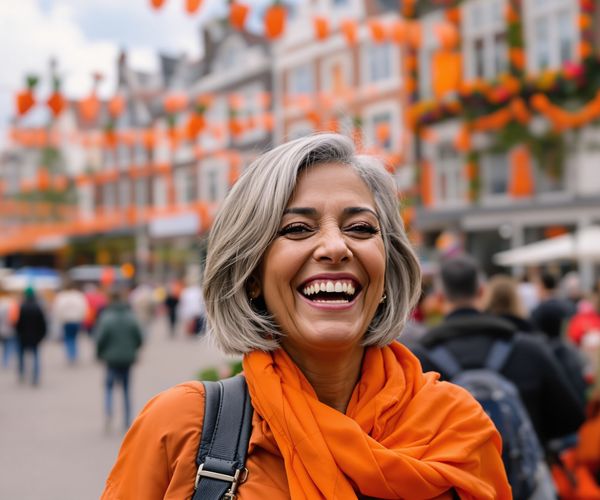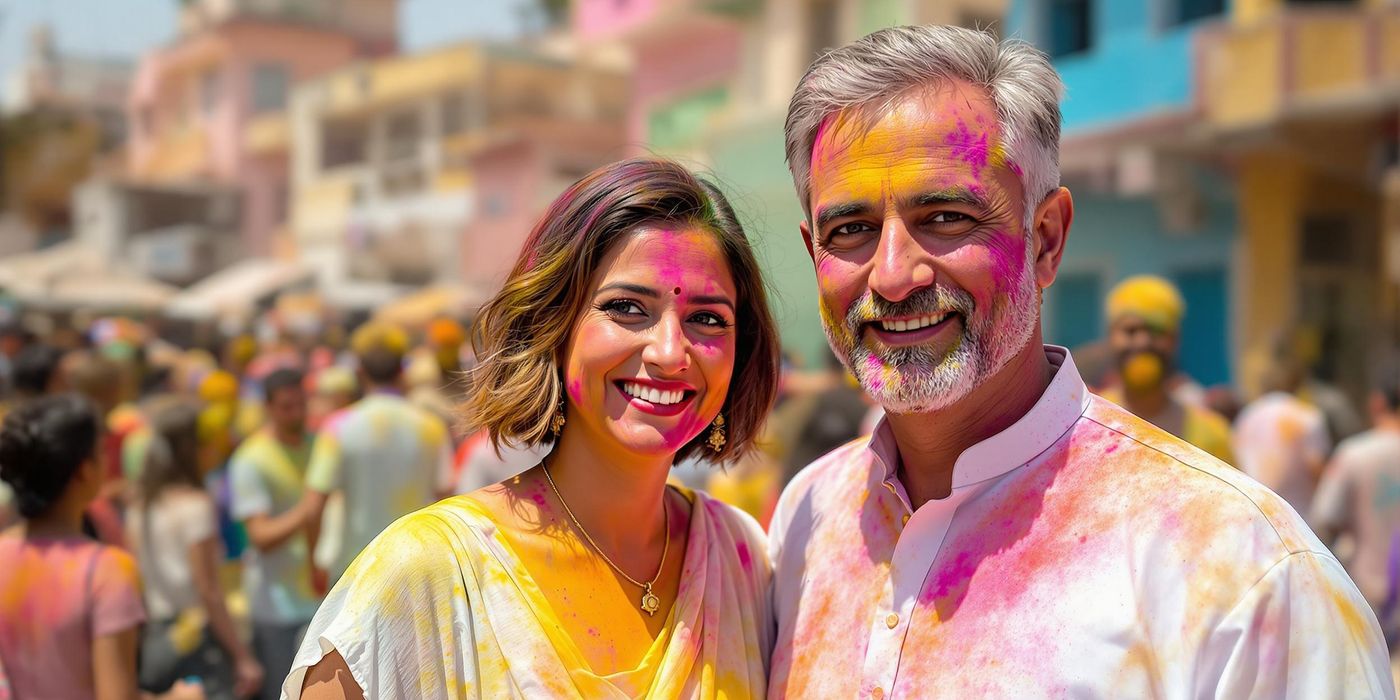
As a Saudi Arabian woman living in the Netherlands, I've come to appreciate the beauty and diversity of cultures around the world. One of the most enriching ways to experience a culture is through its festivals. These vibrant celebrations offer a unique window into the traditions, history, and soul of a place.
The Allure of Cultural Festivals
Cultural festivals are more than just parties; they are immersive experiences that allow you to connect with a destination on a deeper level. They offer a sensory feast of sights, sounds, tastes, and smells that can be truly transformative. Whether it's the rhythmic beats of samba at Rio Carnival or the vibrant colors of Holi in India, each festival has its own unique charm and appeal.
For me, experiencing different cultures through their celebrations has been incredibly rewarding. It has broadened my understanding of the world and challenged my perspectives. It has also taught me the importance of embracing diversity and celebrating our shared humanity.
Festivals as Guardians of Heritage
Festivals play a crucial role in preserving cultural heritage. They act as living archives, passing down traditions, music, dance, art, language, and rituals through generations. These celebrations are vital for maintaining cultural identity in an increasingly globalized world.
Consider Diwali, the Festival of Lights in India, which celebrates the victory of good over evil and the arrival of new beginnings. Or Lunar New Year, celebrated across many Asian countries, which marks the start of the lunar calendar with family reunions, traditional foods, and vibrant parades. Bihu in Assam, India, celebrates the agricultural cycle, while Onam in Kerala, India, honors the homecoming of the legendary King Mahabali. These festivals are not just historical reenactments; they are vibrant, living traditions that continue to shape communities today.
Community Bonding Through Celebration
Beyond preserving heritage, festivals foster a sense of community and belonging. They bring people together, transcending social and economic barriers. They provide opportunities for people to connect, share stories, and celebrate their shared identity.
Hastings, a town in the UK, celebrates Hastings Cultural Connect Week, a showcase of different cultures from around the world. Malawi hosts the Malawi Music Sand Festival, which brings people together through a shared love of music. These events strengthen community bonds and promote understanding between different groups.
Intergenerational participation is key to the success of these celebrations. Elders pass down customs and stories to younger generations, ensuring that traditions are kept alive. This creates a sense of continuity and connection to the past.
A Global Tapestry: Spotlight on Diverse Festivals
The world is full of amazing cultural festivals, each with its own unique character and traditions. Here are just a few examples:
- Rio Carnival (Brazil): A vibrant celebration of samba, music, and color, drawing millions of visitors each year.
- Holi (India): The Festival of Colors, celebrating the arrival of spring and the triumph of good over evil. Participants throw colored powder and water at each other, creating a joyful and chaotic atmosphere.
- Songkran (Thailand): Thailand’s Water Festival, celebrating the traditional Thai New Year. People splash water on each other as a symbol of cleansing and renewal.
- Día de los Muertos (Mexico): A vibrant and life-affirming festival honoring deceased loved ones. Families build altars, decorate graves, and share stories and memories of those who have passed away.
- Cherry Blossom Festival (South Korea): A celebration of the fleeting beauty of cherry blossoms and Korean culture. People gather in parks to picnic under the blossoming trees and enjoy traditional performances.
- Thimphu Tshechu (Bhutan): A religious festival with masked dances and ancient rituals. Monks perform elaborate dances to ward off evil spirits and bring blessings to the community.
Respectful Participation: A Traveler's Guide
If you're planning to attend a cultural festival, it's important to do so respectfully. Here are some tips to keep in mind:
- Learn about the festival's history, meaning, and traditions before attending. This will help you understand the significance of the event and avoid making any cultural faux pas.
- Dress appropriately. Some festivals have specific dress codes, so be sure to research this in advance.
- Be mindful of your behavior. Avoid being loud or disruptive, and be respectful of local customs.
- Engage with the local community. Talk to people, ask questions, and show genuine interest in their culture.
- Avoid cultural appropriation. Don't wear traditional clothing or accessories if you don't understand their significance.
- Be mindful of personal space and boundaries. Different cultures have different norms regarding personal space, so be aware of this and adjust your behavior accordingly.
- Be open-minded and avoid judgement. Remember that you are a guest in someone else's culture, so be respectful of their beliefs and values.
- Seek permission before taking photos. Not everyone is comfortable being photographed, so always ask for permission first.
- Support local businesses and artisans. This is a great way to give back to the community and help preserve local traditions.
The Future of Cultural Festivals
Cultural festivals are constantly evolving in the modern world. Technology and social media are playing an increasingly important role in promoting and preserving these celebrations. Festivals are now being streamed online, allowing people from all over the world to participate virtually. Social media platforms are also being used to share information and stories about festivals, raising awareness and promoting cultural understanding.
It's important to support sustainable and responsible tourism practices to ensure the longevity of these events. This means being mindful of the environmental impact of festivals and supporting local communities. It also means promoting ethical tourism practices that respect the rights and dignity of local people.
In an increasingly interconnected world, festivals can continue to foster cultural understanding and exchange. They provide opportunities for people to connect with different cultures, learn about new perspectives, and build bridges of understanding.
Discover the joy of cultural festivals and how they offer a unique window into the traditions and heritage of a destination.