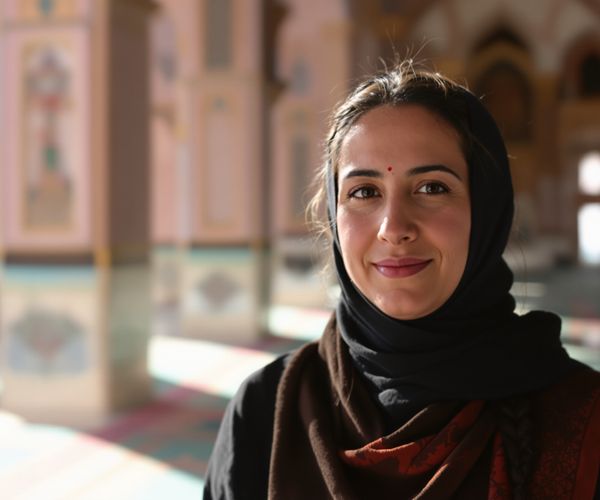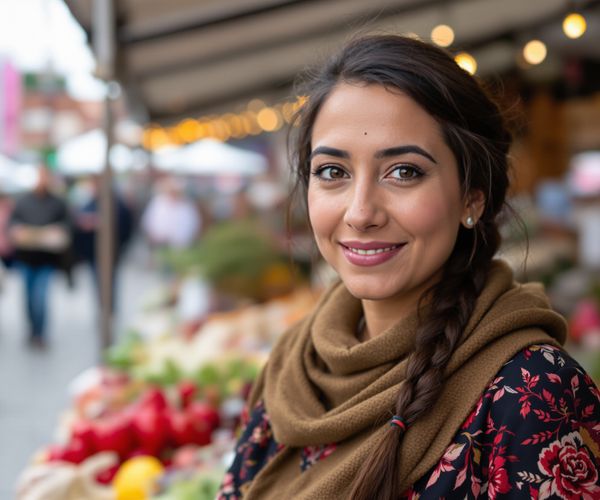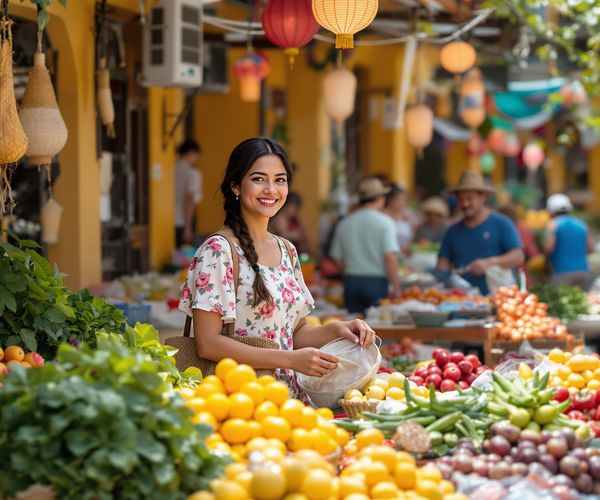
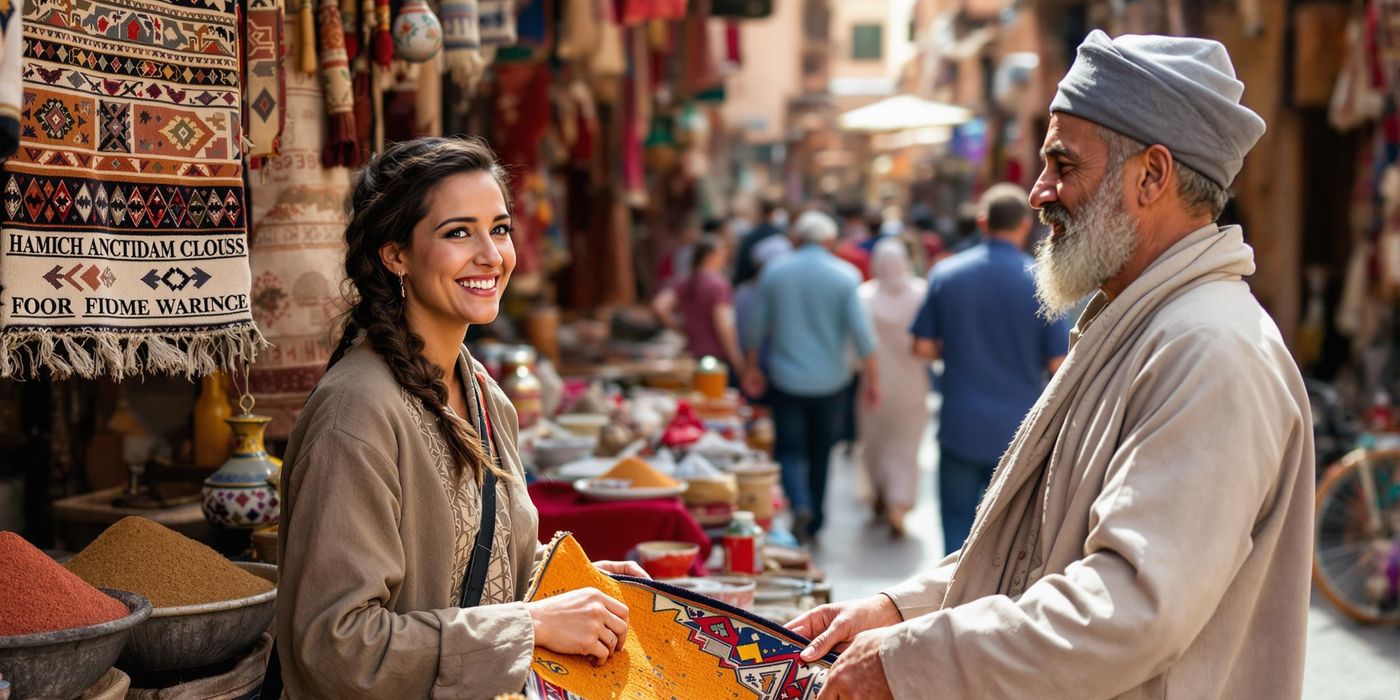
From the bustling markets of Marrakech to the serene temples of Kyoto, the world is a tapestry woven with diverse cultures and traditions. As a traveler, I've learned that the key to unlocking truly enriching experiences lies in embracing cultural sensitivity. It's about more than just being polite; it's about fostering genuine connections with the people who call these places home.
Understanding Cultural Sensitivity
Cultural sensitivity, in the context of travel, means being aware of and respecting the customs, traditions, and values of the local people. It’s about recognizing that our own cultural norms are not universal and that what might be acceptable in one place could be offensive in another. It's about approaching each interaction with empathy and a willingness to learn.
Respecting local customs and traditions is paramount. This could mean dressing modestly when visiting religious sites, avoiding loud or disruptive behavior in public places, or simply being mindful of local etiquette. Actions that may seem harmless to us can sometimes be deeply offensive or inappropriate in other cultures. For example, in some countries, pointing with your finger is considered rude, while in others, direct eye contact is seen as a sign of disrespect.
Why does cultural sensitivity matter? Because it transforms travel from a superficial sightseeing tour into a meaningful exchange. It opens doors to authentic experiences, allows you to connect with locals on a deeper level, and enriches your understanding of the world.
Research and Preparation Before Your Trip
The journey to cultural sensitivity begins long before you pack your bags. Thorough research and preparation are essential for a respectful and rewarding travel experience. I always make it a point to learn about the local customs, traditions, and etiquette of my destination before I even book my flight.
This includes studying the country's laws, cultures, customs, political climate, and religious practices. Understanding these aspects can help you navigate unfamiliar situations with grace and avoid unintentional faux pas. For instance, knowing that certain gestures are considered offensive in a particular country can save you from embarrassment and potentially strained interactions.
It's also helpful to research everyday tips, such as how people greet each other, whether you should leave tips when eating out, and whether shoes should be removed in homes. Dining etiquette varies widely around the world; understanding the proper use of cutlery or chopstick etiquette can show respect for local customs.
And, of course, learning a few key phrases in the local language can go a long way in demonstrating your willingness to connect with the people you meet. Even a simple “hello” or “thank you” can make a positive impression.
Respectful Communication and Interaction
Effective communication is at the heart of cultural sensitivity. It’s not just about the words you use, but also how you use them. Being mindful of language and body language can help you avoid misunderstandings and build rapport with locals.
Communicate clearly and carefully, especially when there is a language barrier. Speak slowly and avoid using slang or idioms that might not be easily understood. Be patient and willing to repeat yourself if necessary. Approaching people in a friendly, non-threatening, and non-judgmental way can help put them at ease and encourage open communication.
Asking culturally sensitive questions and listening attentively to the responses is crucial. Show genuine interest in learning about their culture and perspectives. However, be mindful of asking questions that might be considered too personal or intrusive.
In places where language is a barrier, non-verbal communication becomes crucial. Pay attention to your body language, facial expressions, and gestures. A smile, a nod, or a simple gesture of goodwill can often bridge the gap when words fail.
Engaging with Local Communities
One of the most rewarding aspects of travel is the opportunity to engage with local communities and experience their culture firsthand. There are many ways to do this, from attending local festivals to supporting local businesses.
Attending local festivals, concerts, or sporting events can provide a glimpse into the heart and soul of a community. Participating in traditional activities and cultural exchanges allows you to learn about local customs and traditions in a fun and interactive way. I once participated in a traditional tea ceremony in Japan, and it was an experience I will never forget.
Supporting local businesses and artisans is another way to give back to the community and ensure that your tourism dollars are benefiting the people who live there. Visit local markets instead of malls, and buy souvenirs from local artisans rather than mass-produced tourist shops.
Consider joining local activities or classes, such as cooking workshops or yoga classes. These experiences not only allow you to learn new skills but also provide opportunities to connect with locals who share your interests.
Seeking out opportunities for meaningful cultural exchange is key. This could involve volunteering with a local organization, staying with a host family, or simply striking up conversations with people you meet along the way.
Responsible Behavior and Ethical Choices
As travelers, we have a responsibility to minimize our impact on the local environment and culture. This means making responsible choices that respect the people, places, and wildlife we encounter.
Dressing appropriately and modestly, especially at religious and cultural sites, is a sign of respect. Seeking permission before taking photos of people or sacred sites is also essential. Avoid buying souvenirs that may harm the local culture or environment, such as items made from endangered species.
Practicing responsible tourism means respecting the environment and wildlife. Avoid littering, stay on marked trails, and do not disturb animals in their natural habitat. Support eco-friendly accommodations and tour operators that are committed to sustainable practices.
Leaving no trace is a simple but powerful way to minimize your impact. Pack out everything you pack in, and leave the environment as you found it. By making responsible choices, we can help ensure that future generations will be able to enjoy the same experiences we have.
Embracing Diversity and Overcoming Cultural Barriers
The world is a diverse place, and each culture has its own unique perspectives and values. Approaching each culture with empathy and an open mind is essential for overcoming cultural barriers and building bridges of understanding.
Avoid stereotypes and assumptions. Remember that every individual is different, and you cannot judge an entire culture based on the actions of a few people. Be open-minded and curious about different perspectives. Ask questions politely and listen attentively to the responses.
Recognizing that your cultural norms are not universal allows you to appreciate differences without judgment. What might seem strange or unfamiliar to you is simply a different way of doing things. By embracing diversity, we can learn from each other and expand our understanding of the world.
Personal Anecdotes and Experiences
I remember once traveling to a small village in the mountains of Peru. I had made an effort to learn some basic Spanish phrases before my trip, and I was eager to put them to use. One day, I was walking through the village when I saw an elderly woman sitting outside her home, weaving a colorful tapestry. I approached her and, in my best Spanish, asked if I could watch her work.
She smiled and invited me to sit beside her. As she worked, she told me about the history of her village and the traditions that had been passed down through generations. I listened intently, asking questions and showing genuine interest in her stories. By the end of our conversation, I felt a deep connection with her and a profound appreciation for the culture of her village.
This experience taught me the power of cultural sensitivity and the importance of connecting with locals. It was a reminder that travel is not just about seeing new places, but also about building relationships and learning from different ways of life. It's these kinds of authentic interactions that make travel so rewarding and transformative.
Explore the importance of cultural sensitivity and learn practical tips for connecting with locals during your travels. Discover how respecting customs can lead to richer experiences.