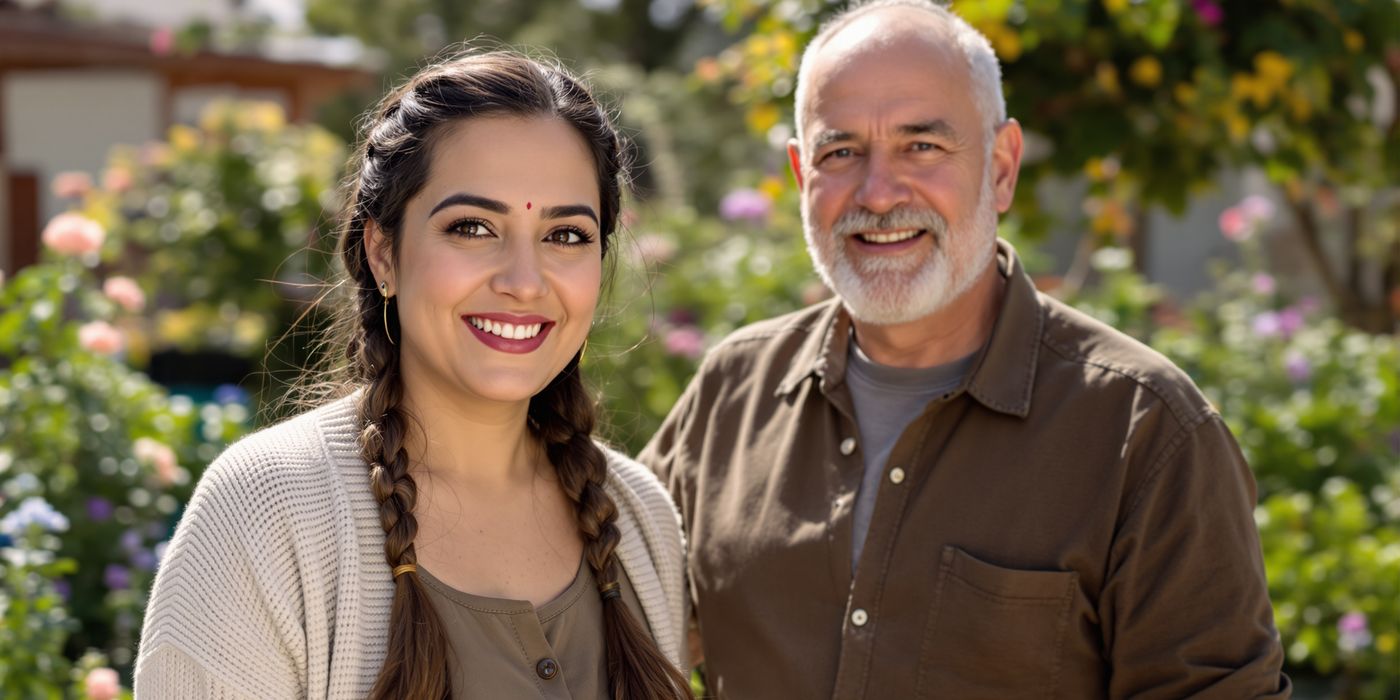
The scent of damp earth, the vibrant green of new shoots, the quiet satisfaction of nurturing life – these are sensations that transcend borders and cultures. For me, gardening is more than just a hobby; it's a connection to my roots, a bridge to new communities, and a way to understand the world around me. Join me, as I explore how gardening can be a universal language that enriches our travels and fosters meaningful connections.
A Shared Love for Green Spaces
Whether you're in the heart of a bustling city or a remote village, the allure of a green space remains constant. Gardening, in its essence, is a deeply human activity. It doesn't matter if you're tending a sprawling estate or a small balcony garden; the act of cultivating life from the soil resonates with something primal within us all.
Having grown up in Bamyan, Afghanistan, gardening was an integral part of our lives. Even now, living in Potsdam, Germany, I find solace and a sense of belonging in my garden. I grow herbs and vegetables that remind me of home – flavors and scents that transport me back to the valleys of my homeland. It's a tangible connection to my past, a way to share my culture with my family, Hans and Leila, and a reminder of the enduring power of nature.
Gardening offers a unique blend of peace, accomplishment, and connection. It's a chance to disconnect from the digital world and reconnect with the earth. The simple act of planting a seed and watching it grow is incredibly rewarding, offering a sense of hope and renewal.
Community Gardens: A Fertile Ground for Cultural Exchange
During our travels, Hans, Leila, and I have discovered that community gardens are vibrant hubs for intercultural dialogue and community building. These shared spaces offer a unique opportunity to work alongside locals, learn about their traditions, and share our own experiences.
In one memorable instance, while visiting a small town in Italy, we participated in a community gardening project focused on preserving heirloom tomato varieties. We worked alongside Italian families, learning about their unique gardening techniques and the stories behind each tomato. In turn, I shared some Afghan gardening tips, like companion planting with specific herbs to deter pests. The exchange was enriching, fostering a sense of camaraderie and mutual respect.
Community gardens break down barriers. They create a space where people from diverse backgrounds can come together, share their knowledge, and build lasting relationships. It's a beautiful example of how a shared love for gardening can cultivate understanding and bridge cultural gaps.
Botanical Gardens: Windows to the World's Flora and Culture
Botanical gardens are more than just collections of plants; they are living museums that showcase the incredible diversity of the world's flora and its cultural significance. They play a crucial role in preserving plant species, educating the public, and promoting cultural understanding.
We make it a point to visit botanical gardens whenever we travel. In Singapore's Gardens by the Bay, we marveled at the futuristic Supertrees and learned about sustainable urban gardening. In the Kirstenbosch National Botanical Garden in Cape Town, South Africa, we discovered the unique flora of the Cape Floral Region and its importance to the local culture. Each visit sparks conversations about the cultural significance of plants in different societies – from medicinal uses to culinary traditions and spiritual beliefs.
Botanical gardens are invaluable resources for understanding the interconnectedness of nature and culture. They offer a glimpse into the rich tapestry of human history and our relationship with the plant kingdom.
The Language of Indigenous Plants
Ethnobotany, the study of the relationship between people and plants, reveals how indigenous plants are deeply intertwined with the cultural heritage and traditional knowledge of local communities. These plants are not merely resources; they are integral to a community's identity, spirituality, and way of life.
In Afghan cuisine, for example, plants like coriander, mint, and saffron are not just flavor enhancers; they hold cultural significance. Coriander is believed to bring good luck, mint is used in traditional teas to aid digestion, and saffron, the world's most expensive spice, is a symbol of prosperity and celebration. Similarly, certain plants are used in traditional Afghan medicine to treat various ailments, passed down through generations.
I encourage everyone to learn about the indigenous plants in their own regions and their connection to local cultures. Understanding the stories behind these plants can provide a deeper appreciation for the natural world and the communities that depend on them. Whether it's through local parks, community gardens, or even online resources, there are countless ways to discover the fascinating world of ethnobotany.
Tips for Connecting Through Gardening During Your Travels
Ready to get your hands dirty and connect with local communities through gardening? Here are a few tips to get you started:
- Volunteer at community gardens or organic farms: Many organizations offer opportunities to volunteer in gardening projects around the world. This is a fantastic way to work alongside locals, learn about their techniques, and contribute to a sustainable food system.
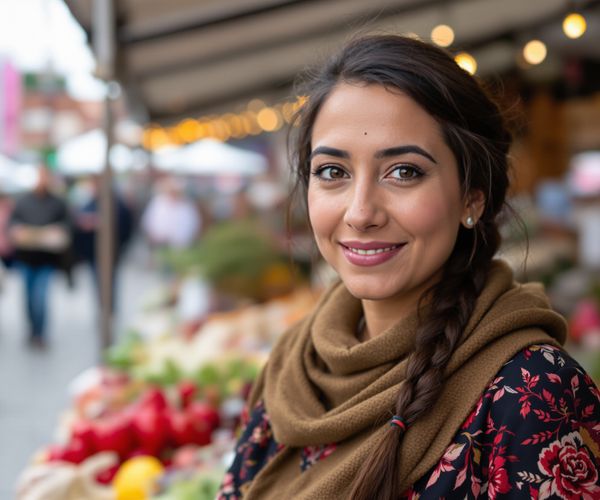
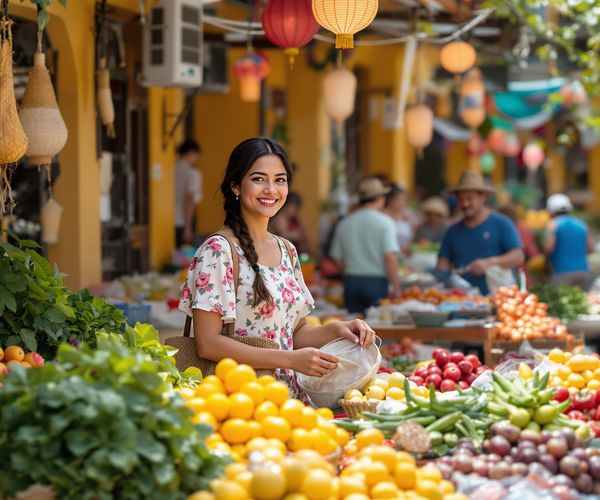
- Visit local markets and nurseries: Explore the vibrant displays of regional plants and gardening supplies. Chat with vendors and learn about the best plants for the local climate and soil conditions.
- Engage with locals and learn about their traditional plant knowledge: Ask about the uses of indigenous plants in cooking, medicine, and crafts. Show genuine interest in their traditions and be respectful of their knowledge.
- Consider WWOOF (World Wide Opportunities on Organic Farms) and HelpX: These platforms connect travelers with organic farms and other sustainable projects around the world, offering opportunities to live and work in exchange for room and board.
Gardening is a powerful tool for cultural exchange and connection. By embracing the shared love for green spaces, we can cultivate understanding, build bridges, and enrich our travel experiences in meaningful ways. So, pack your gardening gloves and get ready to connect with the world, one seed at a time!
Explore how shared gardening practices can connect you with local communities and cultures during your travels.