The Essence of Intercultural Dialogue
Intercultural dialogue is essentially a meaningful exchange of views between people from different cultural backgrounds. It's about more than just surface-level interactions; it's about delving into each other's values, beliefs, and perspectives. In our increasingly interconnected world, this kind of dialogue is more critical than ever. Travel provides a unique and immersive platform for fostering it.
Growing up in Afghanistan and later adapting to life in Germany has given me firsthand insight into the importance of empathy, open-mindedness, and respect in intercultural exchanges. These aren't just buzzwords; they are the cornerstones of successful communication and understanding. When we approach new cultures with a willingness to learn and understand, we open ourselves up to transformative experiences.
The benefits of engaging in cross-cultural experiences are vast. They range from increased adaptability and improved communication skills to broader horizons and a deeper appreciation for diversity. By stepping outside our comfort zones, we challenge our preconceived notions and expand our understanding of the world and our place in it.
Planning for Meaningful Interactions
Meaningful intercultural dialogue doesn't happen by accident; it requires thoughtful planning and preparation. Before embarking on a journey, it’s crucial to research your destination's culture, customs, and traditions. Understanding the local context sets the stage for respectful and enriching interactions.
One of the most practical steps you can take is to learn basic phrases in the local language. Even a simple “hello” or “thank you” can go a long way in showing respect and willingness to connect. Additionally, familiarizing yourself with local etiquette, such as dining customs or dress codes, can help you navigate social situations with grace and avoid unintentional offense.
It’s also important to be aware of your own biases and preconceived notions. We all carry stereotypes, often unconsciously, and recognizing them is the first step in overcoming them. Approach each new interaction with an open mind and a willingness to challenge your assumptions.
Finally, consider planning your travel around local religious holidays and festivals. Participating in these events can provide invaluable insights into the local culture and offer opportunities to connect with people on a deeper level. Remember to always be respectful and mindful of the cultural significance of these occasions.
Engaging with Local Communities
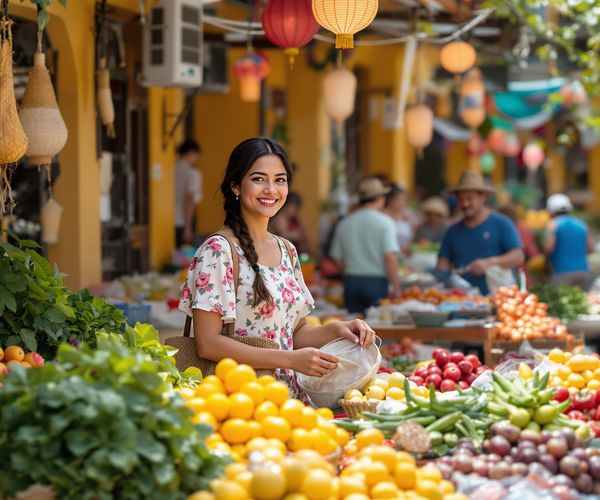
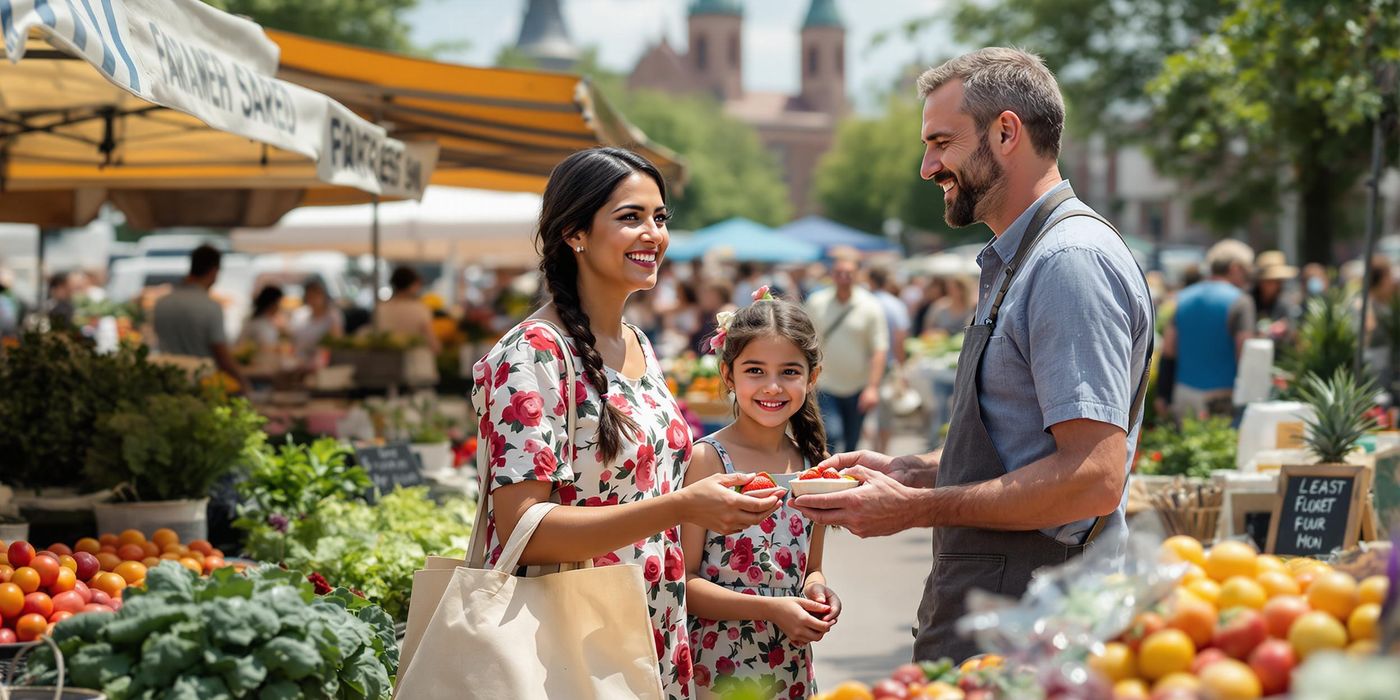
One of the most rewarding aspects of travel is the opportunity to engage with local communities. Rather than just being a tourist, strive to be a participant in the local culture. This can involve attending local events, festivals, and community activities. These experiences offer a glimpse into the daily lives of the people who call that place home.
Supporting local businesses and artisans is another way to connect with the community and contribute to its economic well-being. Whether it's buying handmade crafts or dining at family-owned restaurants, your choices can make a positive impact. Be mindful of your consumer habits and seek out opportunities to support sustainable and ethical businesses.
Respecting local dress codes and social norms is essential for showing cultural sensitivity. Pay attention to how locals dress and behave, and adapt your own behavior accordingly. This demonstrates respect and a willingness to integrate, even if temporarily, into the local culture.
Initiating conversations with locals can be as simple as asking for directions or complimenting someone on their craftsmanship. Be approachable, friendly, and genuinely interested in learning about their lives and experiences. These small interactions can often lead to meaningful connections and lasting memories.
Always remember to practice responsible tourism. This means minimizing your environmental impact, respecting local wildlife, and avoiding activities that exploit or harm the local community. By being a responsible traveler, you can ensure that your visit has a positive impact on both the environment and the people who live there.
Overcoming Communication Barriers
Communication is key to any successful intercultural exchange, but it can also be one of the biggest challenges. Language differences, non-verbal cues, and cultural nuances can all create barriers to effective communication. However, with patience, understanding, and a few strategic approaches, these barriers can be overcome.
Active listening is a crucial skill in intercultural communication. Pay close attention to what the other person is saying, both verbally and non-verbally. Ask clarifying questions to ensure that you understand their meaning, and be mindful of your own body language and tone of voice. Clear articulation is equally important. Speak slowly and clearly, and avoid using slang or jargon that may not be understood by someone from a different cultural background.
It's important to be patient and understanding when encountering communication difficulties. Misunderstandings are inevitable, but they can be opportunities for learning and growth. Rather than getting frustrated, approach these situations with a sense of curiosity and a willingness to find common ground.
Don't be afraid to ask culturally sensitive questions. Showing genuine interest in someone's culture is often appreciated, but it's important to be mindful of the way you phrase your questions. Avoid making assumptions or generalizations, and be respectful of personal boundaries. Similarly, don't hesitate to admit when you don't know something about a culture. This shows humility and a willingness to learn.
Storytelling can be a powerful tool for connecting with people from different backgrounds. Sharing personal anecdotes and experiences can help bridge cultural gaps and create a sense of shared humanity. Listen to the stories of others with an open heart and mind, and be willing to share your own in return.
Reflecting on Experiences and Sharing Insights
The journey doesn't end when you return home. It's important to take time to reflect on your experiences and share your insights with others. This process of reflection can deepen your understanding of yourself and the world around you, and it can also inspire others to embark on their own intercultural adventures.
Consider using social media and other platforms to promote intercultural understanding. Share your travel stories, photos, and videos, and use them as opportunities to educate and inspire others. Engage in conversations with people from different backgrounds, and challenge stereotypes and misconceptions.
Continue to learn and grow after your trip is over. Read books, watch documentaries, and take online courses to deepen your understanding of different cultures. Stay connected with the people you met on your travels, and continue to cultivate those relationships.
Travel experiences can lead to profound personal transformation. By stepping outside your comfort zone and engaging with different cultures, you can develop a greater appreciation for diversity, a stronger sense of empathy, and a deeper understanding of yourself. Embrace these changes and use them to make a positive impact on the world.
Ultimately, intercultural dialogue is a tool for building bridges and fostering peace. By promoting understanding and respect between cultures, we can create a more just and equitable world for all. Let us all strive to be ambassadors of intercultural understanding, wherever our travels may take us.
Explore how travel can be a powerful tool for fostering intercultural dialogue and understanding. Discover practical tips for engaging with local communities and overcoming communication barriers.