
Understanding Your Travel Footprint as a Family
What exactly is a carbon footprint when it comes to family travel? Simply put, it's the total amount of greenhouse gases generated by our travel-related activities. These gases contribute to climate change, impacting everything from rising sea levels to extreme weather events. For families, the main culprits are often flights, accommodation, transportation, and the activities we engage in.
I remember when the penny dropped for us. We were planning a trip back to Bamyan, and the sheer number of connecting flights needed made us pause. We started researching the carbon emissions associated with air travel and were shocked. That's when we decided to make a change. There are online tools and resources available that can help you calculate your family's travel footprint. Websites like Carbon Footprint Ltd. offer calculators that take into account flights, accommodation, and other factors, providing a clearer picture of your impact.
Eco-Friendly Transportation Choices for Families
While flying is often the quickest way to reach far-flung destinations, it's also one of the most carbon-intensive. Whenever possible, we now opt for alternatives, especially for shorter distances. Train travel, particularly within Europe, is a fantastic option. It's comfortable, scenic, and allows you to avoid airport hassles. The kids love being able to move around, play games, and watch the world go by.
When flying is unavoidable, there are still ways to minimize your impact. Choose direct flights, as take-offs and landings consume the most fuel. Flying economy also helps, as it means more passengers per flight. Pack light to reduce the plane's overall weight, and consider offsetting your carbon emissions through reputable programs that invest in environmental projects.
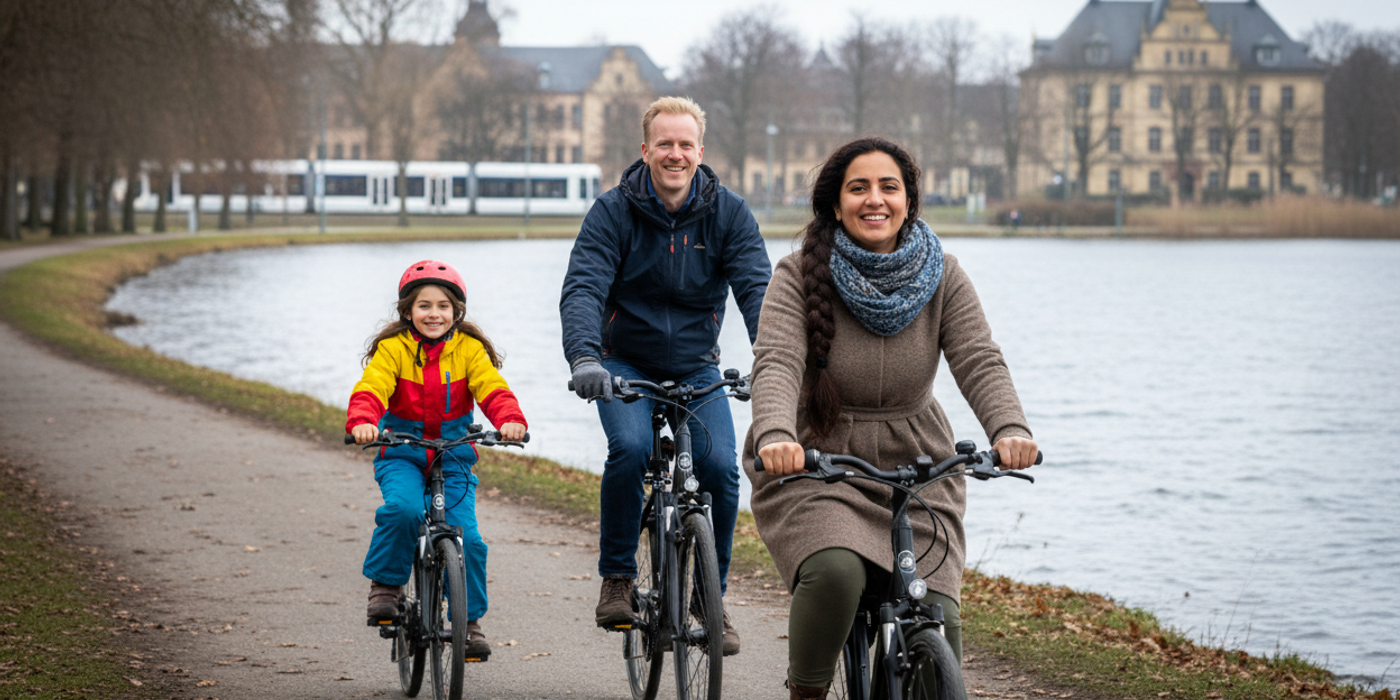
Exploring local transportation options is another great way to reduce your footprint. Public transport, cycling, and walking are all excellent choices. In Potsdam, we often cycle or use the tram to get around. For longer distances, electric vehicles and e-bikes are becoming increasingly accessible. We recently rented e-bikes for a day trip around the lakes near Potsdam, and it was a wonderful way to explore the area without contributing to air pollution.
Choosing Sustainable Accommodation
The environmental impact of our accommodation choices is often overlooked. Eco-certified hotels and accommodations are a great place to start. Look for certifications like LEED, Green Key, or EarthCheck, which indicate that the property meets certain environmental standards.
We also love staying in eco-lodges, agritourism farms, and community-based stays. These options often support local families and promote sustainable practices. They also offer a more authentic and immersive travel experience. When researching accommodations, look for sustainable practices such as energy and water conservation, waste management, and local sourcing.
One of our favorite eco-friendly stays was at an agritourism farm in Tuscany. The farm used solar energy, grew its own organic produce, and offered cooking classes using traditional methods. It was a truly enriching experience that taught us a lot about sustainable living.
Supporting Local Green Initiatives
Travel is about more than just seeing new places; it's about connecting with the local communities and supporting their economies. Choosing locally-owned hotels, family-run restaurants, and independent shops is a great way to do this.
We also try to participate in local initiatives whenever possible. This could involve volunteering for reforestation projects, attending community-led cultural programs, or supporting local schools. During a trip to Costa Rica, we spent a day planting trees as part of a reforestation project. It was a rewarding experience that allowed us to give back to the community and learn about the importance of conservation.
Engaging with local communities requires cultural sensitivity. It's important to be respectful of local customs and traditions and to avoid imposing your own values. Learning a few basic phrases in the local language can go a long way in building rapport and showing respect.
Practical Tips for Reducing Waste While Traveling
Reducing waste is an essential part of sustainable travel. Single-use plastics are a major environmental problem, so carrying reusable water bottles, shopping bags, and containers is crucial.
When packing, consider eco-friendly essentials such as bamboo toothbrushes, reef-safe sunscreen, and biodegradable toiletries. These small changes can make a big difference. We also try to reduce food waste by supporting restaurants that source locally and avoiding over-ordering. My Afghan cooking traditions have taught me the importance of resourcefulness and minimizing waste.
One of my go-to strategies for minimizing waste is to pack a small container of homemade spice blends. This allows me to add flavor to simple meals without relying on pre-packaged sauces or seasonings. I also bring a reusable cloth bag for shopping at local markets. These small habits help us reduce our environmental impact and connect with the local culture.
Learn how to minimize your environmental impact while exploring the world, with practical tips for eco-friendly travel.