As someone who journeyed from the heart of Afghanistan to build a life in Germany, I've always believed that food is more than just sustenance—it's a gateway to understanding different cultures and connecting with people on a deeper level. My travels with my family have reinforced this belief, and I've learned that experiencing global cuisine responsibly is not only enriching but also essential for preserving the traditions and economies of the places we visit. Join me as I share some insights on how to savor the world's flavors while making a positive impact.
Understanding Responsible Culinary Tourism
Responsible culinary tourism is about more than just enjoying a delicious meal; it's about being mindful of the impact our food choices have on local communities and the environment. It means making informed decisions that support sustainability, respect cultural traditions, and contribute to the well-being of the people who create the food we enjoy. When we travel, we have the opportunity to engage with local food cultures in a way that benefits everyone involved. This approach ensures that our culinary adventures leave a positive footprint, helping to preserve the unique flavors and traditions for future generations.
Choosing Local Eateries and Supporting Local Economies
One of the best ways to practice responsible culinary tourism is by seeking out authentic local restaurants and avoiding tourist traps. These establishments often offer a more genuine taste of the local cuisine and provide a direct economic benefit to the community. Look for restaurants that are popular with locals, as this is often a sign of authenticity and quality. Supporting small-scale farmers, producers, and family-run businesses is crucial. These businesses are the backbone of many local economies, and by dining at their establishments, we can contribute to their economic well-being.
Consider the 'We do local' business certification standard, which helps identify businesses committed to supporting their local economies. By choosing certified establishments, you can be confident that your money is going towards businesses that prioritize community development and sustainability.
Respecting Dietary Customs and Traditions
When exploring global cuisine, it's important to be mindful of local dining etiquette and traditions. Each culture has its own unique customs surrounding food, and respecting these traditions is a sign of cultural sensitivity. Before traveling, take some time to research the dining customs of the region you plan to visit. This might include understanding appropriate table manners, knowing when it's customary to use utensils versus eating with your hands, and being aware of any specific dining rituals.
Religious and cultural dietary restrictions are also essential to consider. Many cultures have specific rules about what foods can be consumed and how they should be prepared. Be sure to inquire about ingredients and preparation methods to ensure that your food choices align with these restrictions. It's also crucial to be honest about your own dietary requirements and allergies. This will help ensure that you can enjoy your meals safely and without causing offense. Open communication with restaurant staff is key to navigating dietary differences respectfully.
Sustainable Food Sourcing and Reducing Waste
Sustainable food sourcing is a critical aspect of responsible culinary tourism. Look for farm-to-table dining experiences that prioritize seasonal ingredients sourced from local farms. This not only supports local agriculture but also reduces the carbon emissions associated with transporting food over long distances. Understanding where your food comes from and how it's produced can help you make more informed and sustainable choices.
Minimizing food waste while traveling is another important consideration. Be mindful of portion sizes and avoid ordering more food than you can eat. If you have leftovers, consider taking them with you to enjoy later. Many establishments are happy to provide containers for this purpose. Additionally, look for establishments that display labels like Certified Humane, Fair Trade, or USDA Organic, as these certifications indicate a commitment to sustainable practices. By supporting businesses that prioritize sustainability, you can help promote more environmentally friendly food systems.
Embracing Plant-Based Options and Vegan Cuisine
Choosing plant-based meals is a simple yet powerful way to reduce your environmental impact while traveling. Plant-based diets have a significantly lower carbon footprint compared to diets that rely heavily on animal products. Exploring vegetarian and vegan restaurants and dishes in different cultures can be a delicious and eye-opening experience. Many cuisines around the world offer a wide variety of flavorful and satisfying plant-based options.
The availability of plant-based options for travelers is growing rapidly, with more and more restaurants and hotels catering to vegetarian and vegan diets. Platforms are emerging that highlight hotels with vegan and sustainable food options, making it easier for travelers to find accommodations that align with their values. By embracing plant-based cuisine, you can enjoy a diverse range of flavors while contributing to a more sustainable and compassionate world.
Engaging with Local Food Culture Through Experiences
One of the most rewarding ways to experience global cuisine responsibly is by actively engaging with local food culture through immersive experiences. Participating in cooking classes, food tours, and culinary festivals can provide a deeper understanding of the traditions and techniques behind the dishes you enjoy. These activities offer opportunities to connect with local chefs, food artisans, and other members of the community.
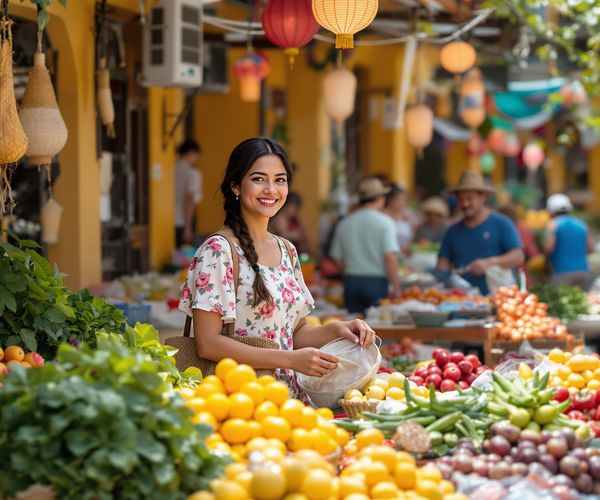
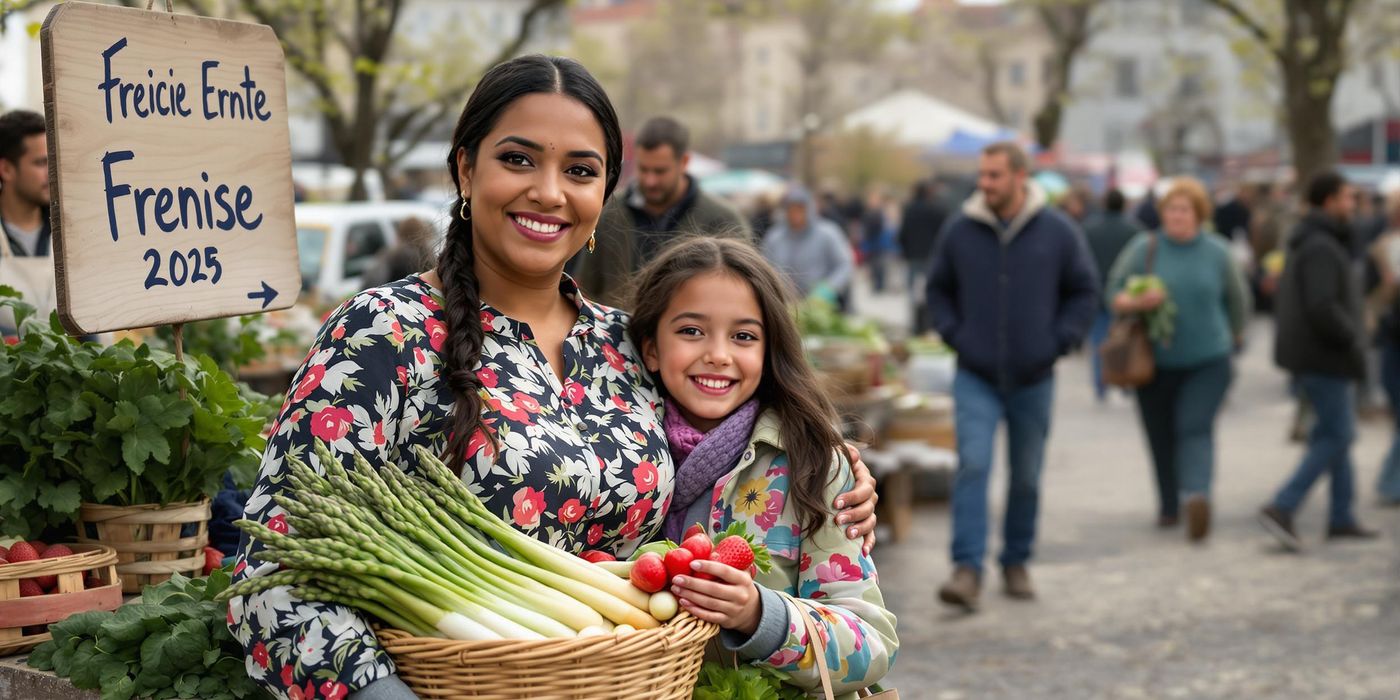
Visiting local markets is another fantastic way to learn about traditional ingredients and food preparation methods. Markets are vibrant hubs of local life, offering a glimpse into the everyday food culture of a place. Take the time to explore the stalls, sample local products, and chat with the vendors. Programs like Slow Food Travel promote sustainable culinary tourism by connecting travelers with local food producers and artisans. By participating in these experiences, you can support local economies, preserve cultural traditions, and create lasting memories.
Explore how to experience global cuisine responsibly, supporting local communities and respecting cultural traditions.