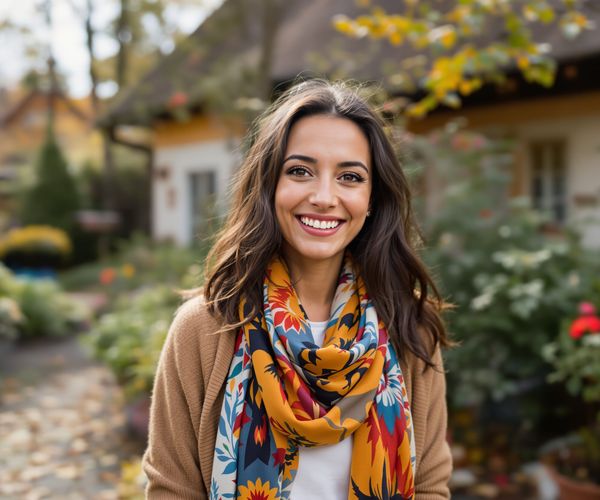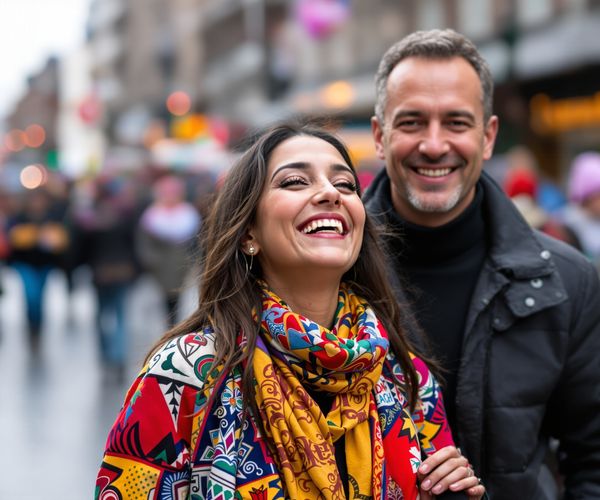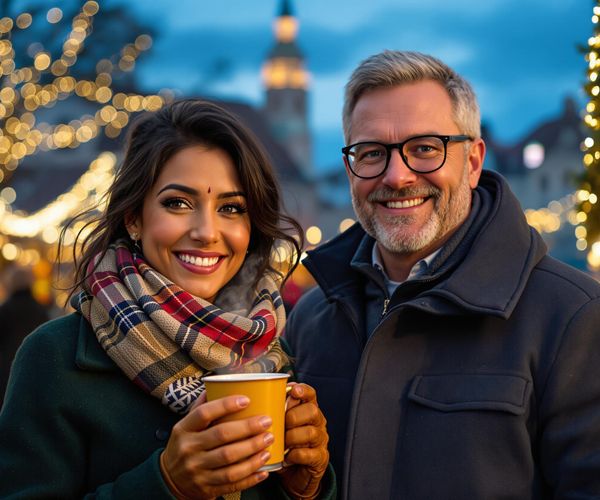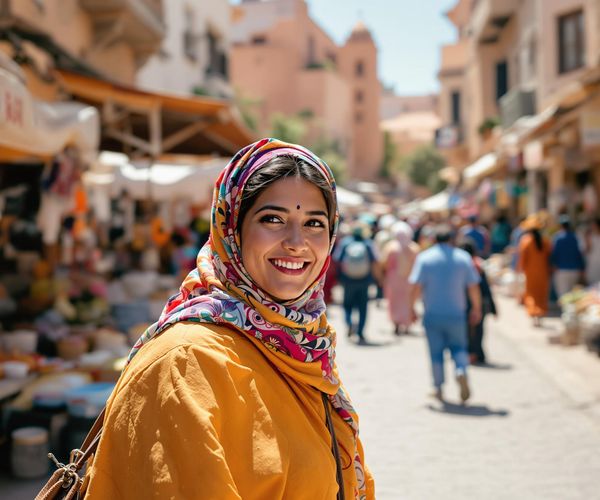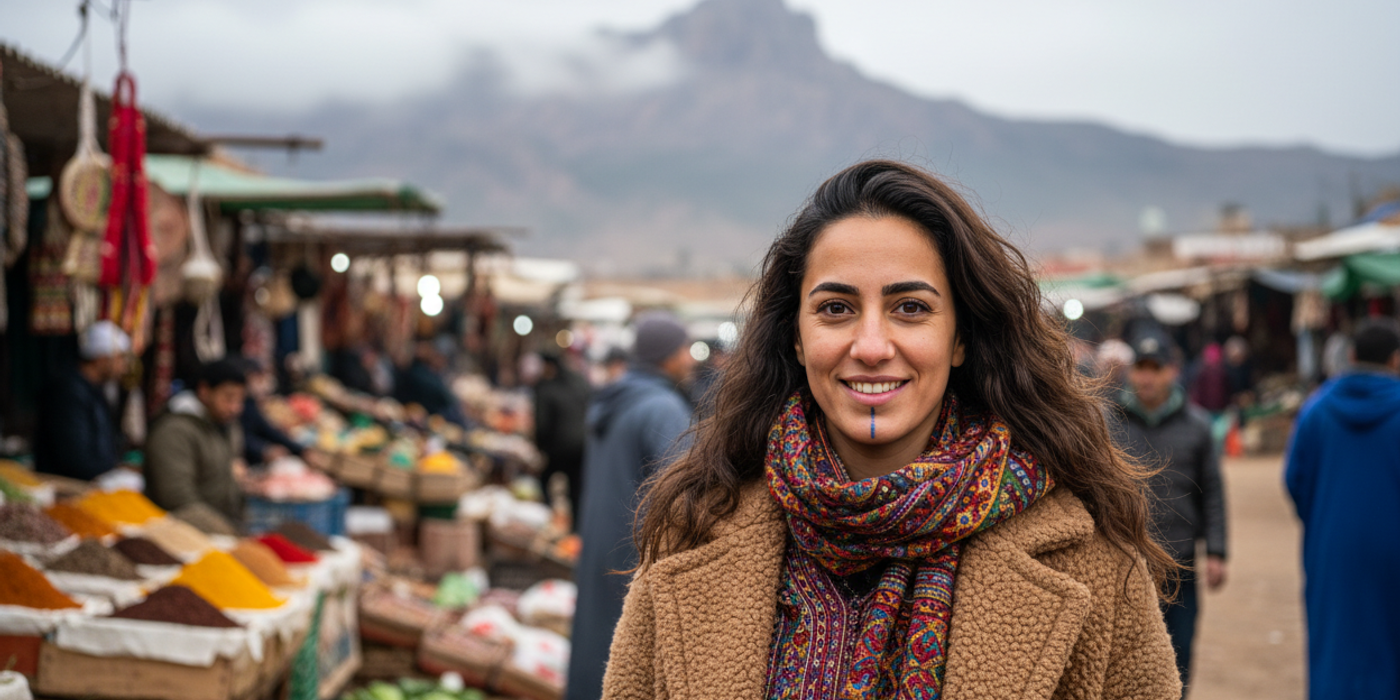
Ahlan wa Sahlan, fellow travelers! I'm Fatima Berrada, and like a vibrant Moroccan mosaic, my life is a blend of cultures. From the bustling souks of Azrou to the serene streets of Bonn, I've learned that travel is more than just seeing new places; it's about connecting with people, understanding their stories, and embracing the beauty of our diverse world. Join me as we explore how to respectfully immerse ourselves in different cultures, turning our journeys into enriching experiences for ourselves and the communities we visit.
Understanding Cultural Sensitivity
Cultural sensitivity, or taqdir al-thaqafat as we say in Arabic, is the cornerstone of meaningful travel. It's about being aware and respectful of the customs, beliefs, and values of the people you encounter. Think of it as entering someone's home – you wouldn't barge in and start rearranging furniture, would you? The same applies when visiting a new country. You're a guest, and your behavior should reflect that.
Why is this important? For travelers, cultural sensitivity unlocks doors to authentic experiences. When you show genuine interest and respect, locals are more likely to welcome you, share their traditions, and offer insights you wouldn't find in any guidebook. For local communities, it ensures that tourism is sustainable and beneficial, preserving their heritage and way of life.
Sustainable tourism thrives on mutual respect. It’s about ensuring that our travels benefit the places we visit, both economically and culturally. By being mindful of our impact, we contribute to preserving the unique identity of each destination for future generations.
Pre-Trip Preparation: Research and Learning
Before you even pack your bags, embark on a virtual journey! Researching your destination is like preparing the tagine – each ingredient adds depth and flavor. Learn about local customs, traditions, and etiquette. What's considered polite? What's taboo? Websites, travel blogs, and even documentaries can be invaluable resources.
Learning a few basic phrases in the local language can make a world of difference. Even a simple “Shukran” (thank you) or “Salam” (hello) shows that you're making an effort to connect. It's like offering a sprig of mint tea – a small gesture of hospitality that can lead to warm conversations and shared smiles.
Understanding local dress codes is equally important. In some cultures, modest clothing is expected, especially when visiting religious sites. Observe how locals dress and follow their lead. It’s a sign of respect and helps you blend in more seamlessly. Consulting travel blogs and guides can offer first-hand insights into the nuances of local culture. Look for personal stories and anecdotes that go beyond the surface level.
Respectful Interactions: During Your Travels
Once you arrive, pay attention to your body language and gestures. A thumbs-up, for example, which is positive in many western countries, is considered offensive in some parts of the Middle East. Be mindful of personal space and avoid overly enthusiastic displays of affection in public, as this can be seen as disrespectful in more conservative cultures.
When visiting sacred places, dress modestly, remove your shoes if required, and speak in hushed tones. Remember, these are places of worship and reflection, and your behavior should reflect that reverence. Always ask permission before taking photos of people or ceremonies. Some individuals may not want to be photographed for religious or personal reasons, and it’s important to respect their wishes.
Engaging with Local Communities
One of the most rewarding aspects of travel is connecting with local communities. Seek out opportunities to support local businesses and artisans. Buy handmade crafts, eat at family-run restaurants, and stay in locally owned guesthouses. Your money goes directly into the community, helping to sustain livelihoods and preserve traditional skills.
Participate in local festivals and celebrations, but do so respectfully. Observe the customs and traditions, and ask questions if you're unsure about something. It's a wonderful way to learn about the local culture and connect with people on a deeper level. Trying local cuisine is a must! But remember to respect dining etiquette. In some cultures, eating with your hands is customary, while in others, it's considered impolite. Do your research and follow the lead of your hosts.
Don't be afraid to strike up conversations with locals. Ask them about their lives, their traditions, and their perspectives. Share your own culture and experiences. It's through these exchanges that we build bridges and foster understanding. Every interaction is an opportunity to learn and grow.
Common Cultural Missteps and How to Avoid Them
Even with the best intentions, cultural missteps can happen. We're all human, and sometimes we make mistakes. The key is to be aware of common cultural offenses and learn how to handle misunderstandings with grace and humility. For example, assuming everyone speaks your language or making jokes about local customs can be offensive. Avoid using stereotypes or prejudices, as these can perpetuate harmful assumptions and misunderstandings.
If you do make a mistake, apologize sincerely and learn from it. A simple “Ana asif” (I'm sorry) can go a long way. Use the experience as an opportunity to educate yourself and become more culturally aware. Remember, it's okay to ask questions if you're unsure about something. Most people are happy to share their culture with you, as long as you're respectful and genuine.
The Benefits of Cultural Exchange
Cultural exchange is a two-way street. It's not just about learning about other cultures; it's also about sharing your own. By sharing our stories, our traditions, and our perspectives, we create a richer, more vibrant world for everyone. Immersing yourself in different cultures enriches your personal experiences in countless ways. It broadens your horizons, challenges your preconceived notions, and helps you see the world from a different perspective.
Cultural exchange builds bridges and fosters understanding between cultures. It promotes tolerance and respect for diversity, creating a more harmonious and interconnected world. It encourages empathy and compassion, helping us to see the humanity in others, regardless of their background or beliefs. As I always say in German, “Man lernt nie aus” – you never stop learning!
So, my friends, let us embrace the beauty of cultural diversity in our travels. Let us be mindful, respectful, and open-hearted. Let us learn from each other, share our stories, and build a world where everyone feels welcome and valued. Bis bald! Until next time!
Learn how to embrace cultural diversity during your travels with practical tips and personal anecdotes from Fatima Berrada. Discover the joys of cultural exchange and immerse yourself in diverse traditions.