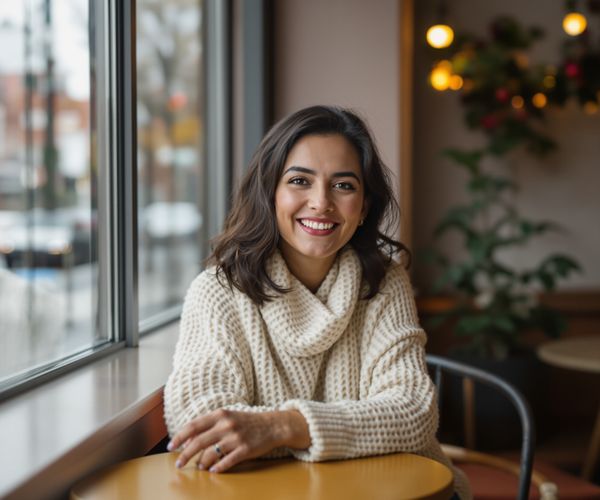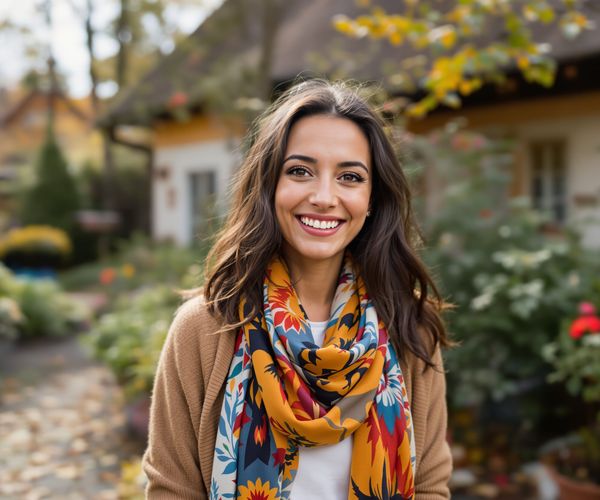
Hello, fellow travelers! Fatima here, ready to share some insights from my own adventures on how to navigate the often-tricky world of language barriers. As someone who moved from Morocco to Germany, I know firsthand the challenges and joys of communicating in a new language. So, grab a cup of mint tea (or Kaffee, if you're feeling German!) and let's dive in.
Embracing the Unknown: Why Language Matters on Your Travels
Why bother learning a few phrases when you can just point and smile? Well, while gestures can get you far, language is the key to unlocking a deeper, richer travel experience. It's about more than just ordering food or asking for directions; it's about connecting with people, understanding their stories, and truly immersing yourself in a different culture.
I remember when I first arrived in Germany. My German was… well, let's just say it was a work in progress. But even my clumsy attempts to order a 'Bratwurst' or ask 'Wo ist die Toilette?' were met with smiles and encouragement. People appreciated the effort, and it opened doors to conversations and experiences I wouldn't have had otherwise.
And then there was Morocco. Even though it’s my birth country I found that speaking even a little bit of the local dialect made people light up! It was like I was being welcomed back home with open arms! It wasn't just about the words; it was about showing respect and a genuine interest in their way of life.
Essential Phrases: Your Starter Pack for Linguistic Adventures
So, where do you start? Don't worry, you don't need to become fluent overnight. Just learning a few key phrases can make a huge difference. Here’s your essential starter pack:
- Greetings: Hello (Bonjour, Hola, Hallo)
- Thank you (Merci, Gracias, Danke)
- Please (S'il vous plaît, Por favor, Bitte)
- Excuse me (Excusez-moi, Con permiso, Entschuldigung)
- How much? (Combien coûte?, ¿Cuánto cuesta?, Wie viel kostet das?)
Pronunciation is key! Don't be afraid to ask locals to repeat phrases slowly, and don't worry about making mistakes. That's part of the fun! There are tons of great resources online, from language learning apps to YouTube tutorials, that can help you nail the pronunciation. I even found a great podcast that teaches German idioms – though some of them are still a bit baffling!
Beyond Words: The Art of Non-Verbal Communication
Communication isn't just about what you say; it's also about how you say it. Body language, gestures, and facial expressions can speak volumes, but it’s important to be aware of cultural differences. What's perfectly acceptable in one country might be considered rude in another.
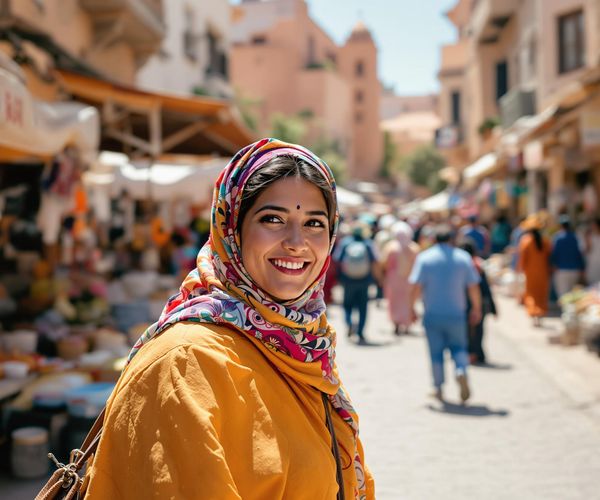
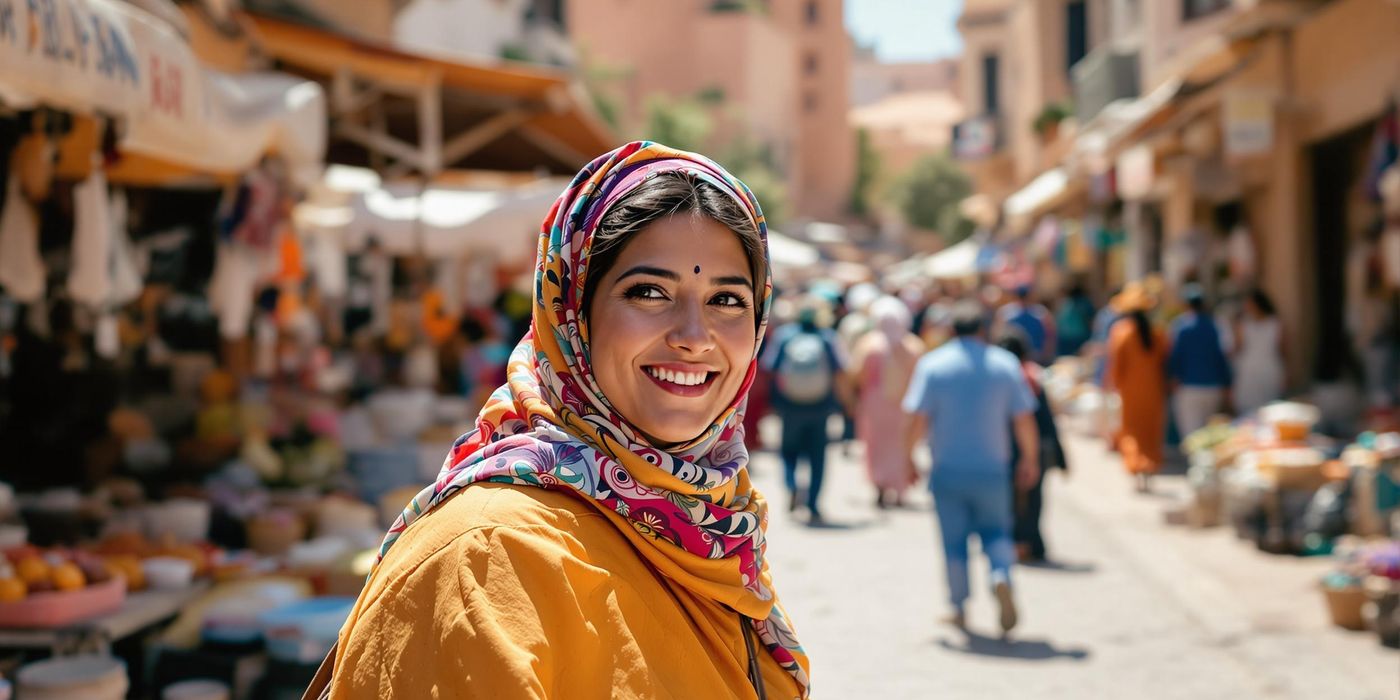
For example, in some cultures, direct eye contact is a sign of respect, while in others, it can be seen as aggressive. Hand gestures can also be tricky. The 'OK' sign, for instance, is considered offensive in some parts of the world. And personal space? Forget about it! What is considered an appropriate distance can vary wildly. I once accidentally bumped into someone in a crowded Moroccan market and received a friendly smile in return. I’m not sure I would have gotten the same reaction in Germany!
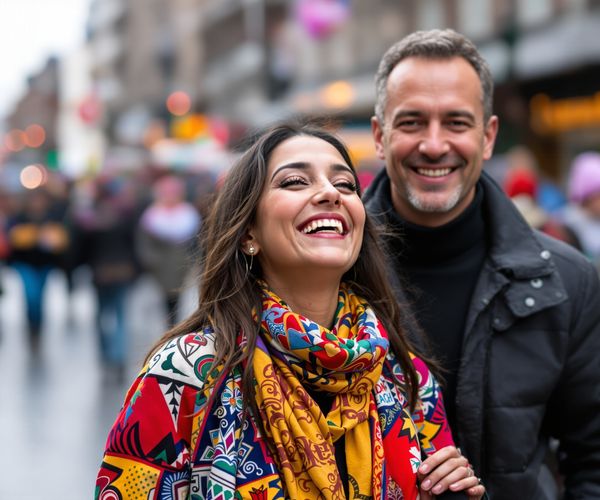
And let's not forget about dress code! Dressing appropriately for the occasion is a sign of respect. When visiting religious sites, for example, it's important to dress modestly. Also, be sure to check the dress code before attending any events! {image1}
Tech to the Rescue: Translation Apps and Gadgets
Thank goodness for technology! Translation apps have become an indispensable tool for travelers. Google Translate, Microsoft Translator, and iTranslate are all fantastic options that can help you communicate in real-time.
Of course, technology isn't a silver bullet. Translation apps can be incredibly helpful, but they're not always perfect. Sometimes the translations are a bit clunky, or they might miss the nuances of a conversation. And relying solely on technology can prevent you from truly engaging with the local culture.
It's always a good idea to have some offline translation options available, especially if you're traveling to areas with limited internet access. Download a language pack or invest in a pocket translator. And remember, even with the best technology, a little bit of politeness goes a long way. Don't forget to say 'Hello,' 'Please,' and 'Thank you' in the local language!
Making Connections: Tips for Communicating with Locals
So, you've learned a few phrases, you've downloaded a translation app, and you're ready to strike up a conversation with the locals. Here are a few tips to keep in mind:
- Speak slowly and clearly, using simple words.
- Use visual aids like maps and photos.
- Don't be afraid to ask for help from locals or fellow travelers. Most people are happy to lend a hand!
- Be respectful and patient. Language barriers can be frustrating, but it's important to remain calm and understanding.
- Maintain a positive attitude and a willingness to learn. A smile can go a long way!
And most importantly, show respect for the local language and customs. Even a simple phrase like 'Do you speak English?' in the local language can make a big difference. It shows that you're making an effort to connect and that you value their culture.
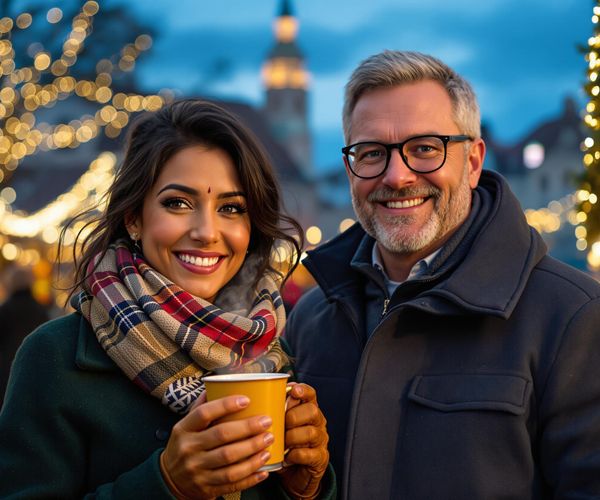
So there you have it – my tips for breaking the language barrier and making the most of your travels. Remember, it's not about being perfect; it's about being open, curious, and willing to connect with people from different backgrounds. Happy travels! {image2}
Learn how to navigate language differences when traveling, from learning key phrases to using translation apps effectively. I'm sharing insights from my own adventures on how to navigate the often-tricky world of language barriers.